When Is It Worth Replacing an Entire Fence?
Is your garden fence leaning, rotting or breaking apart? Learn when repairs are enough, when partial replacement makes sense and when installing an entirely new fence is worth considering.
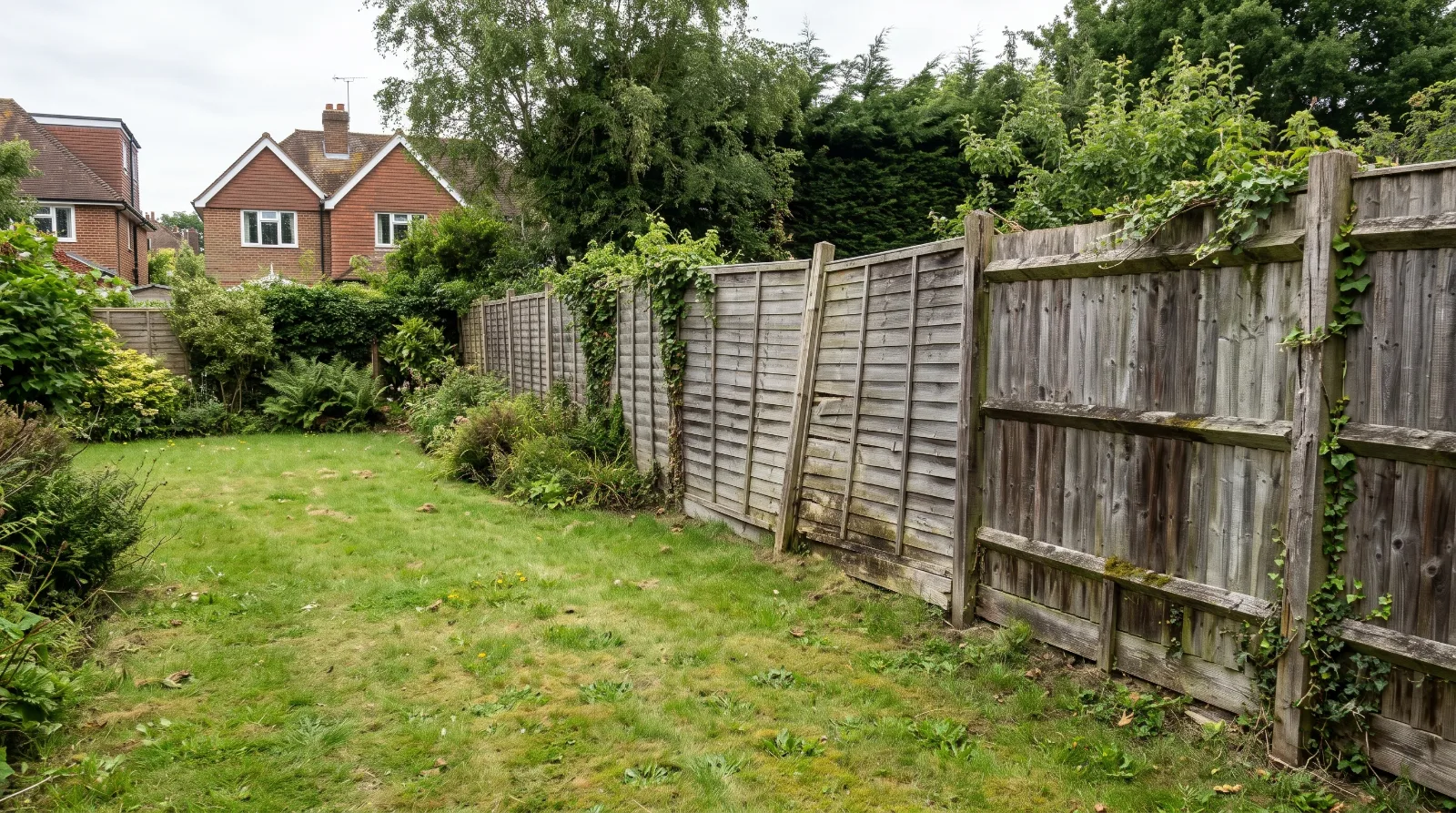
A garden fence does more than mark the edge of your property. It provides privacy, helps define the garden and creates a backdrop for lawns, planting and outdoor seating. When panels start breaking, posts become unstable or the fence begins to lean, however, it can be difficult to know whether a few repairs will be enough or whether the entire fence needs replacing.
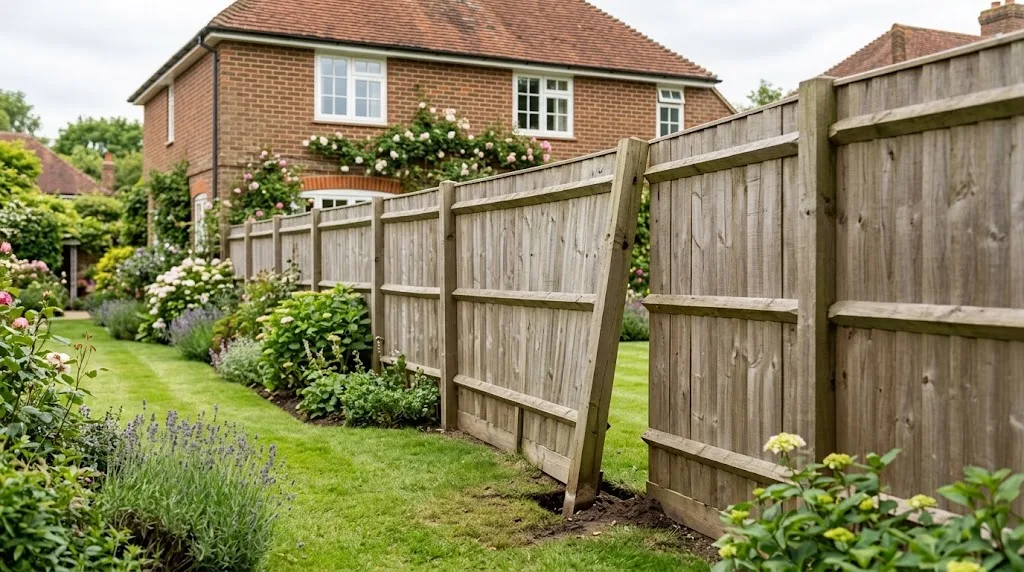
Replacing one or two damaged panels is often straightforward when the rest of the structure is sound. But if several posts are rotting, multiple sections are leaning or repairs have become a regular expense, installing a new fence may be the more sensible long-term option.
For homeowners in Surrey, the right decision depends on the condition of the existing fence, the extent of the damage, the cost of repairs and how well the boundary meets the needs of the garden.
1. Several Fence Posts Are Rotten or Unstable
One of the clearest signs that a fence may need replacing is deterioration in multiple posts.
Fence posts support the panels and transfer loads from the fence into the ground. If the posts become weak, the panels may begin leaning, separating or falling out of position.
Timber posts are particularly vulnerable to decay where they meet the ground, as this area can remain damp for extended periods. A post may look reasonably sound above ground while its base has already deteriorated.
Look out for:
Posts that lean noticeably or move in the ground.
Timber that appears soft, split or badly decayed near ground level.
Cracked concrete around several post bases.
Panels that repeatedly come loose despite being secured.
Multiple sections of fencing that no longer line up properly.
A single damaged post does not automatically mean the entire fence needs replacing. It may be possible to replace the individual post or use a suitable repair system if the surrounding structure remains sound.
However, when several posts are failing along the same boundary, it is worth assessing the whole fence rather than dealing with each problem individually.
2. Multiple Fence Panels Are Breaking Down
Fence panels can deteriorate over time as they are exposed to rain, sunlight, wind and repeated changes in temperature.
Timber may begin to split, warp or weaken, particularly where water collects or the wood has not been adequately protected. Fixings can also loosen, allowing panels to rattle or pull away from the supporting posts.
A damaged panel can usually be replaced individually if the posts, rails and neighbouring panels remain in good condition. This can be a sensible solution after isolated storm damage or accidental impact.
The situation is different when damage appears across much of the fence.
If several panels are broken, warped or becoming brittle, replacing them individually may leave you with a patchwork of new and ageing materials. More importantly, deteriorating panels may indicate that the fence is approaching the point where further repairs are unlikely to offer good value.
The key question is whether the damage is isolated or widespread. If most of the fence is still structurally sound, repairs may be sufficient. If several components are failing together, consider obtaining a quotation for a complete replacement.
3. The Fence Keeps Leaning or Falling Over
A fence that repeatedly leans after strong winds or needs frequent adjustments may have a more serious underlying problem.
Movement can be caused by loose fixings, weakened posts, unsuitable foundations, deteriorating timber or ground conditions that no longer provide adequate support. Large, solid fence panels can also experience considerable wind pressure.
Before deciding on replacement, establish what is causing the movement. Replacing panels alone will not solve a problem caused by unstable posts, while installing new posts may not be worthwhile if the remaining panels and rails are already in poor condition.
Consider the pattern of the damage.
If one section has moved following a storm, a local repair may be enough. If the entire fence line has become uneven, several posts are loose or previous repairs have failed repeatedly, a wider replacement may be more appropriate.
A badly leaning or unstable fence can pose a risk to people, pets and neighbouring property. Keep people away from the affected area and arrange an assessment rather than attempting to force the fence back into position.
4. You Are Paying for Repairs Again and Again
An occasional fence repair is normal. Over time, individual panels or posts may need attention, especially after severe weather.
The problem arises when repairs become a recurring expense without addressing the wider condition of the fence.
For example, replacing one panel may solve a local problem, but it will not add much value if the posts on either side are also deteriorating. Similarly, securing a loose panel may only provide a temporary improvement if the supporting structure is already unstable.
When deciding between repair and replacement, compare the likely cost of the work over the next few years.
Consider:
The cost of repairing the current damage.
Whether additional panels or posts are likely to need attention soon.
The labour involved in returning to the same fence repeatedly.
The cost of replacing the affected section or the entire boundary.
Whether a new fence would offer better durability, privacy or appearance.
There is no universal repair-cost threshold that applies to every fence. The right decision depends on the materials, access, length of the fence and extent of the deterioration.
Obtaining quotations for both repair and replacement can make the difference much clearer.
5. The Fence No Longer Provides Enough Privacy
Sometimes a fence is still standing but no longer does the job you need it to do.
Gaps between boards, damaged panels or an unsuitable fence height may leave parts of the garden exposed to neighbouring views. You may also find that the existing style does not suit a redesigned patio, outdoor seating area or new planting scheme.
In these circumstances, replacing the fence can be an opportunity to improve the garden rather than simply restore the old boundary.
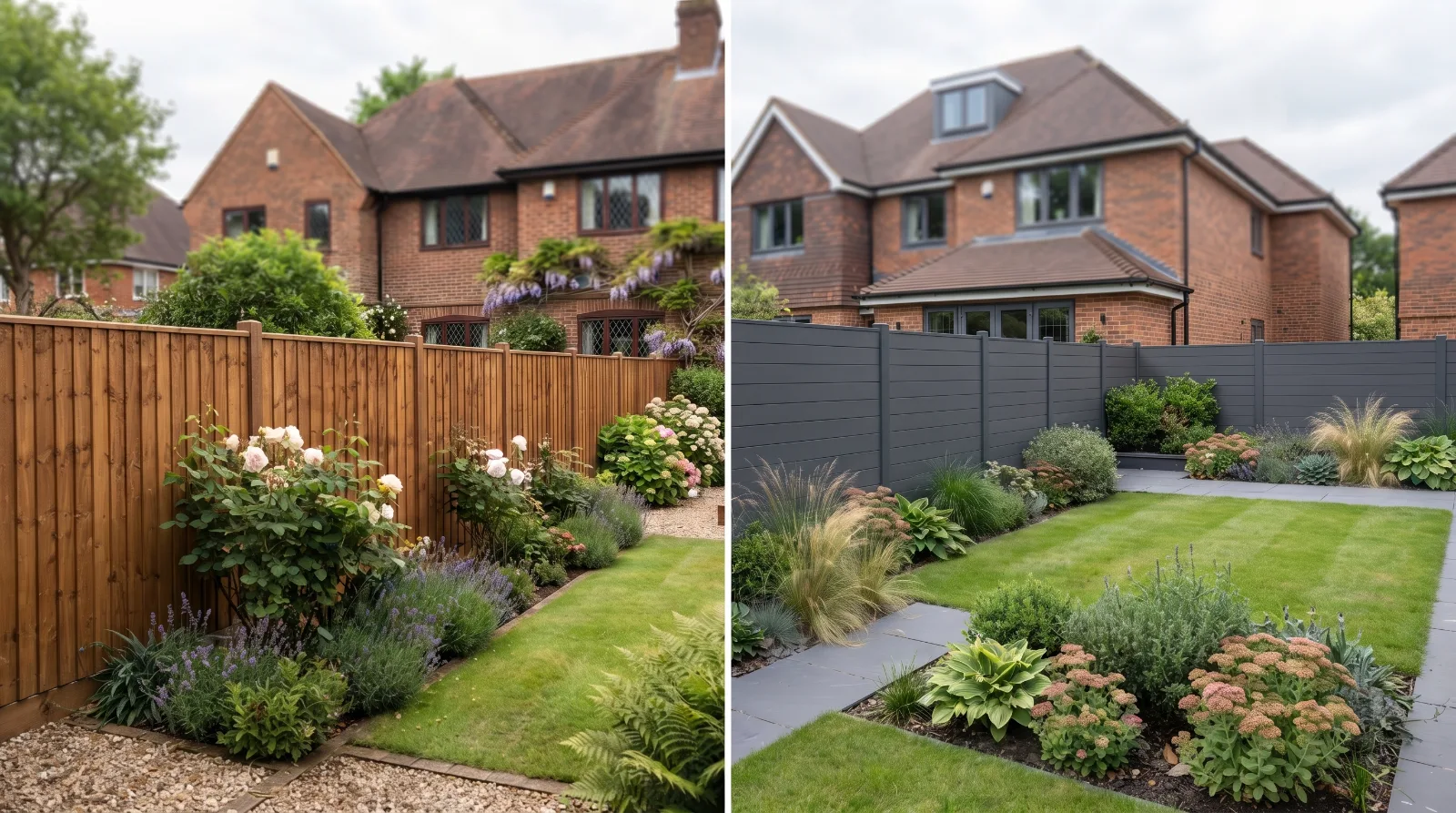
For example, closeboard fencing can provide a solid boundary, while decorative panels may suit a garden where appearance is a particular priority. Trellis sections or carefully positioned planting can also help soften the fence line.
Before choosing a replacement, consider how much privacy you need, the available space and the appearance of the garden as a whole. The most suitable option should work with the property and surrounding landscaping, rather than being chosen on appearance alone.
If the only problem is a small gap or one damaged panel, a full replacement may be unnecessary. But when privacy concerns coincide with widespread deterioration, replacing the fence can address both problems in a single project.
6. The Fence Is Difficult to Maintain or No Longer Suits the Garden
Older fencing is not automatically unsuitable for use. A well-installed fence made from appropriate materials may remain serviceable for many years.
Nevertheless, age can become a consideration when combined with deterioration, repeated repairs or changing requirements.
Perhaps the existing timber needs frequent attention, the fence has become difficult to keep presentable or the garden has been redesigned around a different style.
Replacing the fence gives you the opportunity to reconsider the entire boundary. You could retain the existing layout but upgrade the panels, choose a different finish or introduce more durable supporting components.
The decision should be based on the fence's actual condition rather than its age alone. Some older fences remain sound, while poorly installed or neglected fencing can deteriorate much sooner than expected.
7. Should You Replace the Whole Fence or Just One Section?
A full replacement is not always necessary, even when part of the fence has reached the end of its useful life.
Many garden boundaries deteriorate unevenly. Sections exposed to strong winds or persistent moisture may fail before more sheltered areas, for example.
This makes partial replacement a useful option to consider.
Situation | Possible approach |
|---|---|
One broken panel and sound posts | Replace the damaged panel |
One failed post with otherwise sound fencing | Replace or appropriately repair the post |
Several damaged panels in one area | Replace the affected section |
Multiple rotten posts and deteriorating panels across the boundary | Consider full replacement |
One section is badly exposed while the rest remains sound | Replace the weaker section and retain the sound fencing |
The entire fence is unsuitable for the garden's privacy or design requirements | Consider replacing the full boundary |
The condition of the supporting structure is particularly important. New panels attached to weak posts will not provide a reliable long-term result.
If part of the existing fence remains in good condition, retaining it may reduce the amount of work and waste involved. However, the join between the old and new sections should be considered carefully so the finished boundary remains secure and consistent in appearance.
8. What Should You Consider When Replacing a Fence?
If a new fence is the better option, use the opportunity to plan the boundary properly.
Choose suitable materials
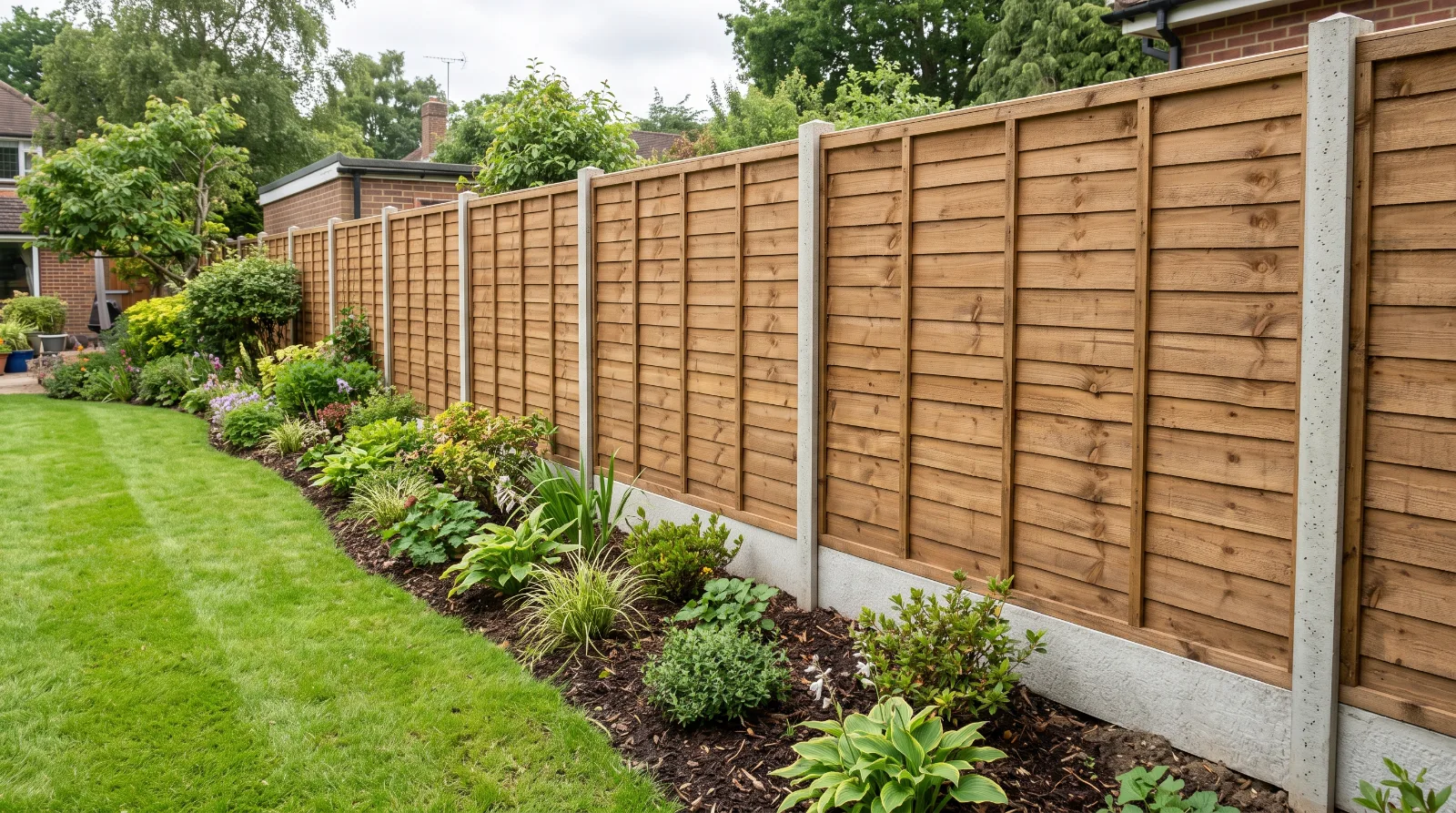
Timber fencing remains popular for its natural appearance and range of styles. Concrete posts and gravel boards can provide a different maintenance profile from all-timber construction, while other fencing systems may suit particular design requirements.
The best choice depends on your budget, preferred appearance, exposure to weather and willingness to maintain the fence.
Check the posts and gravel boards
Posts and gravel boards are important parts of the overall structure. Gravel boards separate the lower edge of the fence panels from direct contact with the soil, which can help reduce moisture-related deterioration.
The supporting posts also need to be suitable for the fence's height, panel type, ground conditions and exposure. Replacing the visible panels without considering these components can leave the new fence vulnerable to similar problems.
Think about the garden layout
A replacement fence should complement the garden rather than being treated as an isolated feature.
Consider how the boundary will look alongside patios, paths, raised beds and planting. A consistent fence style can make the garden feel more organised, while suitable trellis or screening plants can soften the finished appearance.
Plan access and removal
Replacing an entire fence involves more than installing new panels. Existing fencing may need to be dismantled, posts removed, waste taken away and the ground prepared for new supports.
Restricted access, extensive concrete footings and established planting can all affect the amount of work involved. Including these details in the initial assessment helps create a more realistic plan and quotation.
9. How Much Does It Cost to Replace an Entire Fence?
The cost of replacing a fence depends on the length and height of the boundary, the materials selected and the condition of the existing installation.
The main factors include:
The total length of fencing required.
The type and height of panels.
Whether timber or concrete posts are used.
The condition and removal of existing posts and concrete.
Ground conditions and access for equipment.
The amount of waste that needs to be removed.
Gates, changes in level and other additional features.
A straightforward replacement where access is good may involve considerably less work than a long boundary with difficult ground conditions or substantial old concrete footings.
For that reason, it is difficult to give a reliable price from the fence's appearance alone. A site assessment allows the length, materials, access and condition of the existing structure to be considered together.
If you are unsure whether to repair or replace your fence, ask for the options to be priced separately where practical. This can help you compare the immediate cost against the potential benefits of replacing the wider structure.
When Is Replacing an Entire Fence Worth It?
Replacing an entire fence is usually worth considering when deterioration is widespread, several posts are unstable, the fence repeatedly requires repairs or the existing boundary no longer meets your needs.
If the damage is limited to one or two panels and the supporting structure remains sound, targeted repairs may be the more sensible choice. Where only one section has deteriorated, partial replacement can offer a practical middle ground.
The important thing is to assess the fence as a complete structure, including its posts, panels, fixings and ground conditions, before deciding what work is needed.
Improve Your Garden Boundary with Surrey Oak Landscapes
A good fence provides more than a boundary. It contributes to your garden's privacy, appearance and overall layout.
At Surrey Oak Landscapes, we provide fencing installation as part of our landscaping and groundworks services. Whether your existing fence has become unstable, several panels need replacing or you are planning a complete boundary upgrade, the right approach starts with understanding the condition of the existing fencing and what you want from the finished garden.
Thinking about replacing your garden fence? Contact Surrey Oak Landscapes for a free, no-obligation quote.
About the author