How to Stop Wooden Fence Panels Rotting
Wooden fence panels can rot when exposed to constant moisture. Discover how to protect your fencing with gravel boards, timber treatments, better drainage and simple maintenance.
Wooden fence panels provide privacy, security and a natural finish that suits many Surrey gardens. However, constant exposure to rain, damp conditions and changing temperatures can gradually take their toll on timber fencing.
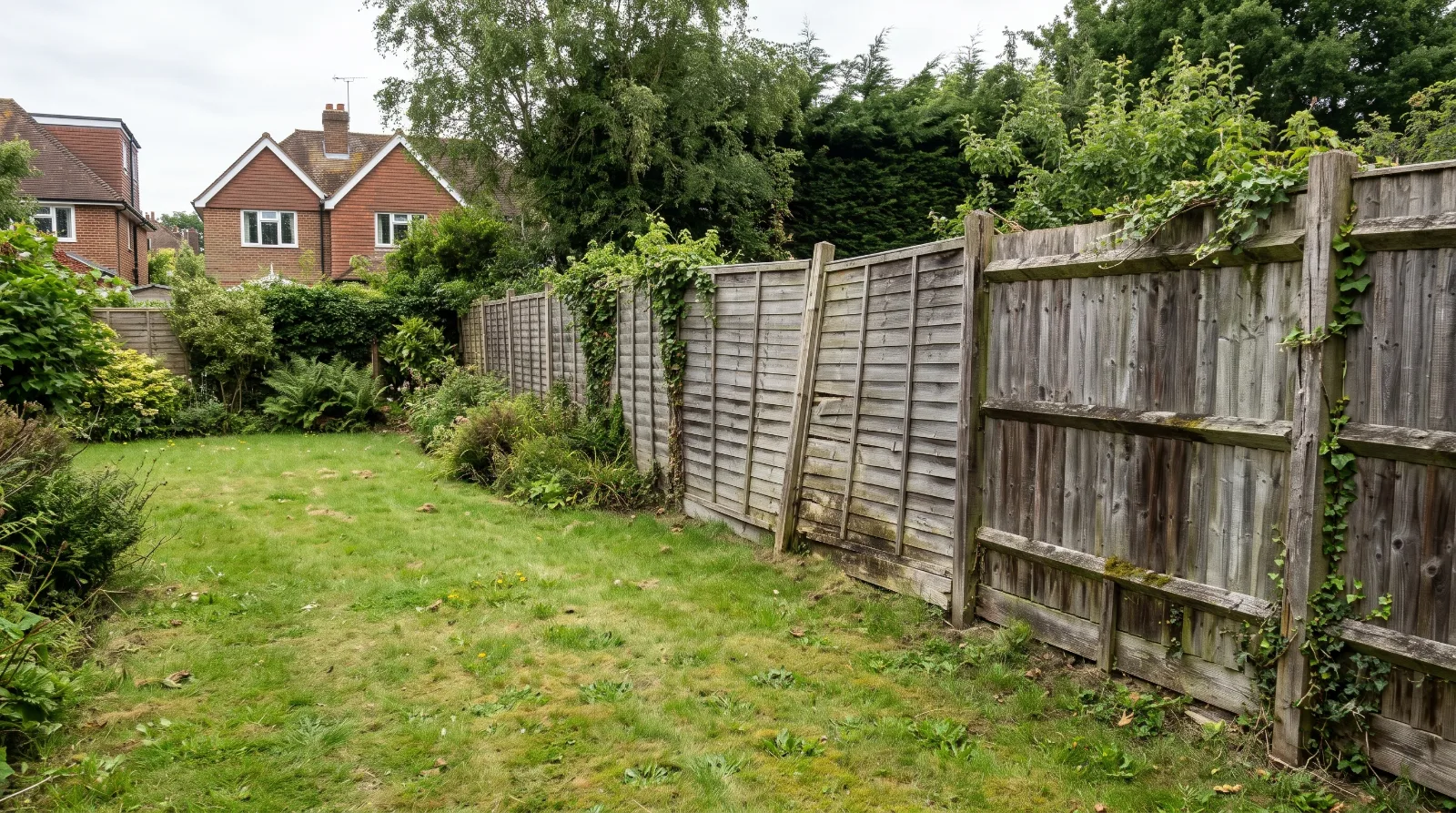
Rot often starts around the bottom of a panel, where the wood stays in contact with wet soil, grass or fallen leaves. If left untreated, the damage can spread through the timber, weakening the panel and eventually making replacement necessary.
The good news is that a few practical steps can help protect wooden fence panels, reduce moisture damage and extend the life of your fencing.
Why Do Wooden Fence Panels Rot?
Wood rot is caused by fungi that develop in damp timber. When the wood remains wet for prolonged periods, these fungi can break down its structure, leaving it soft, weak and eventually unable to support its own weight.
Several common conditions can increase the risk of rot:
Constant moisture: Rainwater, wet soil and poor drainage prevent timber from drying properly.
Direct ground contact: Panels touching soil or grass are exposed to persistent moisture.
Poor ventilation: Dense planting, climbing vegetation and debris can trap damp air against the wood.
Damaged timber protection: Weathering, scratches and untreated cut edges can leave timber more vulnerable to moisture.
Lack of maintenance: Dirt, algae and fallen leaves can accumulate and keep the surface damp.
The bottom of a fence panel is particularly vulnerable, but the horizontal rails, joints and areas around fixings can also deteriorate over time.
1. Keep Fence Panels Away from the Ground
One of the most effective ways to prevent fence panels from rotting is to stop the timber from sitting directly against damp soil.
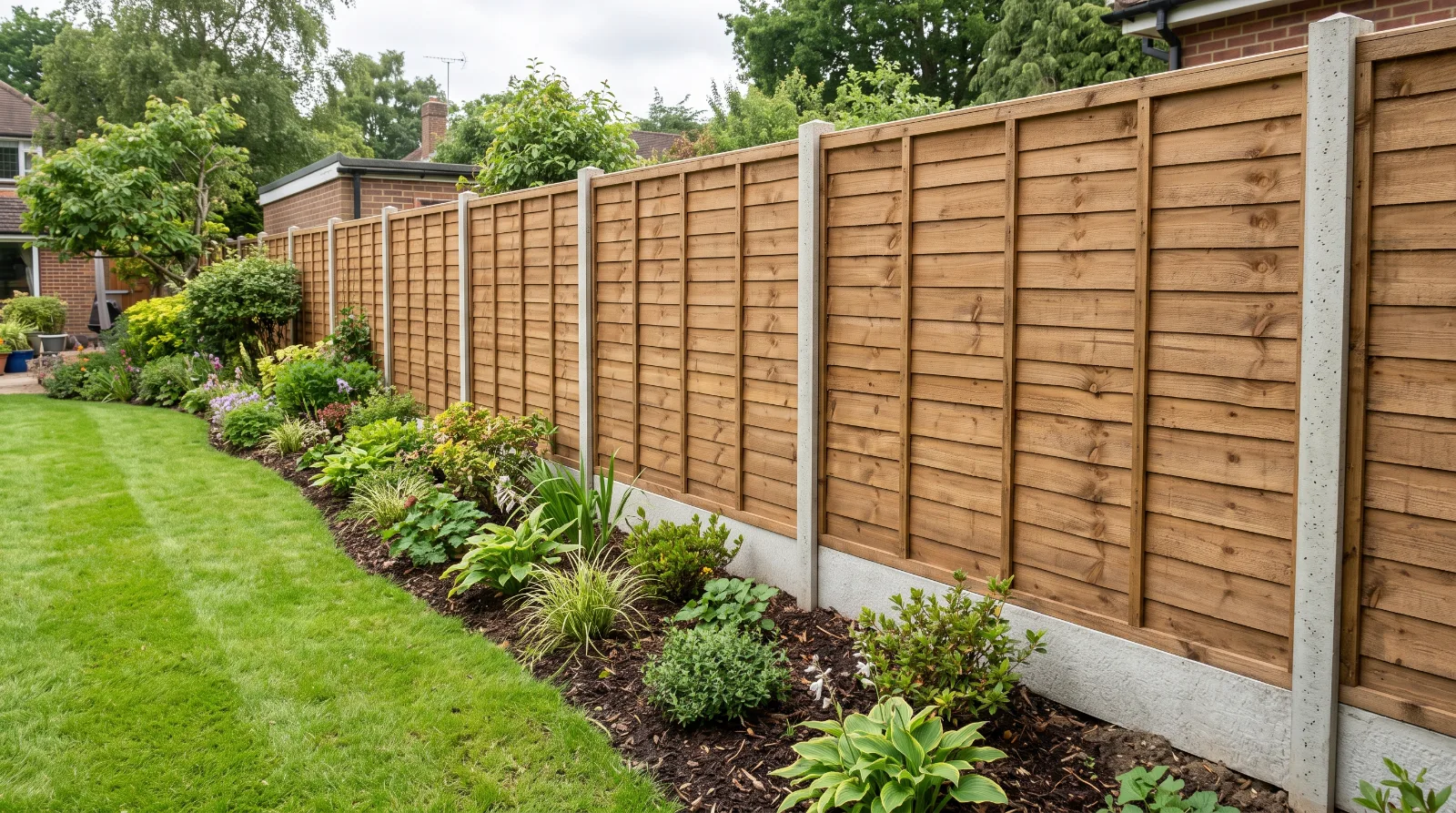
A gravel board is fitted beneath the fence panel to create a protective barrier between the timber and the ground. Gravel boards can be made from timber or concrete, with concrete offering the advantage of being resistant to rot itself.
They also help protect the lower edge of a panel from mud, rain splash and garden debris.
If your existing panels are almost touching the ground, check whether a gravel board can be installed or whether the ground level needs adjusting. Avoid simply burying the bottom of a replacement panel to close a gap, as this can expose the timber to the same conditions that caused the original problem.
2. Choose Pressure-Treated Fence Panels
The type of timber you choose can make a difference to how well your fence withstands outdoor conditions.
Pressure-treated timber has been treated with preservatives designed to protect it against fungal decay and wood-boring insects. The treatment is introduced into the timber under pressure, providing protection that generally penetrates further than a simple surface coating.
However, pressure treatment does not make wood completely immune to rot. Timber can still deteriorate if it remains waterlogged or is installed incorrectly.
When choosing replacement panels, look for products intended for outdoor use and follow the manufacturer's guidance on treatment and maintenance. Any cut ends or damaged areas should also be protected with a suitable timber preservative where recommended.
3. Apply a Suitable Wood Preservative
A suitable exterior wood preservative can help protect existing fence panels against moisture-related deterioration.
Before applying a treatment, remove loose dirt, algae and other surface debris. Allow the timber to dry sufficiently, then apply the product according to its instructions.
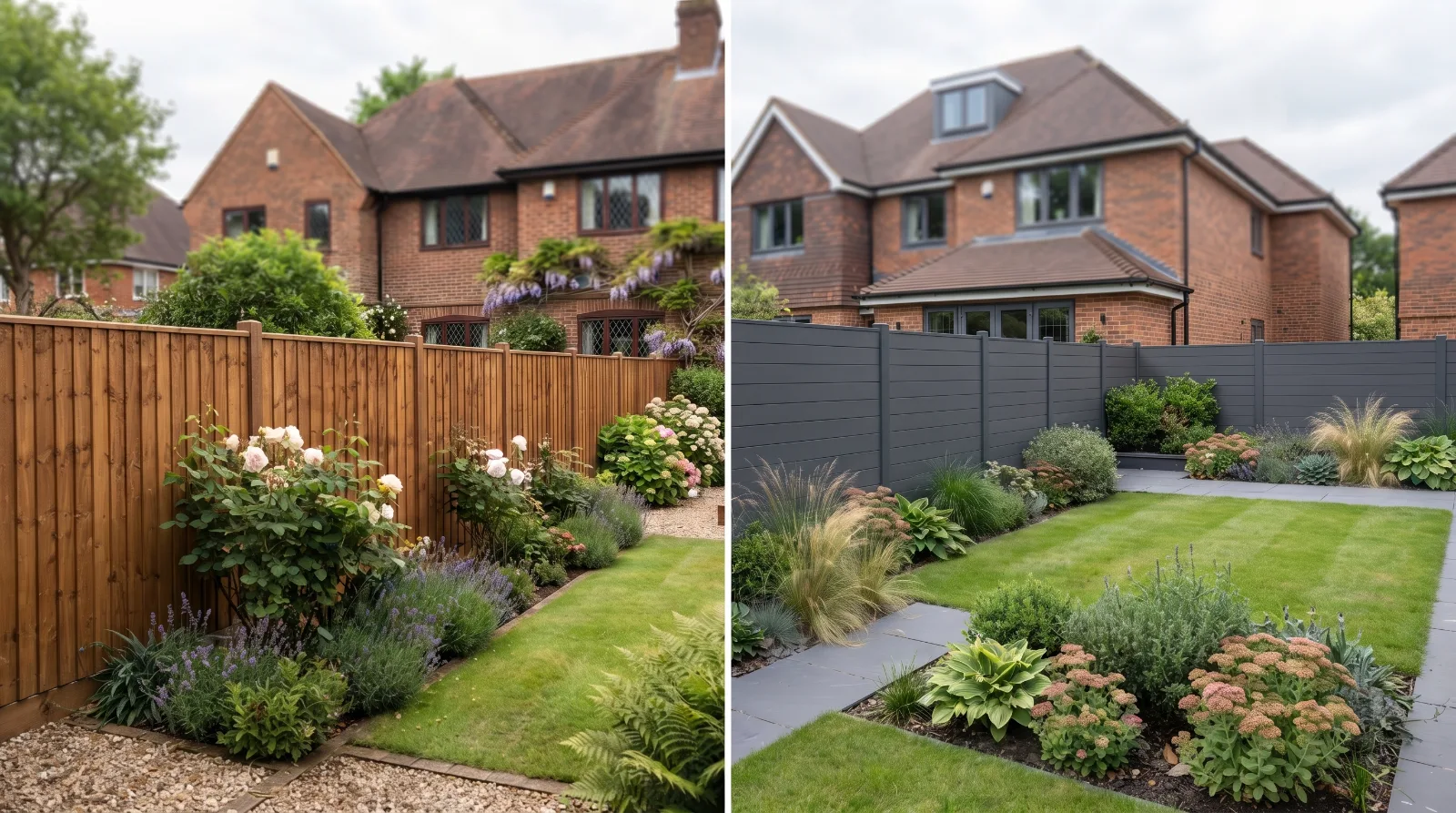
Depending on the product, you may be able to choose between clear preservatives, coloured wood stains and fence paints. These can help protect the timber while allowing you to maintain the appearance you want for your garden.
Keep these points in mind:
Use a treatment designed specifically for exterior timber.
Pay attention to joints, edges and exposed cut ends.
Follow the recommended drying times and number of coats.
Reapply the treatment when needed, rather than assuming one application will last indefinitely.
A water-repellent coating can help reduce moisture absorption, but it will not repair timber that has already rotted internally.
4. Improve Drainage Along the Fence Line
Even a well-treated fence can deteriorate prematurely if water continually collects around its base.
Check the ground along your fence after heavy rainfall. Look for puddles, muddy patches and areas where soil slopes towards the panels. Blocked drainage channels, leaking downpipes and raised planting beds can also contribute to persistent dampness.
Where practical, correct the source of the water rather than relying on additional timber treatment alone.
Be careful when adjusting ground levels around fence posts, as excessive digging can undermine their foundations. If the garden has a significant change in level, a separate retaining solution may be needed rather than using ordinary fence panels to hold back soil.
5. Keep Plants and Debris Away from the Fence
A fence surrounded by dense planting can stay damp for much longer than one with good airflow.
Climbing plants, long grass, shrubs and fallen leaves can trap moisture against the timber. Over time, this creates conditions that encourage decay and makes it harder to spot early signs of damage.
To reduce the risk:
Trim back vegetation that rests directly against the panels.
Clear leaves, soil and compost from the bottom of the fence.
Remove accumulated dirt from horizontal rails and joints.
Leave enough access to inspect and maintain the timber.
This does not mean removing all planting beside your fence. A border can still look attractive while allowing sufficient airflow and access for maintenance.
6. Inspect Your Fence Regularly
Small problems are generally easier to deal with before rot spreads through an entire panel.
Inspect your fencing at least once a year, and check it again after particularly wet or windy weather. Pay attention to the lower edges, horizontal rails, joints and the points where panels connect to posts.
Look for these warning signs:
Sign of damage | What it could indicate |
|---|---|
Soft or spongy timber | Rot may have started inside the wood |
Dark, persistently damp patches | Moisture is not drying effectively |
Crumbling or splitting boards | Timber may be deteriorating |
Loose joints or fixings | The panel may have weakened or moved |
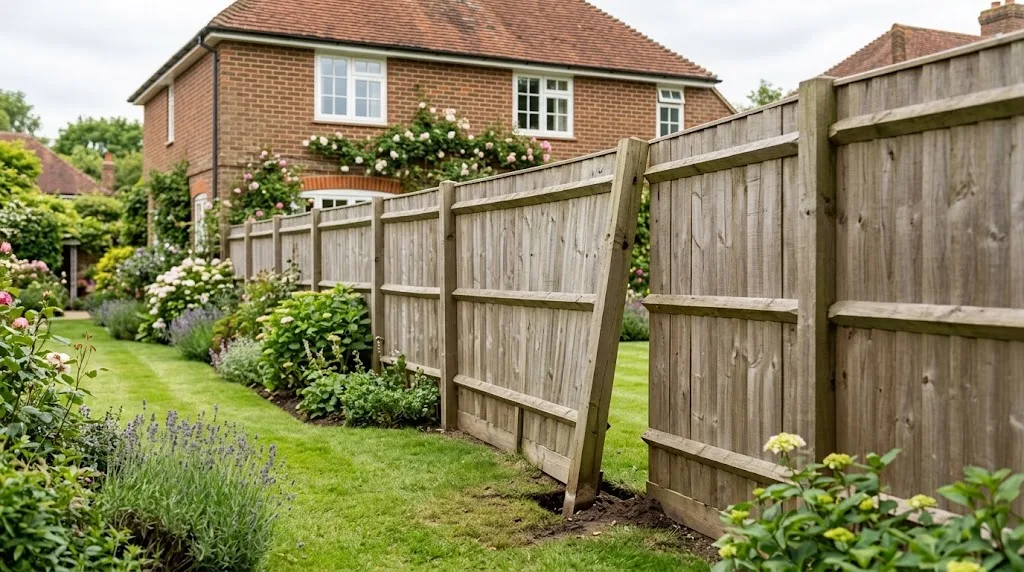
Sagging or distorted panels | Damage, poor support or prolonged moisture exposure |
Discolouration alone does not always mean timber has rotted. Surface algae and weather staining can often be cleaned, whereas soft timber that breaks apart easily is a stronger indication of decay.
Can Rotten Fence Panels Be Repaired?
Whether a fence panel can be repaired depends on how far the damage has progressed.
If the timber is structurally sound and the problem is limited to surface staining or minor weathering, cleaning and applying an appropriate treatment may be enough.
Where rot affects a small, replaceable section, a local repair may be possible. However, if the bottom rail has become soft, several boards are crumbling or the panel has lost its strength, replacement is usually the more reliable option.
It is also worth checking the posts and gravel boards before installing a new panel. Replacing damaged timber without addressing the underlying moisture problem can lead to the same issue recurring.
Are Concrete Gravel Boards Worth It?
For homeowners replacing an existing fence or installing new fencing, concrete gravel boards are worth considering, particularly in areas where the ground stays damp.
Unlike timber, concrete does not rot when exposed to moisture. It creates a durable barrier between the soil and the bottom of the wooden panel, helping protect one of the fence's most vulnerable areas.
Concrete gravel boards can also reduce the impact of soil and garden debris on the lower edge of the panel. They are not a complete solution to poor drainage, but when combined with suitable panels and proper installation, they can help reduce the risk of premature timber decay.
How Long Should Wooden Fence Panels Last?
The lifespan of wooden fence panels varies depending on their quality, treatment, installation and exposure to the weather. Well-maintained panels installed with suitable ground clearance can last considerably longer than panels that remain damp or are in direct contact with soil.
There is no single lifespan that applies to every fence. A sheltered garden with good drainage may place less strain on the timber than an exposed boundary where rainwater regularly collects.
Choosing appropriate materials, protecting the bottom of the panels and carrying out regular inspections are among the most practical ways to get more life from your fencing.
Protect Your Garden Fencing with Surrey Oak Landscapes
Preventing fence rot starts with good installation and continues with simple, consistent maintenance. Keeping timber clear of the ground, improving drainage and applying suitable protective treatments can all help reduce the risk of deterioration.
If your fence panels are badly rotted, damaged or nearing the end of their useful life, replacing them may be the best way to restore your garden's privacy and appearance.
Surrey Oak Landscapes provides fencing and landscaping services to help homeowners create practical, well-finished outdoor spaces.
About the author