What Should You Do If a Tree Is Damaged in a Storm?
Storms can leave trees with broken branches, split trunks or damaged roots. Learn how to assess the risks safely, protect your property and decide when professional tree surgery is needed.
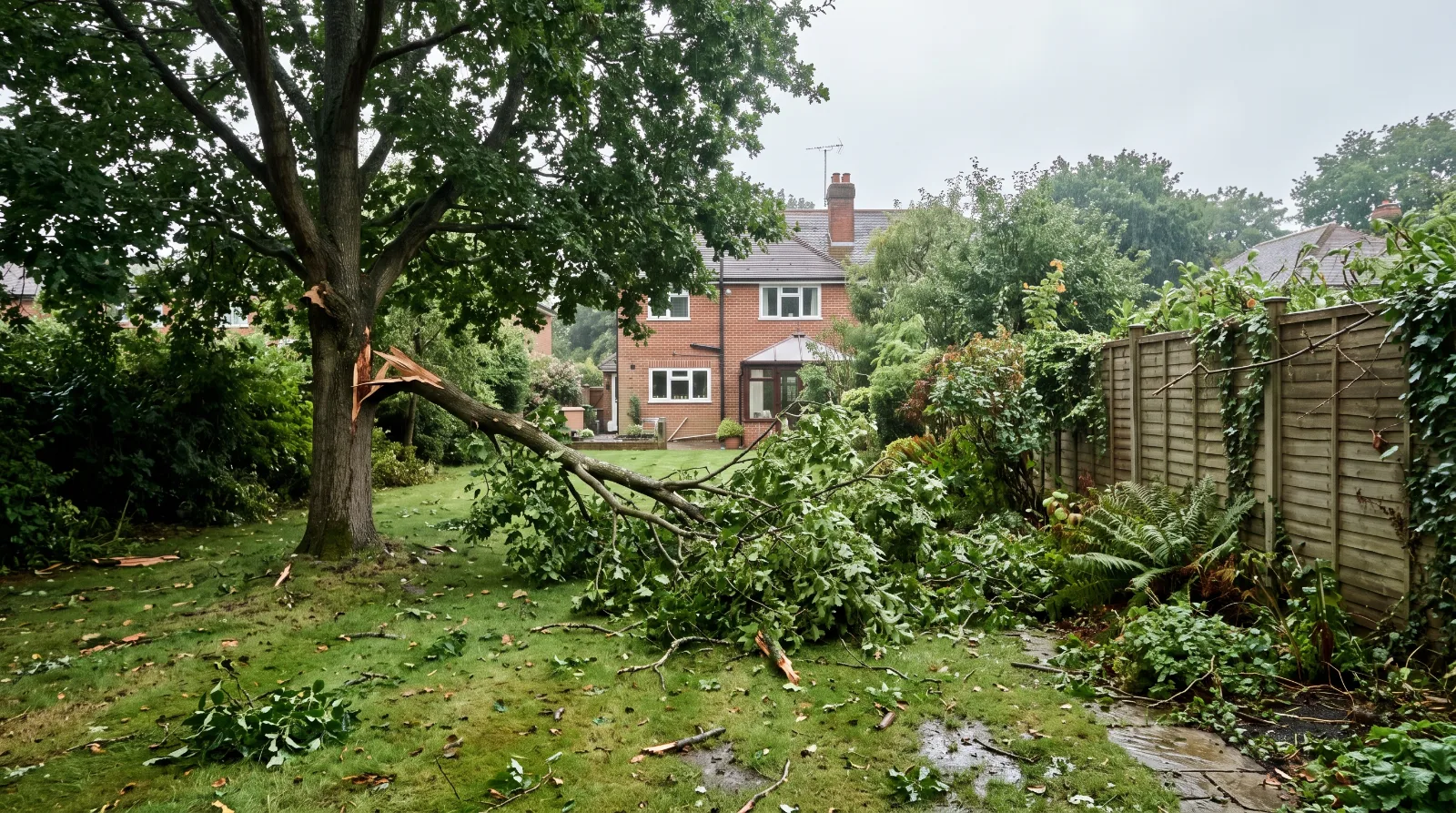
Strong winds and heavy rain can cause significant damage to trees, from broken branches and split trunks to trees that have partially or completely fallen. While some damage is immediately obvious, other problems can be harder to spot and may leave a tree unstable even after the weather has passed.
Knowing what to do after a storm can help protect your property, keep your garden safe and prevent further damage. The most important thing is to assess the situation carefully and avoid attempting dangerous repairs yourself.
1. Check the Area Is Safe First
Before inspecting a damaged tree, make sure the storm has passed and it is safe to go outside. Even then, avoid walking directly beneath damaged branches or approaching a tree that appears unstable.
Look for immediate hazards from a safe distance, including:
Large branches hanging loosely in the canopy.
A split trunk or major cracks where branches meet.
A tree that has started leaning more than usual.
Soil lifting or cracking around the base of the tree.
A fallen tree resting against a building, fence or another tree.
Branches touching or tangled with overhead power lines.
If a tree or branch presents an immediate danger to life, call 999. Keep well away from damaged power lines and anything that may be in contact with them.
Do not climb the tree, use a ladder to reach broken branches or attempt to pull down hanging timber. Storm-damaged branches can be under considerable tension and may move unpredictably.
2. Identify the Type of Storm Damage
Once the area is safe to assess from a distance, consider what damage the tree appears to have suffered. Different problems require different approaches, and not every damaged tree needs to be removed.
Type of damage | What it could mean |
|---|---|
Broken or hanging branches | A risk of falling timber that may require professional pruning or removal |
Split trunk or major limb | Structural weakness that could affect the tree's stability |
Newly leaning tree | Possible root damage or movement in the surrounding soil |
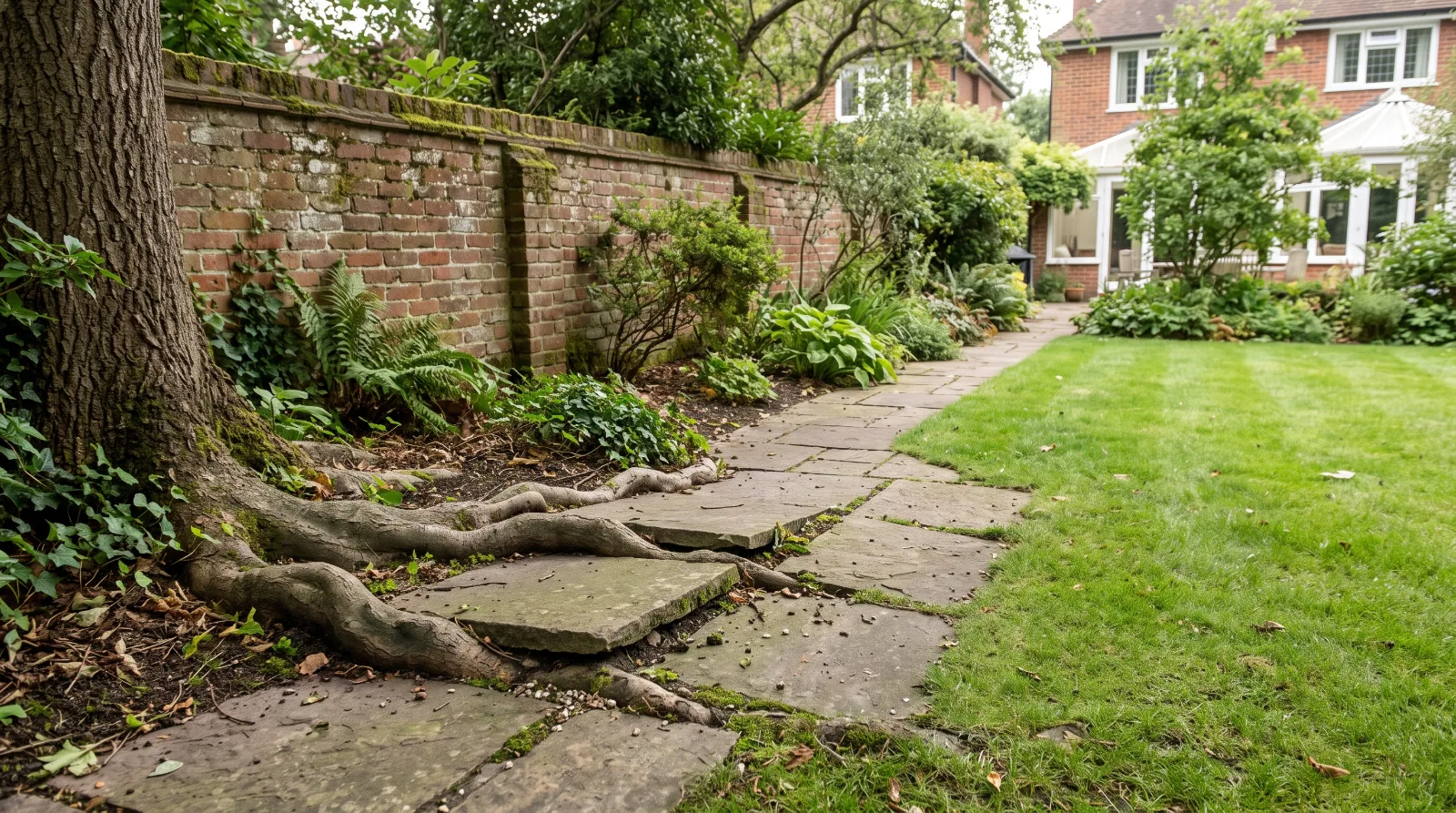
Exposed or lifted roots | Potential loss of stability, particularly in a mature tree |
Fallen tree | May require specialist dismantling and removal |
Damaged smaller branches | May be manageable through appropriate pruning if the main structure remains sound |
A tree can also suffer hidden damage. For example, a branch may remain attached despite being badly split, while movement around the roots may not be obvious from every angle.
If you are unsure whether the tree is safe, arrange an assessment by a qualified tree professional rather than trying to determine its stability yourself.
3. Deal with Broken and Hanging Branches
Broken branches are among the most common forms of storm damage. Smaller twigs and minor branches may cause little concern, but large limbs hanging in the canopy can present a serious hazard.
A damaged branch may fall later, particularly if further wind or rain occurs. Branches caught between other limbs can also be difficult to remove safely because their weight and tension may not be obvious.
Professional tree surgery can involve removing damaged limbs, reducing the risk of further breakage and making appropriate pruning cuts to preserve the tree's structure.
The amount of work required depends on the branch size, its position, the condition of the tree and what lies beneath it. A branch over a lawn may present a different level of risk from one hanging above a house, driveway or public footpath.
Avoid cutting large branches yourself, especially if they are high up, partially detached or supporting other damaged timber.
4. What If the Tree Has Started Leaning?
A tree that has developed a new lean after a storm should be treated cautiously. Strong winds can move the root plate, disturb the surrounding soil or damage roots that previously helped anchor the tree.
Warning signs include raised ground around the trunk, exposed roots, fresh cracks in the soil and a noticeable change in the tree's position.
However, not every leaning tree is dangerous. Some trees naturally grow at an angle, so the important consideration is whether the lean is new or has changed following the storm.
If the tree appears to have shifted, keep people and pets away from the area and arrange a professional assessment. Do not try to straighten the tree, compact the soil around its base or cut roots in an attempt to stabilise it.
Depending on the extent of the damage, a specialist may recommend monitoring, appropriate remedial work or removal if the tree cannot be made safe.
5. Protect Your House, Driveway and Garden
A storm-damaged tree can affect more than the tree itself. Falling branches may damage roof tiles, garden walls, fencing, greenhouses, vehicles and outdoor structures.
If a tree has fallen onto your property, keep clear of the affected area and check for signs of structural damage only from a safe position. Do not climb onto a damaged roof or attempt to move a heavy trunk that is resting against a building.
Once the immediate danger has been addressed, consider the following:
Buildings: Arrange suitable inspections if the roof, walls, windows or other structural elements have been damaged.
Driveways and patios: Check for cracked or displaced paving once it is safe to access the area.
Fencing and garden walls: Look for leaning sections, broken panels and unstable masonry.
Drainage: Check for visible damage to accessible drains or drainage channels.
Garden access: Keep paths and driveways clear of hazardous debris until the necessary tree work has been completed.
If a tree has fallen across a public road or footpath, contact the relevant local authority or emergency service as appropriate. Do not attempt to clear a public route yourself if the tree is unstable or creates an immediate hazard.
6. Should You Remove a Storm-Damaged Tree?
Not always. The right decision depends on the extent of the damage, the tree's condition and the risk it presents to people or property.
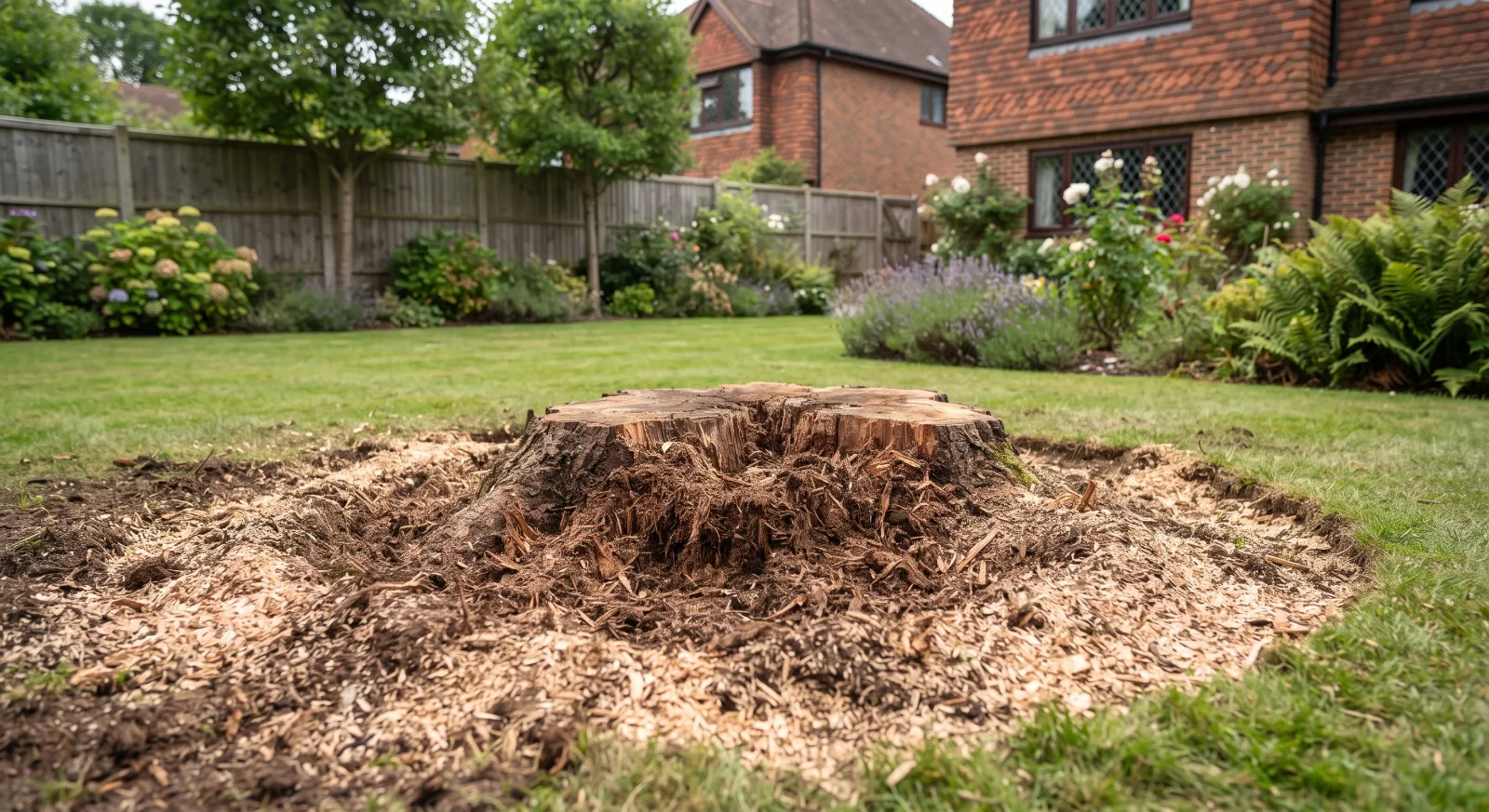
A tree with a few damaged branches may be suitable for remedial pruning. A more seriously damaged tree may need substantial work, while a tree with major structural failure or compromised roots may require removal.
A qualified tree professional can assess the damage and recommend a suitable course of action. The aim should be to address safety concerns without removing a tree unnecessarily.
Before arranging non-urgent removal, check whether the tree is protected by a Tree Preservation Order or is within a conservation area. Relevant permissions or restrictions may apply, although specific exceptions can exist for urgent safety work.
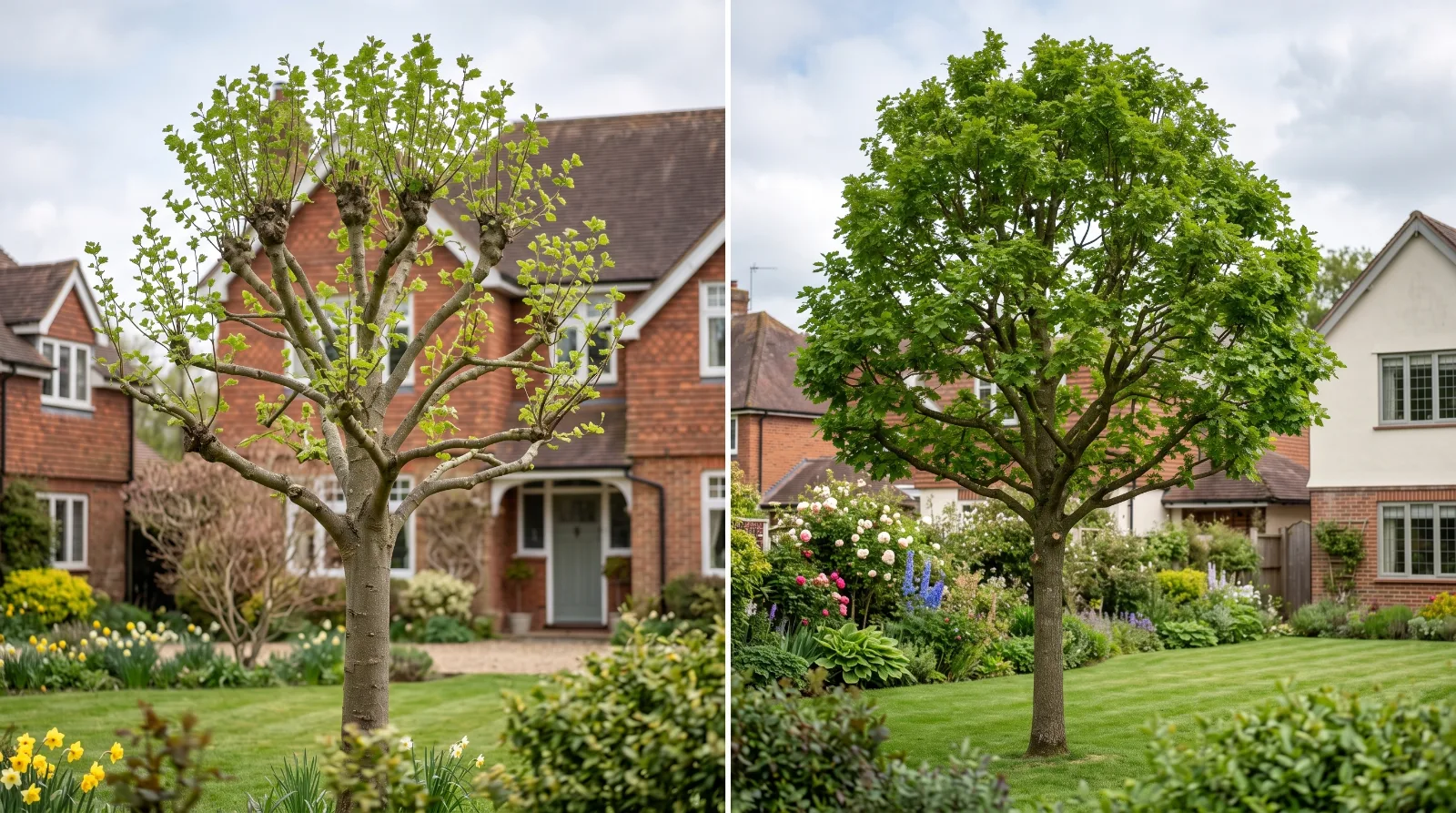
It is also worth remembering that cutting back every branch is not necessarily the best solution. Excessive pruning can weaken a tree and affect its long-term health, so any remedial work should be appropriate to the damage.
7. Document the Damage and Contact Your Insurer
If the storm has damaged your property, take photographs from a safe distance once conditions allow. These can help record the extent of the damage before repairs begin.
Contact your home insurer to find out what your policy covers and whether the insurer needs to arrange or approve any work. Keep records of repair estimates, invoices and relevant communications.
If the tree belongs to a neighbour or is on council-owned land, notify the relevant owner or authority where appropriate. Responsibility for damage can depend on the circumstances, so avoid assuming who is liable before the facts have been established.
For urgent hazards, safety should come first. Do not delay necessary emergency action simply to obtain photographs or paperwork.
8. How Can You Reduce the Risk of Future Storm Damage?
Although no tree can be made completely immune to storm damage, sensible maintenance can help identify potential problems before severe weather arrives.
Useful preventative measures include:
Arrange periodic inspections: Particularly for mature trees near houses, roads, driveways and other frequently used areas.
Address dead or damaged branches: Appropriate pruning can reduce existing hazards.
Monitor changes in the tree: Look for developing cracks, unusual movement or signs of declining health.
Consider the planting location: Choose trees suited to the available space and surrounding structures.
Seek advice when concerns arise: A qualified arborist can assess defects that may not be obvious to an untrained observer.
Avoid unnecessary pruning purely because a storm is forecast. Good tree management focuses on the condition and structure of the individual tree rather than removing large amounts of healthy growth without a clear reason.
Need Help with a Storm-Damaged Tree?
Storm damage can be stressful, especially when a tree threatens your home, driveway or garden. Acting carefully, recognising the warning signs and arranging the right professional help can make the situation easier to manage.
Surrey Oak Landscapes offers tree surgery and landscaping services to help homeowners maintain their outdoor spaces. If a tree has suffered damage or you have concerns about its condition, professional advice can help you understand the options available.
About the author