What Happens During a Full Garden Transformation?
Planning a full garden transformation? Discover what happens at each stage, from the initial design and groundworks to hard landscaping, planting and the finished garden.
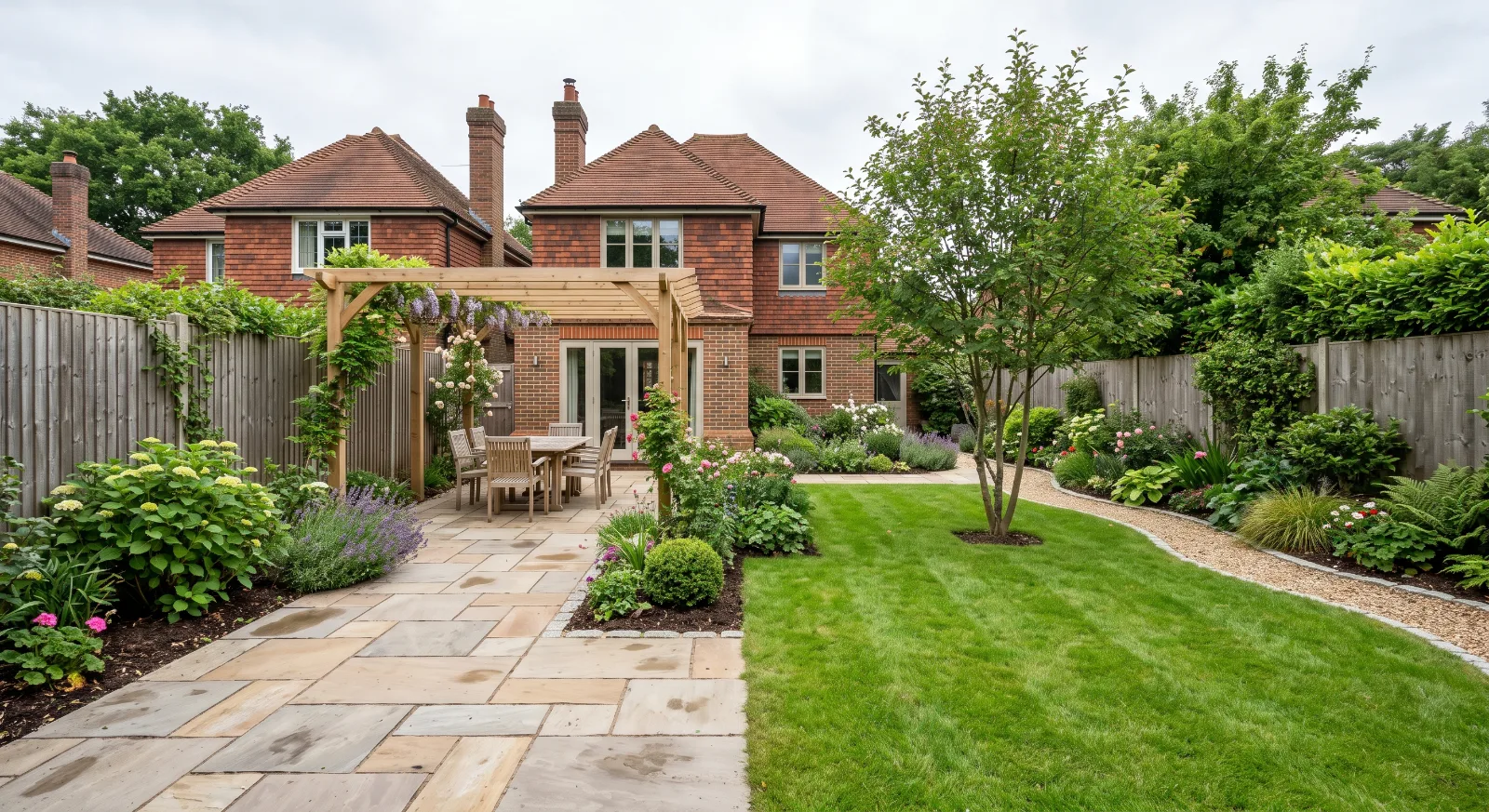
A full garden transformation is more than replacing a lawn or installing a new patio. It can involve redesigning the layout, changing levels, improving drainage, installing new paving or decking, replacing fencing, adding planting and creating better spaces for relaxing or entertaining.
Because several different elements often need to work together, the order of the work matters. A good transformation starts with understanding the existing garden before any major work begins, then moves through preparation, groundworks, hard landscaping and planting before the finishing touches are added.
So what actually happens during a full garden transformation?
1. The Garden Is Assessed
The first stage is looking at the garden as it is now.
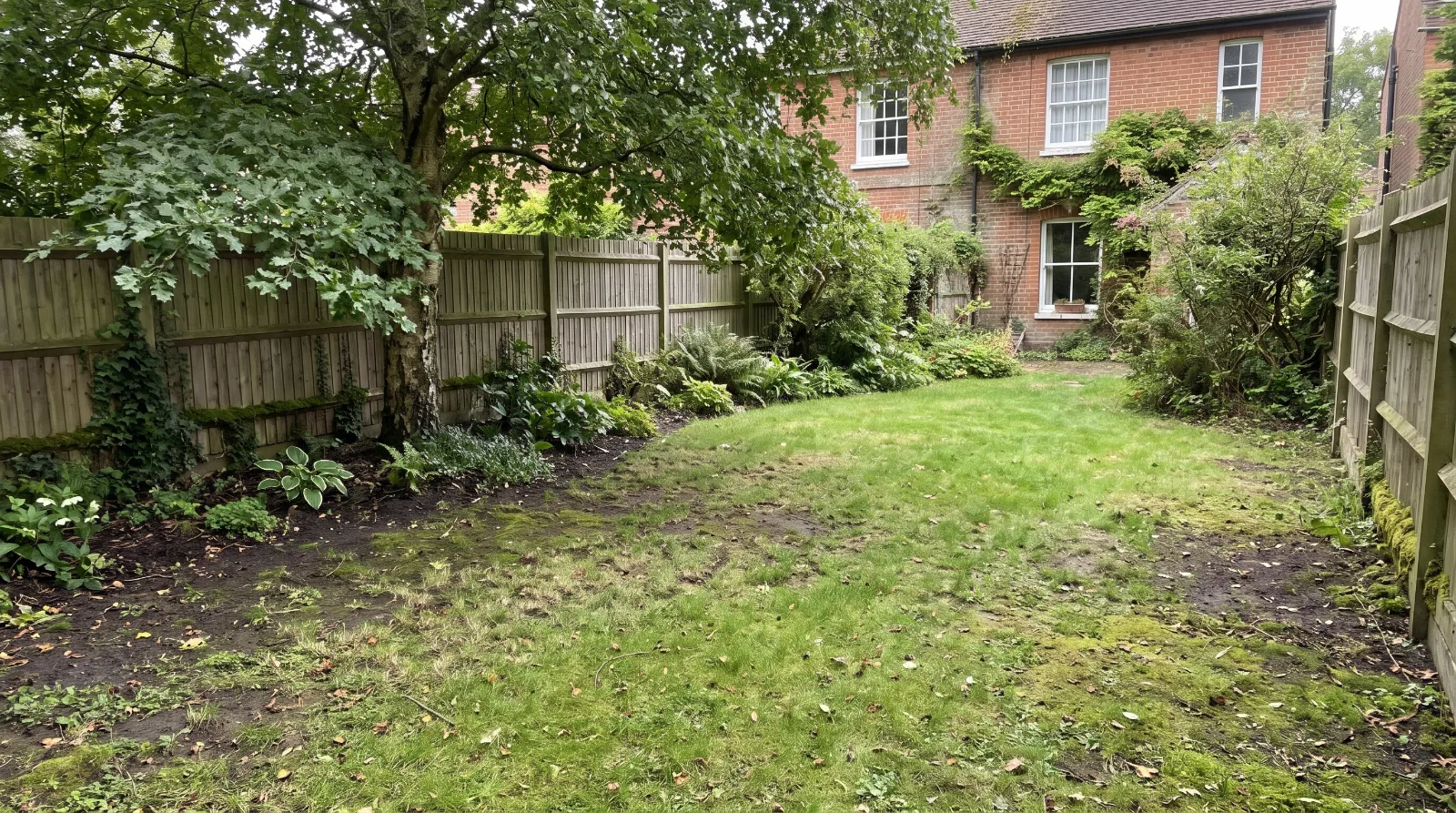
This includes taking measurements, looking at access, checking existing levels and identifying features that need to be retained or removed. Drainage, soil conditions, existing trees, boundaries and the way the garden connects to the house can all affect the final design.
For Surrey gardens, things such as slopes, heavy clay soil and areas that become waterlogged can also influence what can be built and where it should go.
The aim is to understand the practical limitations of the space before deciding on materials and finishes.
2. The Layout and Design Are Planned
Once the site has been assessed, the next step is deciding how the garden should work.
This normally starts with how you want to use the space. You might want a larger patio for entertaining, a proper lawn for children, a quieter seating area, more planting or better privacy.
A layout can then bring these elements together while considering proportions, access and the relationship between different areas. Planning at this stage can prevent problems later, such as putting a patio in the wrong position or creating awkward transitions between different surfaces.
3. The Existing Garden Is Cleared
Before construction begins, anything being replaced has to come out.
Depending on the project, this could include:
Existing feature | Possible work |
|---|---|
Old patio | Lift and remove paving and underlying materials |
Damaged decking | Remove boards and timber structure |
Old lawn | Strip existing turf |
Fencing | Remove panels, posts or concrete foundations |
Overgrown borders | Clear unwanted vegetation and roots |
Unwanted structures | Dismantle sheds, bases or other features |
Waste and old materials are usually removed as part of this stage, leaving a clear site for the new garden.
4. Groundworks and Levels Come First
This is one of the most important parts of a garden transformation, even though much of it eventually gets covered up.
Ground levels may need to be raised, lowered or reshaped to create the layout shown in the design. On sloping gardens, this can involve creating separate levels using retaining structures, steps or terraces.
The ground also needs to be prepared properly for whatever is being installed. Poor preparation can lead to movement, uneven surfaces and problems further down the line.
This is why a garden transformation is not simply a case of choosing attractive materials and putting them down.
5. Drainage Problems Are Dealt With
Drainage should be considered before new paving, lawns or planting are installed.
If a garden already suffers from standing water, poor drainage can affect the finished landscaping as well. Depending on the site, solutions might include improving falls, installing drainage channels, using a French drain or making other changes to help move excess water away from problem areas.
The right solution depends on where the water is coming from, how quickly it needs to be moved and what is possible within the garden.
6. Hard Landscaping Is Installed
Once the ground is prepared, the main structural elements of the garden can start to take shape.
This is often where you see the biggest visual change. Hard landscaping can include:
Patios and paving
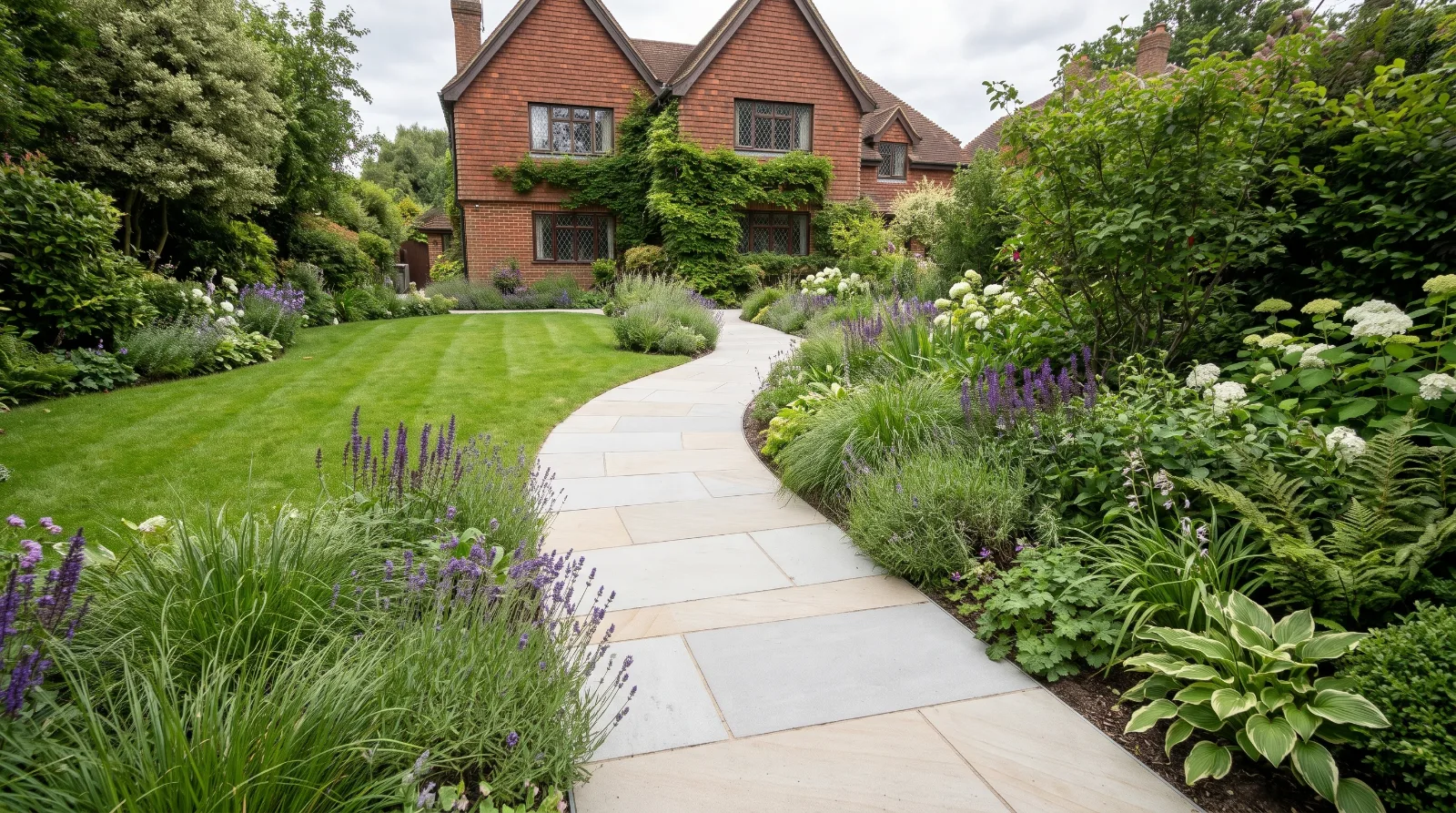
Paths and steps
Decking
Garden walls
Retaining walls
Driveways
Fencing
Raised beds
Pergolas and other garden structures
The materials and installation method will depend on the design and how the area is going to be used.
For example, a patio needs a properly prepared base beneath the finished paving, while decking requires a suitable supporting structure and appropriate ground preparation.
7. Lawns, Planting and Garden Features Are Added
Once the major construction work is complete, the softer elements of the garden can be introduced.
This could mean laying new turf, installing planting beds, adding specimen trees, creating planting schemes or introducing new shrubs and ornamental plants.
Plant selection should take account of the conditions in the garden, including sunlight, soil and available space. Trees and larger plants also need enough room to establish without becoming difficult to manage later.
This stage is often what makes a newly landscaped garden start to feel like a garden rather than a construction project.
8. Lighting and Irrigation Can Be Added
Lighting and irrigation are often planned alongside the main landscaping rather than treated as an afterthought.
Garden lighting can highlight planting, paths, trees, walls and entertaining areas while making the garden more usable in the evening.
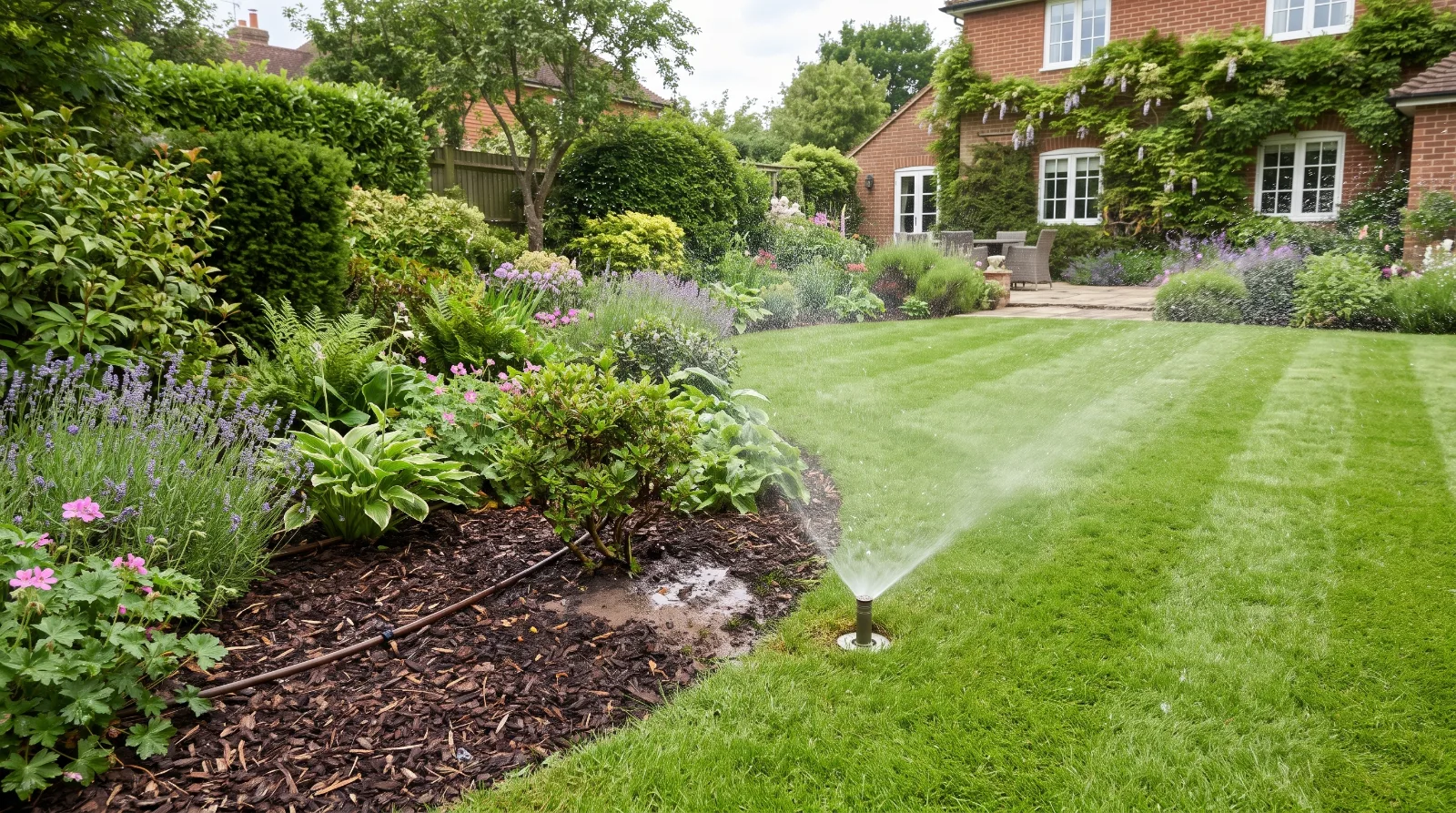
Irrigation can also make watering larger planting areas, lawns and borders much easier. Installing these systems before everything is fully finished can help keep cables, pipes and other components neatly integrated into the design.
9. The Finishing Details Bring Everything Together
The final stage is about making the garden feel complete.
This can include:
Finishing gravel or decorative aggregates
Edging around lawns and borders
Final planting
Mulching
Installing steps and transition areas
Tidying paving joints
Adding furniture or garden features
Cleaning the finished surfaces
Small details can make a big difference. Clean lines, consistent levels and well-defined borders help separate the different areas and make the overall design feel intentional.
How Long Does a Full Garden Transformation Take?
There is no standard timescale for every garden.
A relatively straightforward project with good access and limited structural work may be completed much faster than a large garden involving excavation, retaining walls, drainage, extensive paving and planting.
The size of the garden, the amount of groundworks, chosen materials, access for machinery and weather conditions can all affect the programme.
For that reason, a realistic schedule is normally easier to establish once the garden has been assessed and the scope of work is clear.
What Does a Full Garden Transformation Include?
Every project is different, but a complete transformation can bring several services together:
Area | Examples |
|---|---|
Groundworks | Excavation, levelling, soil preparation and drainage |
Hard landscaping | Patios, paving, decking, walls and steps |
Boundaries | Fencing, gates and screening |
Soft landscaping | Turf, planting schemes, shrubs and trees |
Garden features | Pergolas, seating areas and garden structures |
Services | Lighting and irrigation |
Finishing | Edging, gravel, mulch and final tidy-up |
The biggest advantage of approaching the garden as one complete project is that these elements can be designed and installed to work together rather than being added separately over time.
Can a Full Garden Transformation Add Value to Your Home?
A well-designed garden can improve how a property looks and how the outdoor space is used, but the value of a transformation is not simply about adding features.
A garden that is practical, well laid out and suited to the property can make the outdoor space more useful and enjoyable. The quality of the installation, choice of materials and overall finish will also have an impact.
For homeowners, it is often more useful to think about how the garden will work for everyday life rather than focusing on adding as many features as possible.
A Full Garden Transformation Should Start With the Garden You Have
A successful transformation is not about making every garden look the same.
The best starting point is the existing space, including its size, levels, soil, drainage, sunlight, access and how you want to use it. From there, the design can bring together the right combination of hard landscaping, planting and garden features.
Whether you need a completely new layout or want to transform an outdated garden, careful planning and proper preparation make a significant difference to the finished result.
Need Help With a Garden Transformation in Surrey?
If your garden needs a complete makeover, Surrey Oak Landscapes can help with everything from groundworks and hard landscaping to planting, fencing and garden features.
About the author