What to Do When Grass Won't Grow in a North-Facing Garden
Is grass struggling in your north-facing garden? Discover how to improve light, soil and drainage, repair bare patches with shade-tolerant seed, and choose practical alternatives when a lawn is unlikely to thrive.
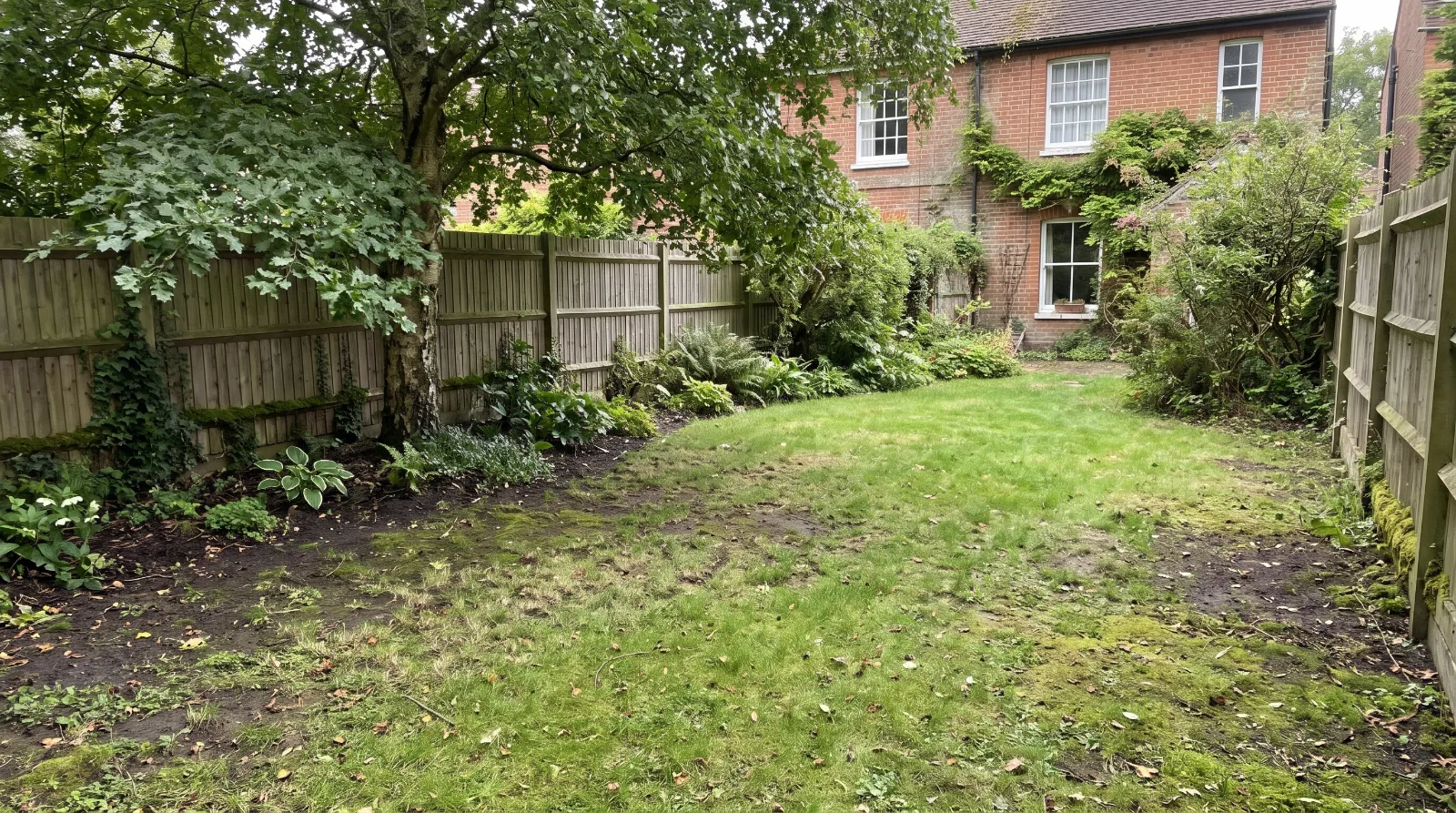
A patchy lawn can be one of the most frustrating problems in a north-facing garden. You reseed bare areas, water regularly and try to keep the grass healthy, only for the same sections to become thin, mossy or completely bare again.
The problem is not always poor lawn care. North-facing gardens often receive less direct sunlight, particularly when they are surrounded by fences, walls, buildings or mature trees. In these conditions, grass may struggle to grow densely, even when you provide the right seed and maintenance.
Fortunately, a struggling lawn does not automatically mean you need to replace the entire garden. By identifying what is preventing the grass from growing, you can improve the conditions, repair suitable areas or consider a more practical alternative.
For homeowners in Surrey, the best approach is to work with the conditions your garden offers rather than repeatedly trying to force grass to grow where it is unlikely to thrive.
Why Won't Grass Grow in a North-Facing Garden?
Before buying more seed or new turf, it helps to understand what is causing the problem. Several factors can contribute to a thin lawn, and more than one may be affecting the same area.
1. Not Enough Sunlight
Sunlight is essential for healthy grass growth. Many common lawn grasses perform best with around four to six hours of direct sunlight daily, although requirements vary between grass types.
A north-facing garden may receive limited direct sunshine, particularly during autumn and winter when the sun sits lower in the sky. Tall fences, neighbouring buildings and mature trees can reduce light levels even further.
Grass in light shade may still grow successfully with the right care and seed mixture. However, where an area remains in deep shade for most of the day, establishing a dense, durable lawn becomes much more difficult.
What to do: Observe the garden at different times of day and identify which areas receive the most light. This can help you determine whether the entire lawn is affected or whether the problem is concentrated beneath trees, along boundaries or beside buildings.
2. Tree Roots Compete for Water and Nutrients
If the grass is particularly thin beneath mature trees or large hedges, limited sunlight may not be the only issue.
Tree roots can compete with grass for moisture and nutrients. The ground beneath a tree canopy may also receive less rainfall, while fallen leaves can cover the grass and restrict light.
This combination can make it difficult for grass to establish, especially during dry summer weather.
What to do: Keep fallen leaves and debris under control, and avoid repeatedly sowing grass directly against large tree trunks. A planted or mulched area around the base of a tree may be more practical than trying to maintain grass there.
Where a mature tree is involved, be careful not to damage its roots while preparing the soil or changing ground levels.
3. The Soil Is Compacted or Waterlogged
Shade can make some gardens slower to dry after rainfall, but soil conditions vary from one property to another. Heavy or compacted soil may hold water for too long, leaving the roots with insufficient air.
Compacted ground can also restrict root development, making it harder for grass to establish. Repeated foot traffic, particularly when the ground is wet, can make the problem worse.
Look for areas where water collects, the surface feels hard underfoot or the lawn becomes muddy after rain.
What to do: Check whether drainage or soil compaction is contributing to the problem. Where compaction is the issue, suitable lawn aeration may help. If the soil remains waterlogged, investigate the underlying drainage problem before reseeding.
Simply adding more grass seed will not solve a persistent drainage issue.
4. The Grass Is Being Cut Too Short
Grass growing in shade often needs more leaf area to capture the available light. Cutting it very short can weaken it and leave the soil more exposed.
Frequent close mowing may therefore contribute to a patchy lawn, especially where growth is already limited by shade.
What to do: Raise the mower setting and mow less frequently. For many shaded lawns, a cutting height of approximately 6–9cm can be beneficial, depending on the grass and conditions. Avoid removing too much growth in a single cut, and collect the clippings rather than leaving thick piles on the lawn.
5. The Grass Seed Is Unsuitable for Shade
Not all grass seed mixtures are designed for the same conditions. A mixture intended for a sunny, heavily used lawn may perform poorly in a shaded garden.
Shade-tolerant mixtures often contain a higher proportion of fescue grasses, which can cope better with lower light levels than some other common lawn grasses. For damp shaded areas, a suitable mixture may contain more fine bent grasses.
However, shade-tolerant does not mean shade-proof. If a lawn receives very little light, changing the seed mixture alone may not deliver the result you want.
What to do: Choose a grass seed mixture specifically intended for the type of shade in your garden, and check the manufacturer's guidance before buying. If the area is persistently dark, consider whether a different surface or planting scheme would work better.
How to Improve a Patchy Lawn in a North-Facing Garden
Once you have identified the likely cause, you can decide which improvements are worth making. In many gardens, a combination of small changes is more effective than a complete lawn replacement.
1. Improve Light Levels Where Possible
If trees or shrubs are casting excessive shade, carefully increasing the amount of light reaching the lawn may improve growing conditions.
Selective crown lifting or thinning can sometimes allow more light through a tree canopy. However, pruning should respect the health, structure and intended form of the tree. A qualified tree professional can advise on what is suitable, particularly for mature specimens.
Other potential improvements include reducing unnecessary shade from overgrown shrubs or reconsidering planting that sits directly over the most difficult lawn areas.
Do not remove a healthy tree simply to improve the lawn without considering its value to the garden, the local environment and any relevant restrictions.
2. Aerate Compacted Soil
Aeration creates openings in compacted soil, helping improve air movement and allowing water to enter the ground more effectively.
For a lawn with compacted soil, appropriate spiking or hollow-tine aeration may help. The correct method depends on the soil condition and how severe the compaction is.
Avoid working on soil that is saturated or frozen, as this can worsen the surface condition. If the lawn is waterlogged because of an underlying drainage problem, aeration alone may not be sufficient.
After improving the soil, reassess the area before applying seed or laying new turf.
3. Repair Bare Patches with Shade-Tolerant Seed
If the lawn still receives reasonable daylight and the underlying soil issues have been addressed, repairing bare patches may be worthwhile.
The general process is straightforward:
Remove fallen leaves, moss and loose debris from the affected area.
Loosen the surface carefully without damaging nearby tree roots.
Improve the seedbed where necessary, using a suitable approach for the soil type.
Sow a shade-tolerant grass mixture according to the product instructions.
Keep the seedbed appropriately moist while the grass establishes, without leaving it waterlogged.
Avoid heavy foot traffic until the new grass has developed sufficiently.
The best results usually come from sowing when conditions are suitable for germination and establishment, commonly during spring or early autumn. Avoid sowing when the ground is frozen, waterlogged or likely to dry out rapidly.
If the same patch repeatedly fails despite sensible preparation, reconsider whether light levels or root competition make grass an appropriate choice for that location.
4. Adjust Watering and Feeding
A shaded lawn should not automatically be treated as a lawn that needs more water.
Areas beneath trees can become surprisingly dry during summer because tree roots compete for available moisture. Other shaded sections may remain damp for extended periods.
Check the soil before watering and respond to the actual conditions. Where the ground is dry, watering thoroughly but less frequently can encourage deeper rooting. Where the soil is already wet, additional watering is unlikely to help.
Feeding should also be appropriate to the season and the lawn's condition. Follow the instructions for a suitable lawn feed rather than applying excessive fertiliser in an attempt to compensate for a lack of sunlight.
Healthy soil and sensible maintenance can improve the lawn's resilience, but they cannot remove the limitations created by deep shade.
What If Grass Still Won't Grow?
Sometimes, the most practical solution is to stop treating every bare patch as a failed lawn.
If the area receives very little sunlight, lies beneath a dense evergreen canopy or is heavily affected by established tree roots, repeated reseeding may cost more time and money than choosing another surface.
There are several alternatives that can make a north-facing garden attractive and usable.
Create a Shade-Tolerant Planting Border
Instead of struggling to maintain grass beneath trees or along a gloomy boundary, turn the area into a planted border.
Ferns, bergenia, hardy geraniums and other shade-tolerant plants can introduce foliage, texture and seasonal interest. The best choices depend on the amount of light, soil moisture and competition from nearby roots.
Under mature trees, planting can be challenging too, so select plants suited to the actual conditions and avoid extensive digging that could damage roots.
A carefully designed border can make a difficult area look intentional rather than unfinished.
Use Ground Cover Plants
Low-growing ground cover can help cover bare soil in suitable shaded areas. Depending on the conditions, options may include selected hardy perennials or spreading evergreen plants.
Choose carefully: some ground covers spread aggressively, and not all tolerate dry soil beneath trees. Allow enough room for the plants to establish, and consider how easily the area can be maintained.
Ground cover is generally more suitable for areas with light foot traffic than for routes used regularly.
Add a Path or Patio
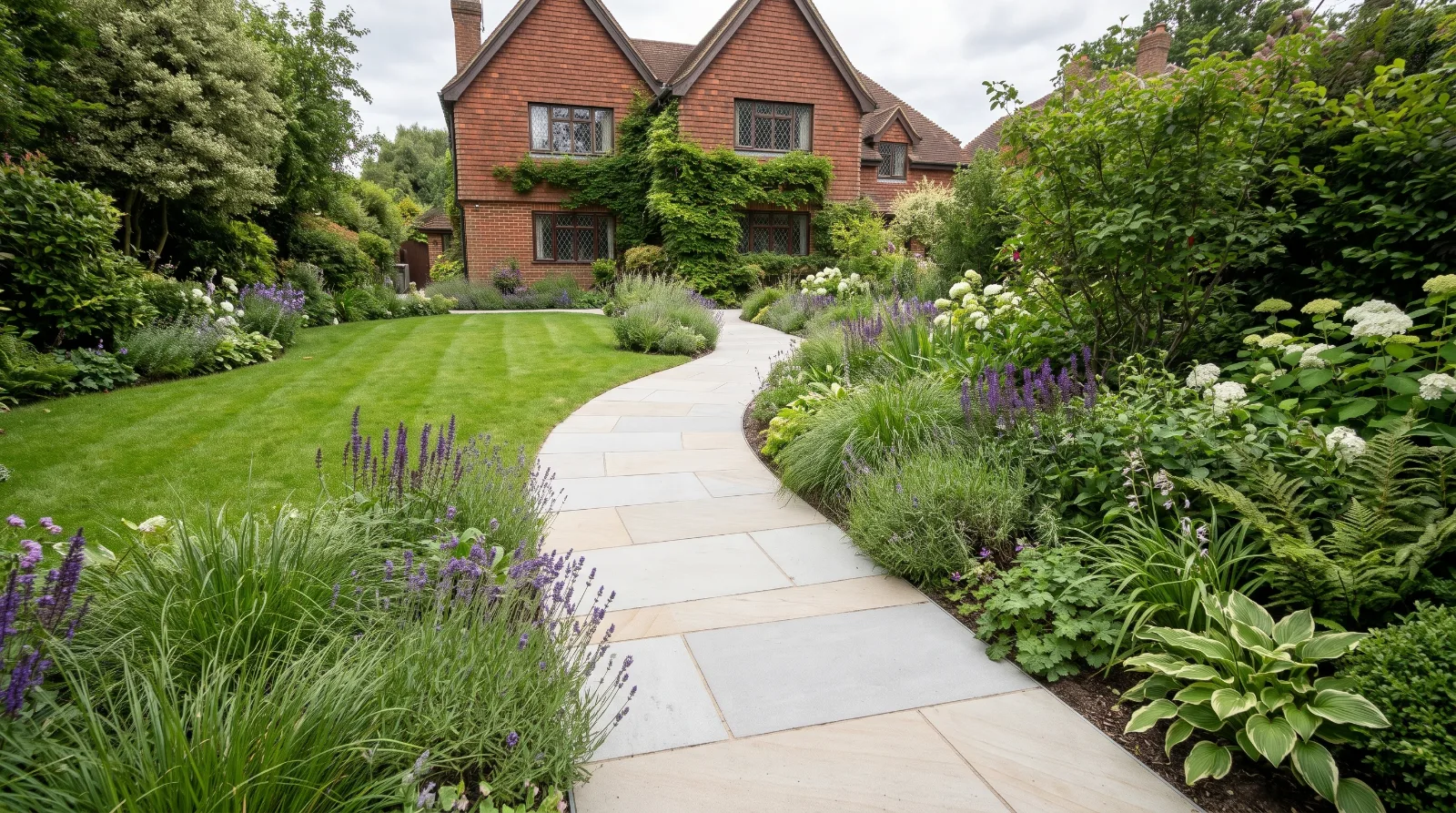
If the lawn repeatedly fails along a main route or beside the house, a paved path or small patio may be more practical.
A path can connect different areas of the garden, while a patio can provide a usable seating area without depending on grass. Suitable paving, well-planned drainage and carefully positioned planting can make a shaded garden feel more structured and complete.
The surface should be designed for the site conditions, particularly where the ground tends to remain damp. Choosing appropriate materials and ensuring water drains correctly will help the finished area remain practical.
Create a Defined Tree Base
If the grass struggles directly beneath a mature tree, consider creating a clear area around the trunk and incorporating mulch or suitable shade planting.
A turf-free zone reduces competition between the lawn and tree while making maintenance easier. Keep mulch away from direct contact with the trunk and avoid raising the soil level over the tree's root zone.
This can be a simple way to improve the appearance of a lawn without repeatedly trying to grow grass in the most difficult spot.
When Is It Worth Replacing the Lawn?
Reseeding and targeted repairs may be enough when most of the lawn remains healthy and only a few shaded patches are affected.
A larger renovation may be worth considering when the grass has deteriorated across much of the garden, the soil needs substantial improvement or the existing layout no longer suits the way you use the space.
Before replacing the lawn, assess the reasons it has failed. Laying new turf over the same compacted, poorly drained or excessively shaded ground may only recreate the problem.
A better approach might involve improving the soil, changing the lawn layout, reducing shade where appropriate or combining grass with planted borders and paved areas.
The aim is not necessarily to create an uninterrupted expanse of lawn. It is to develop an outdoor space that works with the property's conditions and remains manageable over time.
Improve Your North-Facing Garden with Surrey Oak Landscapes
A north-facing garden can still be attractive, practical and full of greenery, even when maintaining a traditional lawn proves difficult. The key is understanding whether the problem comes from low light, soil conditions, tree-root competition or a combination of factors.
At Surrey Oak Landscapes, we provide landscaping and garden design services to help homeowners make better use of their outdoor spaces. Whether your garden needs lawn repairs, redesigned planting borders, new paving or a more complete transformation, the right approach starts with understanding the site.
Struggling with a patchy lawn in your Surrey garden?
About the author