What Adds the Most Value to a Garden?
Which garden improvements are worth investing in? Explore the features that can make a garden more attractive, practical and appealing while adding value to your home.
When homeowners think about adding value to their property, the garden is often overlooked. Yet a well-planned outdoor space can make a home more attractive, more practical and more enjoyable to live in.
There is no single garden feature that guarantees an increase in property value. What works well for one home may not make sense for another. The size of the garden, the location of the property, the quality of the work and how practical the finished space is all matter.
So, what actually adds value to a garden?
A Well-Designed Garden Layout
Before adding individual features, it is worth getting the overall layout right.
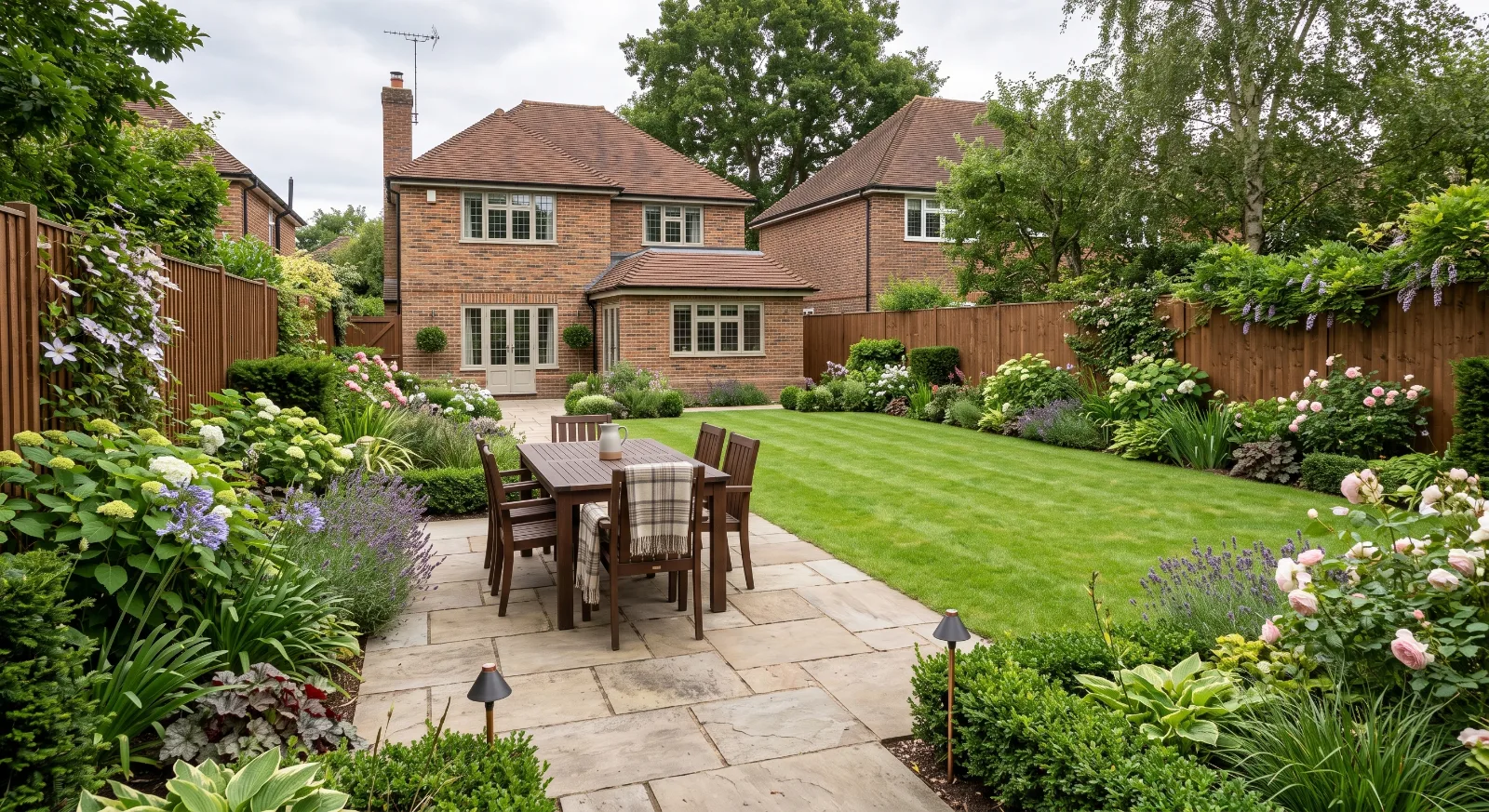
A garden with clearly defined areas can feel much more useful than one large, disconnected space. For example, a well-planned design could include a patio for dining, a lawn for open space, planting borders for greenery and a separate area for relaxing.
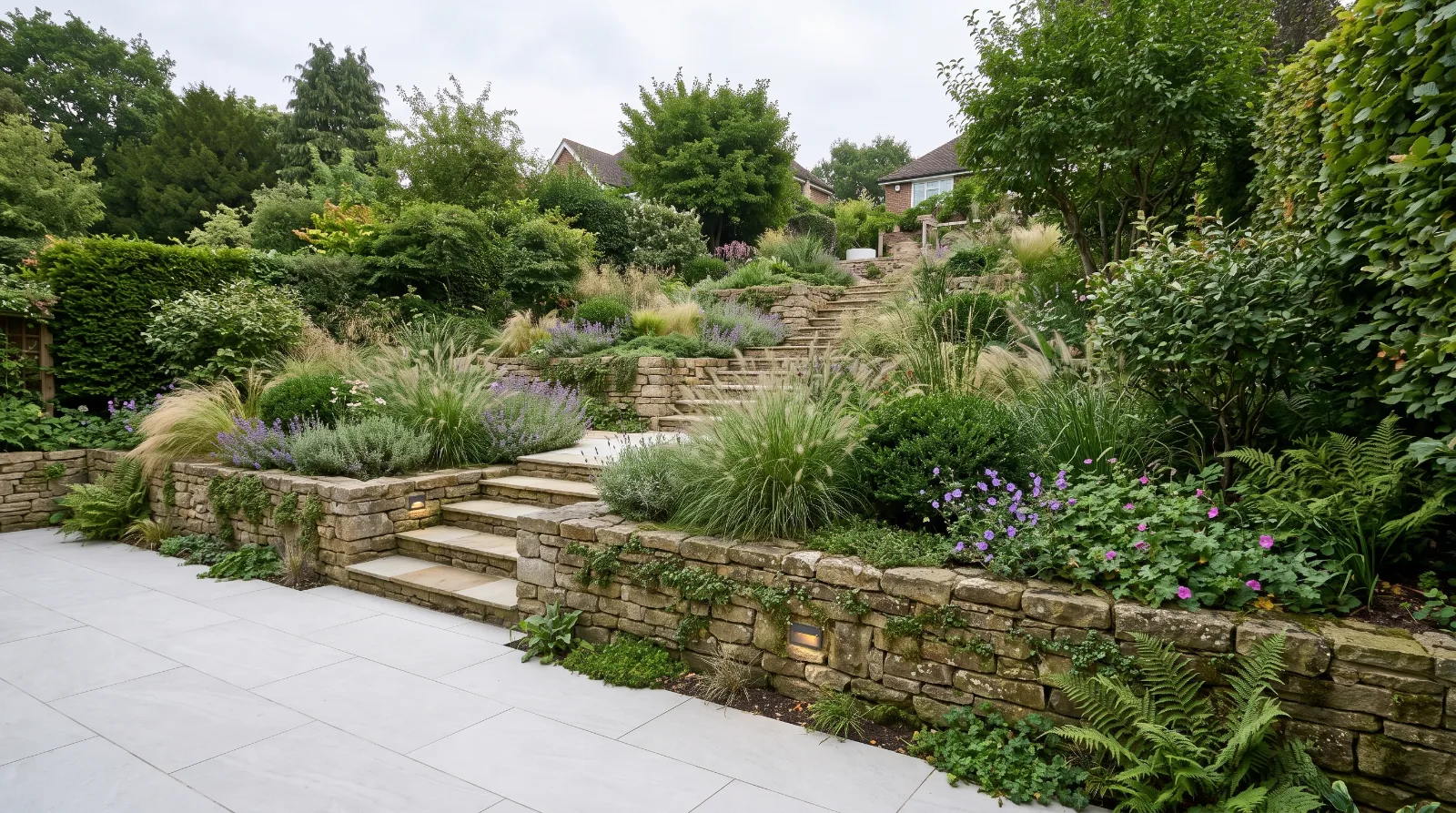
Good garden design can also make a garden feel larger and easier to navigate. Paths, changes in level, planting and hard landscaping can all be used to create a natural flow through the space.
A thoughtful layout is often more valuable than simply adding more features.
A High-Quality Patio or Outdoor Living Area
A patio can significantly improve how a garden is used.
A well-positioned seating or dining area creates somewhere to eat, relax and entertain during warmer months. The choice of paving, layout, edging and surrounding planting can make the area feel like a natural extension of the house.
For properties where outdoor entertaining is important, combining a patio with features such as a pergola, outdoor kitchen or suitable lighting can create a much more functional space.
The key is proportion. A patio that takes up almost the entire garden may reduce its usability rather than improve it.
Privacy From Neighbours
Privacy is one of the most important considerations when designing an outdoor space.
A garden can be beautifully landscaped, but if it is heavily overlooked, homeowners may not use it as much as they would like.
Privacy can be improved in several ways, including:
Privacy solution | Best suited to |
|---|---|
Taller fencing | Creating an immediate boundary |
Trees and shrubs | A softer, greener screen |
Climbing plants | Adding height to existing structures |
Screening panels | Specific overlooked areas |
Layered planting | Creating privacy without a solid barrier |
The best solution depends on the garden. In some cases, combining fencing with planting creates a more natural result than relying on a tall boundary alone.
Good Fencing and Defined Boundaries
Fencing is not usually the first thing people think about when discussing garden value, but damaged, outdated or poorly maintained boundaries can make an otherwise attractive garden feel unfinished.
Replacing worn fencing, repairing damaged sections and choosing a style that suits the property can make a noticeable difference to the overall appearance.
A good boundary should also provide the level of privacy and security the garden needs without making the space feel enclosed.
A Healthy, Well-Maintained Lawn
A lawn gives a garden a sense of open space and can help balance areas of paving and planting.
It does not necessarily need to be large. What matters is that it is healthy, properly maintained and appropriate for the way the garden is used.
For an existing lawn that is uneven, worn or difficult to maintain, replacing it with new turf or redesigning part of the garden may create a much greater improvement than continually trying to repair a poor-quality lawn.
In smaller gardens, reducing the size of the lawn can also create room for more useful planting or seating areas.
Attractive and Well-Planned Planting
Planting can dramatically change the appearance of a garden without relying entirely on hard landscaping.
A good planting scheme can introduce colour, texture, seasonal interest and structure. Trees, shrubs, grasses and flowering plants can also help soften patios, walls and fencing.
The important part is choosing plants for the conditions of the garden rather than selecting them purely because they look good in a photograph.
Consider sunlight, soil, available space and how much maintenance the garden can realistically handle.
A smaller number of well-chosen plants can often create a stronger result than filling every border with different species.
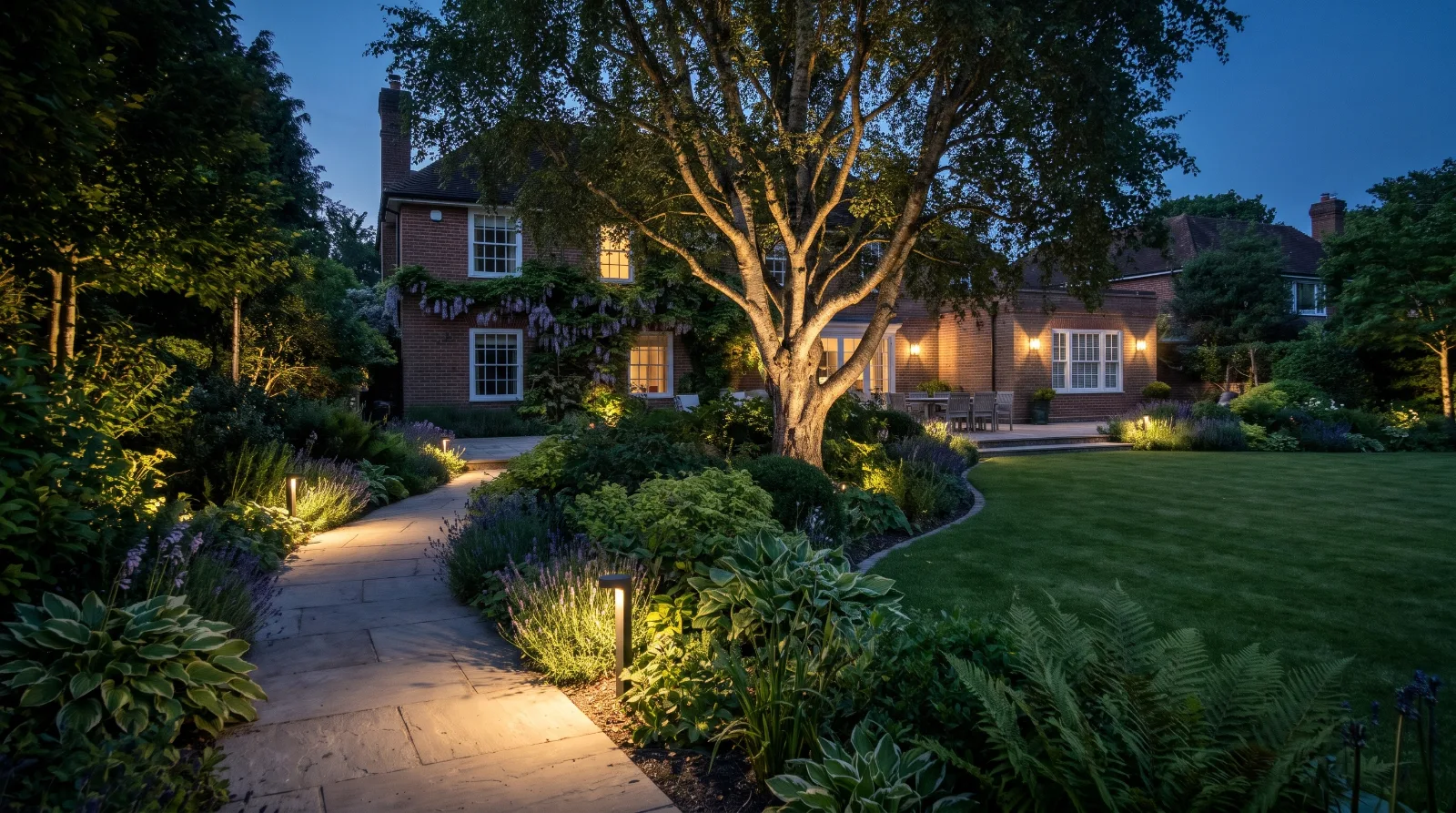
Garden Lighting
Good garden lighting can extend how much of the garden can be enjoyed after dark.
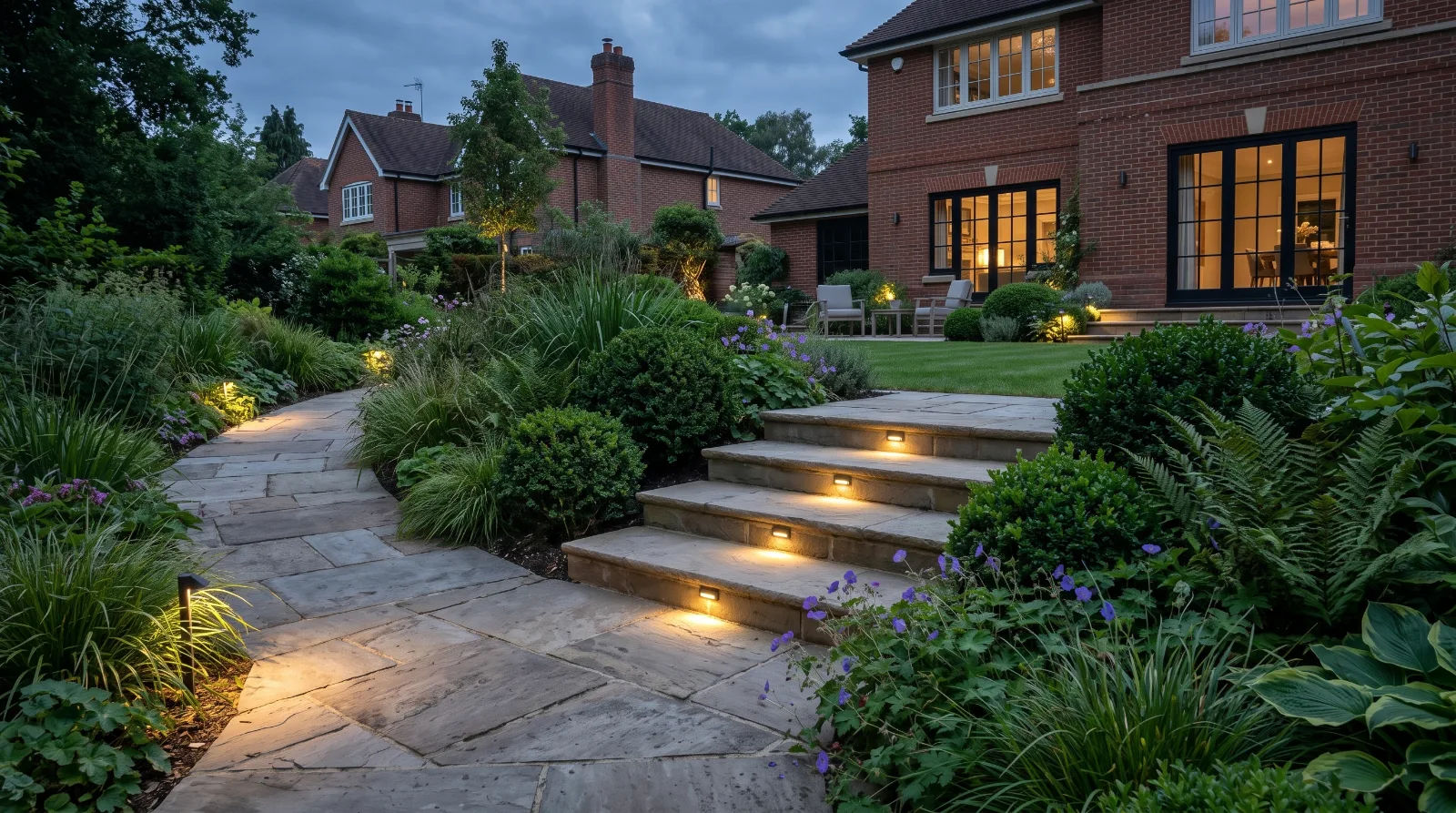
Rather than simply making the entire garden brighter, lighting can be used to highlight specific features such as steps, paths, trees, planting, walls and entertaining areas.
Well-positioned lighting can also improve the connection between the house and garden in the evening.
It works particularly well when it is considered as part of the overall garden design rather than added after everything else has been completed.
A Garden Room or Other Useful Structure
A garden room can provide additional usable space for an office, gym, studio, hobby room or flexible living space.
However, the quality and position of the building matter. A large structure that dominates a small garden may not be the best use of the available space.
A garden room should work with the proportions of the garden and have a practical relationship with the house, paths and surrounding landscaping.
Other structures, such as pergolas or covered seating areas, can also add useful outdoor space without taking up the same footprint as a fully enclosed building.
Low-Maintenance Landscaping
A garden that looks good but requires constant maintenance may not suit every homeowner.
Low-maintenance design can make a garden easier to manage by combining suitable planting with practical surfaces, clear borders and well-planned layouts.
This does not mean removing all planting and turning the entire garden into paving. It is about choosing elements that are realistic to look after.
For many homeowners, having a garden that remains attractive without requiring hours of maintenance every week is a valuable improvement.
What About Swimming Pools and Expensive Features?
Large features can make a garden impressive, but expensive does not always mean more valuable.
A swimming pool, outdoor kitchen or large garden room may be exactly what one homeowner wants, while another buyer may see additional maintenance or running costs.
The same applies to highly specialised features that are designed around one particular lifestyle.
Before investing heavily, consider whether the feature improves the garden as a whole and whether it is appropriate for the property.
Where Should You Spend Your Money?
If you are working with a fixed budget, it can be tempting to spend most of it on one standout feature.
A better approach is often to build a strong foundation first.
Priority | What to focus on |
|---|---|
1 | Garden layout and levels |
2 | Quality groundworks and drainage |
3 | Main patio, paths or decking |
4 | Fencing and privacy |
5 | Lawn and planting |
6 | Lighting and additional features |
A beautifully designed pergola will not compensate for poor drainage, an unstable patio or an awkward garden layout.
Getting the fundamentals right usually creates a more successful result.
Does Landscaping Always Add Property Value?
There is no guaranteed return from a particular garden improvement.
Property value depends on many factors beyond the garden itself, including the location, size and condition of the home and the expectations of potential buyers.
The safest approach is to create a garden that is well designed, practical, attractive and appropriate for the property.
That way, the garden has value even if you are not planning to sell immediately.
The Best Garden Improvements Add Practical Value Too
The most worthwhile garden improvements are not necessarily the most expensive ones.
A well-planned patio, attractive planting, good privacy, a usable lawn, quality fencing and effective lighting can all contribute to a garden that feels more complete.
The biggest difference often comes from how these elements work together.
Instead of asking which single feature will add the most value, it is better to ask:
Does this improvement make the garden more useful, more attractive and better suited to the property?
When the answer is yes, you are much more likely to end up with a garden that adds genuine value to the home and the people living in it.
Need Help Improving Your Garden in Surrey?
Whether you are looking for a complete redesign or want to improve specific parts of your outdoor space, Surrey Oak Landscapes can help with garden design, planting, hard landscaping, lighting, garden rooms and outdoor living.
About the author