Swimming Pool Maintenance: What to Expect Throughout the Year
Find out what swimming pool maintenance involves throughout the year, including seasonal cleaning, water care, equipment checks and winter preparation.

A swimming pool can become the centrepiece of a Surrey garden, but keeping it clean, safe and ready to use takes more than a quick tidy-up before summer.
Outdoor pools need attention throughout the year, although the jobs change with the seasons. Spring is about getting everything ready for use, summer is about keeping water and equipment in good condition, autumn brings more debris and preparation, and winter is focused on protecting the pool and its equipment.
Understanding what needs to be done and when makes pool maintenance much easier to manage.
The Essential Parts of Pool Maintenance
Although every pool is different, regular maintenance generally comes down to five areas:
Water quality — checking and maintaining the water according to the requirements of your treatment system.
Cleaning — removing leaves, dirt and other debris from the water and pool surfaces.
Filtration and circulation — making sure pumps, filters and circulation equipment are working properly.
Equipment checks — keeping an eye on heaters, cleaners, covers, dosing equipment and other components.
Seasonal preparation — preparing the pool for summer use and protecting it when temperatures fall.
The exact requirements depend on the pool, equipment and treatment system, so manufacturer instructions should always take priority.
Spring: Getting the Pool Ready for Summer
After the colder months, spring is the time to bring the pool back into normal operation.
The aim is simple: clean everything, check everything and make sure the pool is ready before regular use begins.
Remove the Winter Cover
Carefully remove the winter cover and clean it before storing it according to the manufacturer's instructions.
This is also a good opportunity to check the cover for tears, worn fittings or other damage before putting it away.
Clean the Pool
Remove any leaves and debris that have collected over winter, then clean the pool floor and walls as necessary.
The waterline can also develop a build-up over time, so spring is a good opportunity to give it a thorough clean.
Check the Equipment
Before regular swimming begins, check that the main pool equipment is operating properly.
This can include the:
Pump
Filter
Heater
Pool cleaner
Automatic dosing equipment
Valves and controls
If the system was drained or disconnected for winter, it should be recommissioned according to the manufacturer's instructions.
SPATA's guidance recommends checking filtration, heating and cleaning equipment during spring recommissioning, as well as cleaning the pool and checking the water before returning to the usual swimming-season routine.
Test the Water
Once the circulation system is running, test the water and adjust it according to the requirements of your particular treatment system.
Do not assume that water which looks clear is automatically balanced. pH, disinfectant levels and other water-quality factors all play a role in maintaining suitable pool water.
Summer: Keeping the Pool in Good Condition
Summer is when the pool sees the most use, so maintenance becomes more regular.
More swimmers, warmer weather, sunlight and increased debris can all affect the condition of the water.
Stay on Top of Water Quality
Regular testing is one of the most important parts of summer pool care.
Follow the testing and treatment schedule recommended for your pool and use the correct products for your system.
If the water becomes cloudy, changes colour or develops an unusual smell, investigate the cause rather than simply adding more chemicals.
Keep the Pool Clean
Leaves, grass, insects and other debris should be removed regularly.
Skimming the surface takes only a few minutes, but it prevents debris from sinking and putting additional strain on the filtration system.
Pool surfaces should also be brushed or vacuumed as required, with particular attention to the waterline where deposits can build up.
Look After the Filter
The filtration system has a major role in keeping the water clear.
Check the filter regularly and clean or backwash it according to the type of system and manufacturer's recommendations.
If the filter is becoming blocked or circulation appears weaker than usual, investigate the cause rather than allowing the problem to continue.
Poor filtration and circulation can contribute to water-quality problems and make it more difficult to maintain effective treatment.
Keep an Eye on the Water Level
Hot weather, evaporation and normal pool use can all reduce the water level.
Check it regularly and top it up when necessary, keeping the level within the range recommended for your pool and circulation system.
Maintain the Pool Surrounds
Summer maintenance should not stop at the edge of the water.
The surrounding patio, paving and planting areas should also be kept clean and tidy. Dirt, leaves and organic debris can quickly make an otherwise well-maintained pool area look neglected.
For landscaped gardens, keeping nearby planting under control can also help reduce the amount of leaves and debris reaching the pool.
Autumn: Managing Leaves and Preparing for Colder Weather
Autumn changes the maintenance routine considerably.
Falling leaves can become a constant source of debris, while cooler temperatures mean it is time to start thinking about winter.
Deal With Falling Leaves
If your pool is close to trees or hedges, regular leaf removal becomes particularly important.
Do not allow large amounts of organic debris to remain in the water for long periods. Use the pool cover when appropriate and keep skimmer baskets clear.
Inspect the Pool Before Winter
Autumn is a useful time to look over the entire installation while everything is still accessible.
Check the condition of the:
Pool cover
Pump and filter
Heater
Pool cleaner
Pipework
Valves and visible fittings
If something needs repairing or servicing, dealing with it before winter can avoid discovering the problem when the pool is reopened months later.
Continue Looking After the Water
The end of summer does not mean water maintenance can simply stop.
The pool should continue to be treated appropriately until winterisation takes place. SPATA notes that water should remain correctly balanced and disinfected right up until the pool is winterised.
Choose the Right Time to Winterise
There is no single date that applies to every outdoor pool.
The timing will depend on the weather, water temperature, pool equipment and whether the pool will be completely shut down or kept running with frost protection.
The important thing is to prepare before freezing conditions create a risk to the system.
Winter: Protecting the Pool and Equipment
Winter is less about regular swimming and more about preventing damage while the pool is out of use.
Winterise the Pool Properly
Depending on the system, winterisation can involve:
Cleaning the pool
Treating the water
Adjusting the water level where appropriate
Protecting pipework from freezing
Preparing pumps and filtration equipment
Protecting the heating system
Fitting a winter cover
The correct procedure varies between installations, so it is important to follow the specific requirements of the equipment.
SPATA warns that freezing water can damage pipes, heaters, filters and other components, making proper winterisation an important part of protecting an outdoor pool.
Don't Completely Forget About the Pool
Winterisation reduces the amount of work needed, but it does not necessarily mean the pool can be ignored until spring.
The cover should still be checked, particularly after strong winds or heavy weather, and the water should be monitored according to the winterisation method being used.
It is also worth planning any servicing or repairs during the winter shutdown, so the pool is ready before the next swimming season.
Never Empty an Outdoor Pool Without Advice
One important point for homeowners is that an outdoor pool should not simply be emptied without understanding the risks.
Groundwater pressure can potentially affect an empty pool structure, particularly with certain types of pool construction.
SPATA advises seeking professional advice before completely emptying an outdoor pool.
What Can You Do Yourself?
A lot of everyday maintenance can be handled by a homeowner.
For many pools, that includes surface skimming, removing debris, emptying baskets, cleaning surfaces and carrying out routine water tests.
The jobs that become more complex are those involving equipment, electrical systems, pipework, heating or major water-quality problems.
Knowing where that line is can save both time and unnecessary damage.
When Should You Call a Professional?
Professional help is worth considering when a problem goes beyond normal cleaning and routine checks.
This could include:
Persistent cloudy or green water
If cleaning and normal water treatment are not solving the problem, there may be an issue with filtration, circulation or water balance.
Equipment faults
Unusual pump noises, weak circulation, heater problems or filter issues should be investigated rather than ignored.
Suspected leaks
A noticeable or unexplained drop in water level can have several causes and may require specialist investigation.
Winterisation and recommissioning
If you are unsure how to safely prepare or restart the system, professional servicing can reduce the risk of equipment or frost damage.
Electrical or plant-room work
Specialist equipment and electrical components should be dealt with by appropriately qualified professionals.
Don't Forget the Garden Around the Pool
A pool rarely exists in isolation.
The landscaping around it has a major effect on how the space looks, how easy it is to maintain and how enjoyable it is to use.
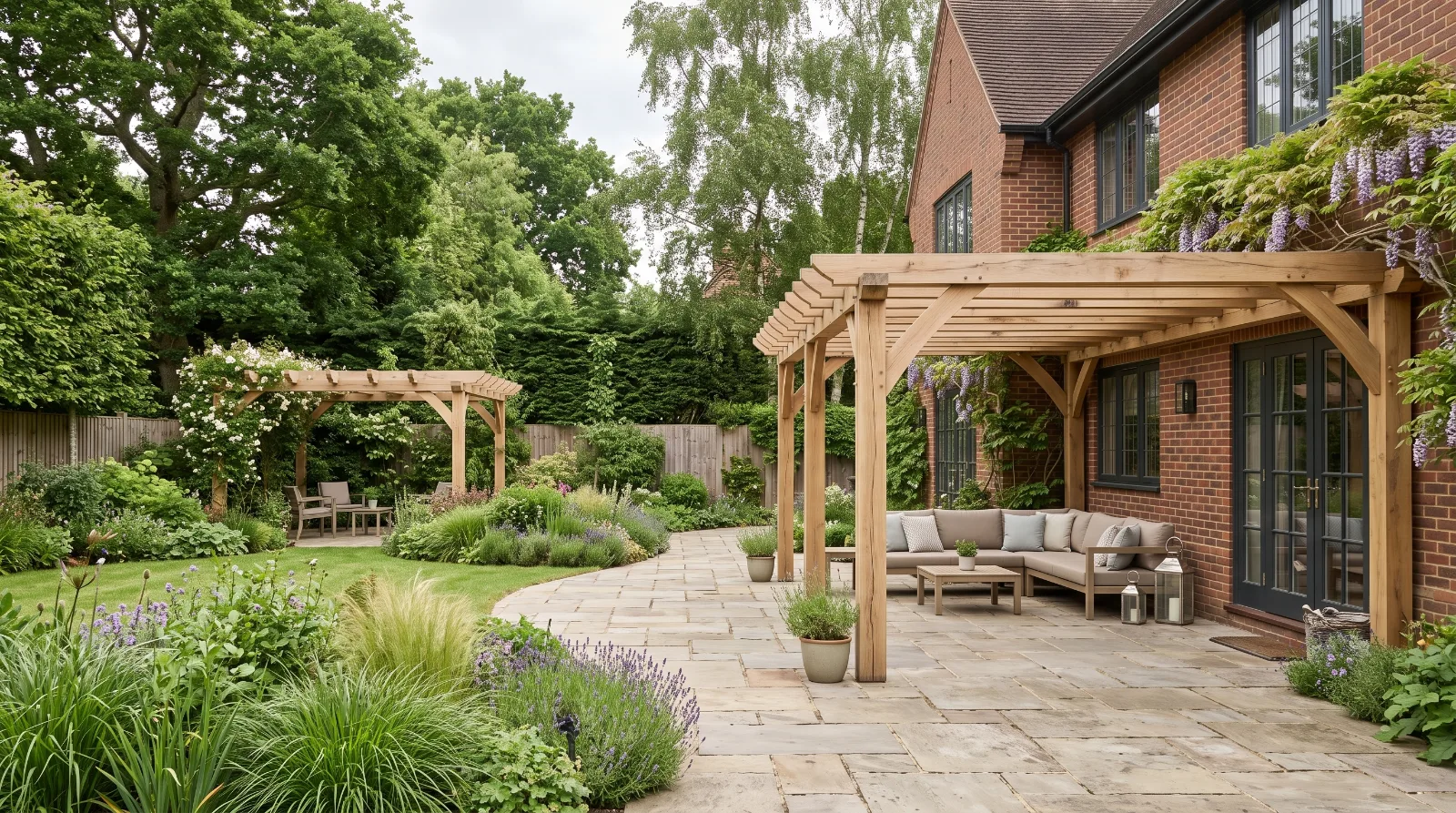
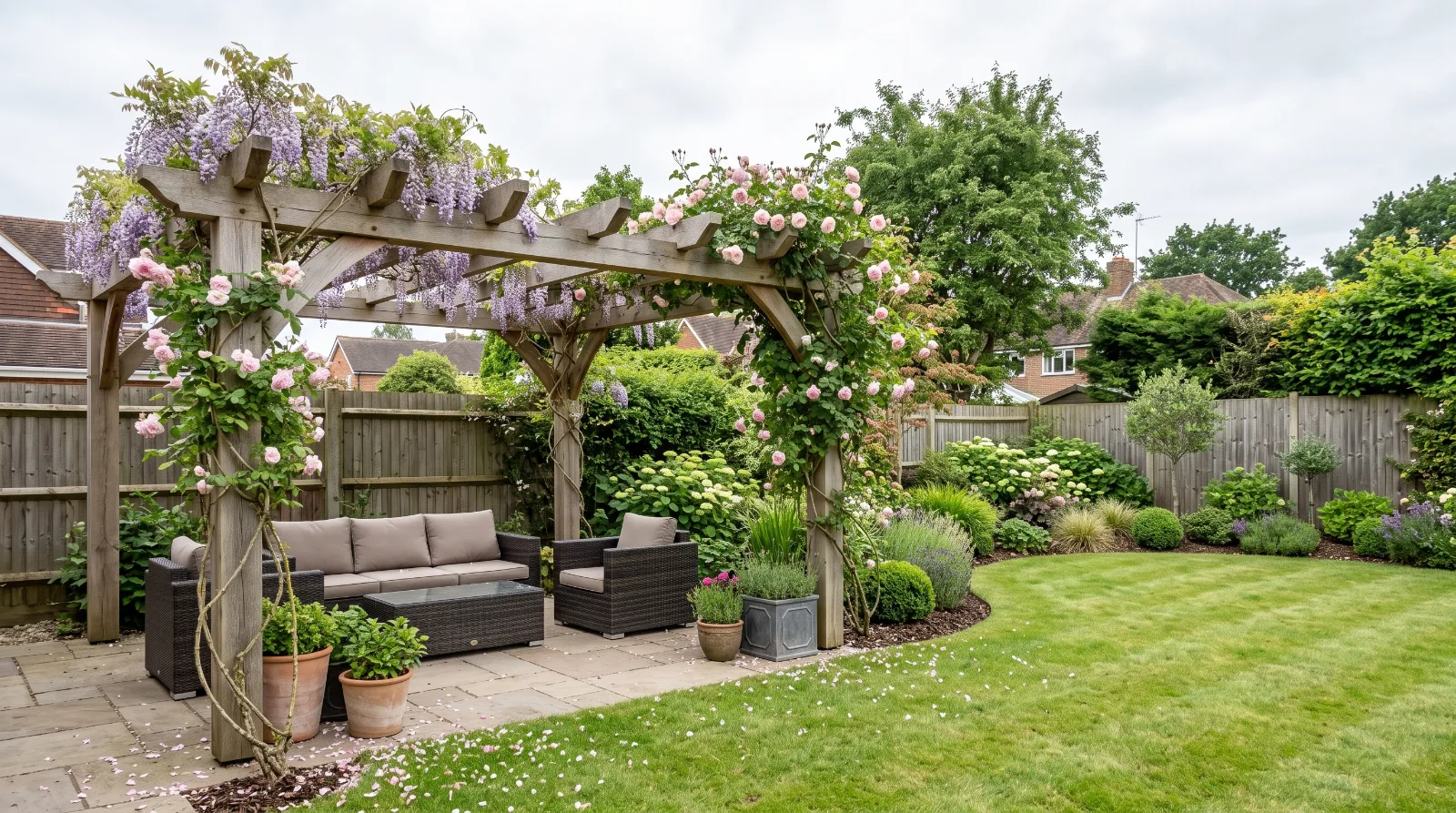
Paving needs to be practical around wet areas. Planting should complement the pool without creating excessive debris. Drainage needs to be considered carefully, while lighting and irrigation can make the space work just as well in the evening as it does during the day.
This is particularly important when a pool forms part of a larger garden transformation.
Rather than treating the pool as a separate feature, the surrounding patio, planting, lawn, lighting and other landscaping can all be designed to work together.
A Simple Year-Round Approach
The easiest way to manage pool maintenance is to think of it as a cycle rather than a single seasonal job.
Spring is about cleaning, checking and recommissioning.
Summer is about regular water care, cleaning and filtration.
Autumn is about managing debris and preparing for colder weather.
Winter is about protecting the pool, equipment and surrounding area.
Keeping up with smaller jobs throughout the year is generally much easier than leaving everything until a major problem develops.
Make Your Pool Part of the Garden
A well-maintained pool is only one part of a great outdoor space. The landscaping around it can make the difference between a pool that simply sits in the garden and one that feels properly integrated into it.
At Surrey Oak Landscapes, we can help create the garden surrounding your pool with carefully considered patios and paving, planting, garden lighting, irrigation and other landscaping features.
Whether you're planning a new pool area or giving an existing garden a complete makeover, our team can help bring the wider outdoor space together.
Ready to transform your garden?
About the author