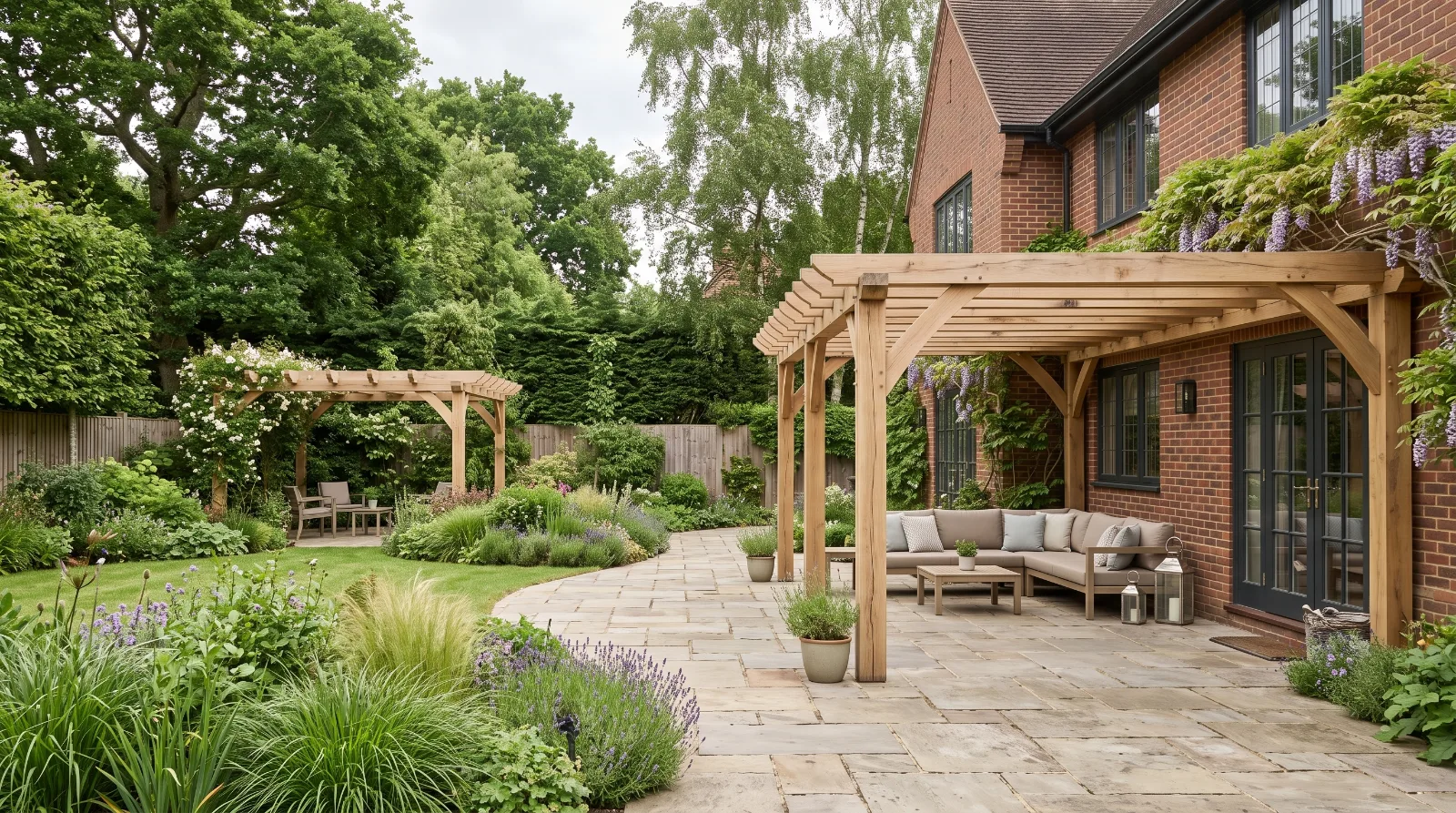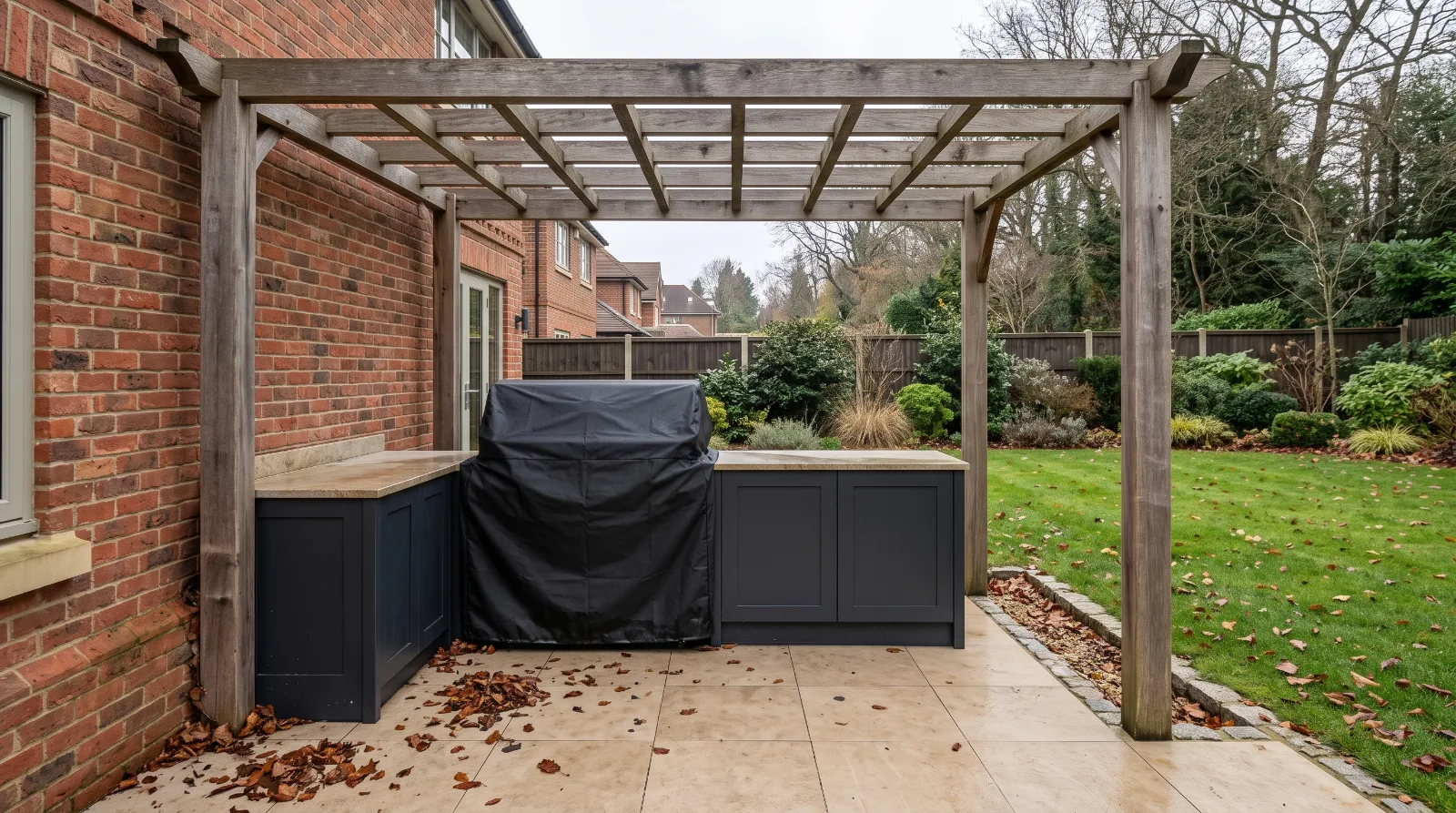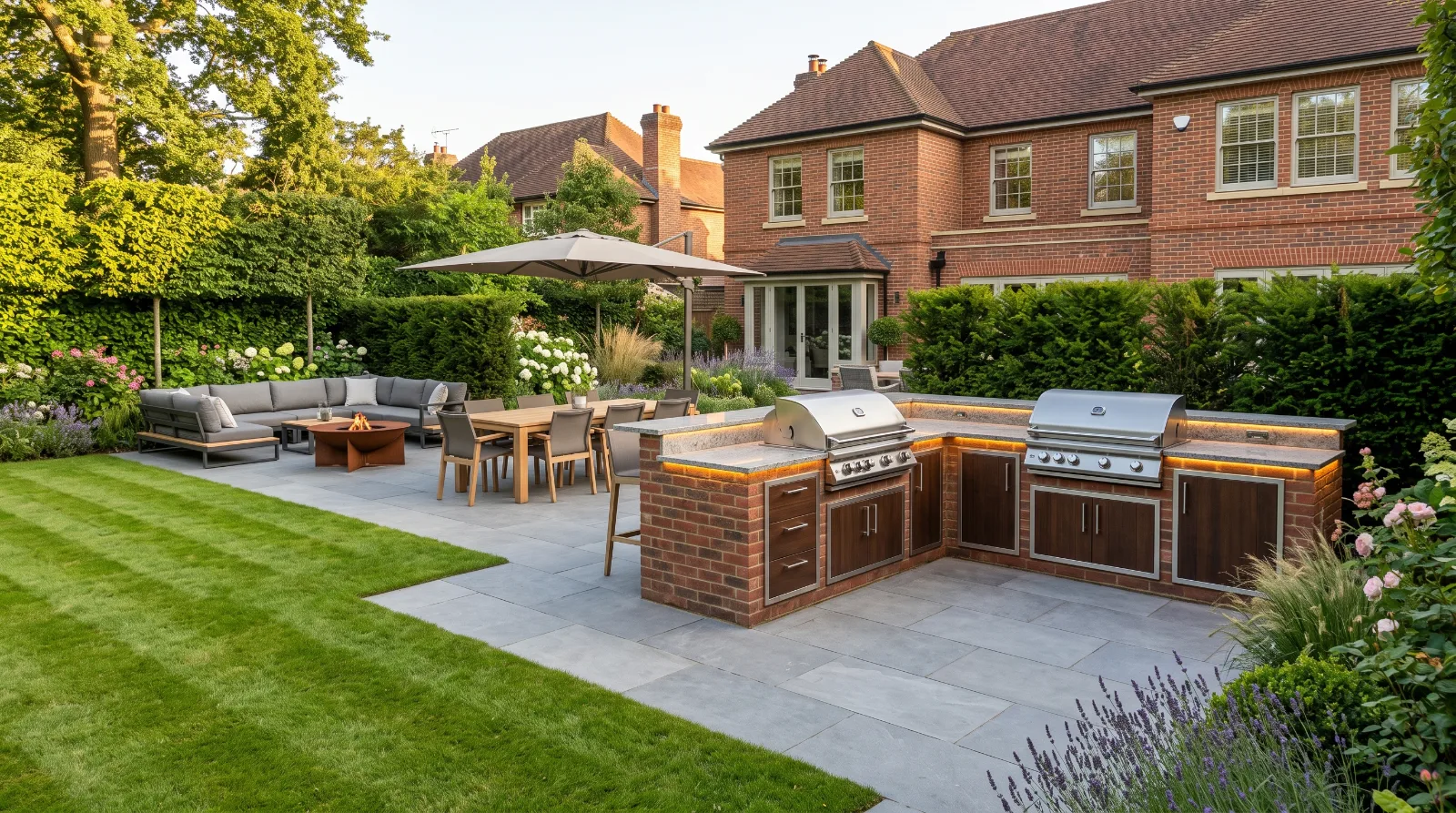
What Are the Best Climbing Plants for a Pergola?
Learn how to choose climbing plants for your pergola, with options for fragrant flowers, evergreen foliage, seasonal colour and natural shade.
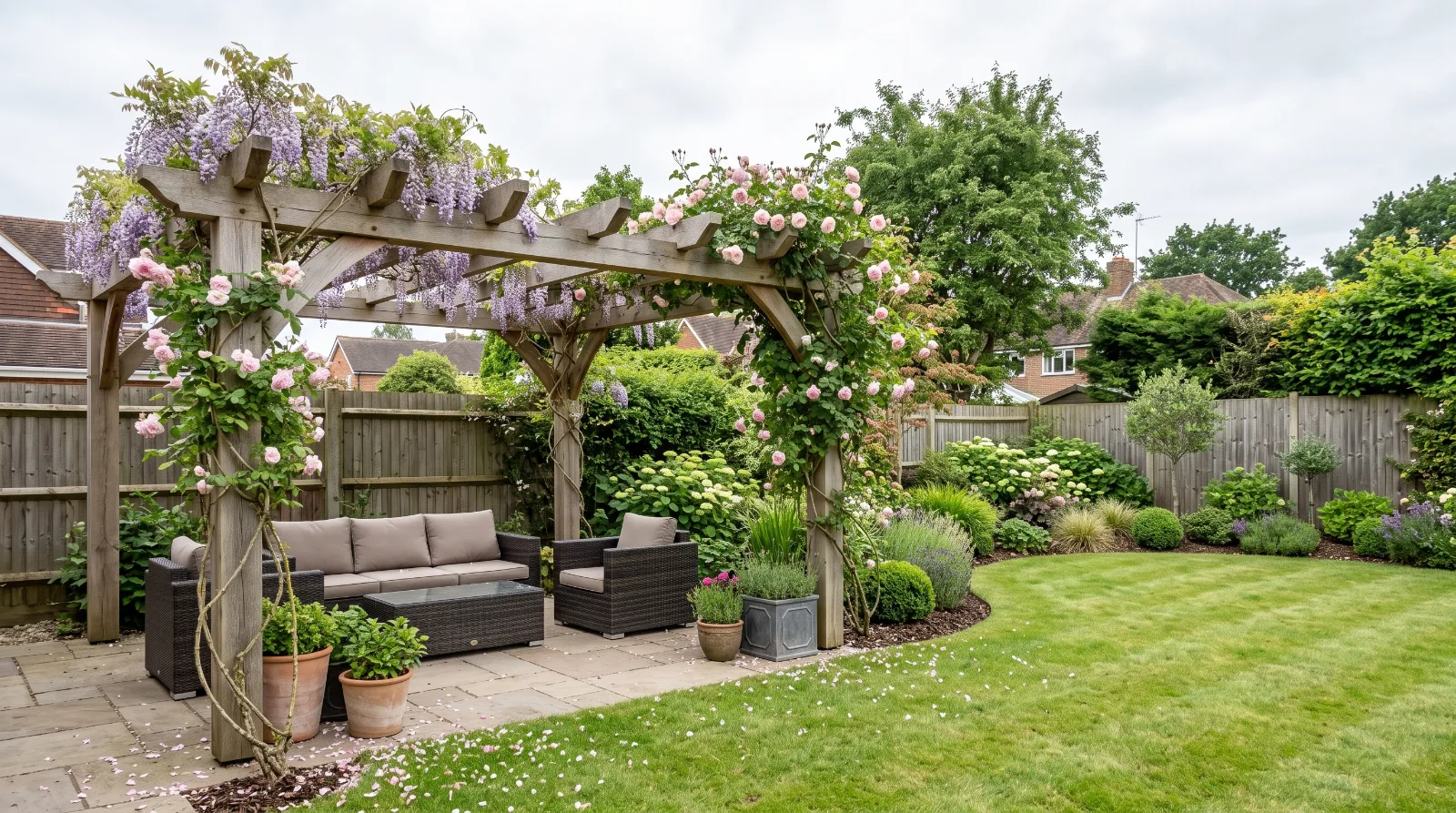
A pergola can provide shade, define an outdoor seating area and create a natural focal point in the garden. Adding climbing plants can make the structure even more attractive, bringing flowers, fragrance and greenery into the space while helping it feel connected to the surrounding landscape.
However, not every climber is suitable for every pergola. Some plants produce spectacular flowers but need regular pruning, while others provide evergreen foliage or attract pollinators throughout the warmer months. The right choice depends on the amount of sunlight, the strength of the structure and how much maintenance you are prepared to undertake.
Whether you have a traditional timber pergola or a contemporary outdoor living area, the following climbing plants are worth considering for gardens in Surrey and across the UK.
1. Wisteria: For Beautiful Cascades of Flowers
Wisteria is one of the most striking choices for a pergola. Its long, hanging clusters of flowers create an elegant display in spring, while the twisting woody stems and green foliage provide plenty of character throughout the growing season.
Common colours include purple, lilac, white and pink, depending on the variety. When established, wisteria can turn a simple timber structure into a dramatic garden feature.
Why choose wisteria?
Produces impressive hanging flower clusters in spring.
Creates a mature, traditional garden appearance.
Provides leafy coverage during the growing season.
Works particularly well over seating areas and garden pathways.
There are a few important considerations, however. Wisteria is vigorous and develops thick, heavy stems as it matures. It needs a strong, well-built pergola that can support its weight, together with enough space for its growth.
It also benefits from regular pruning, generally in summer and again in winter. This helps control its size and encourages a better flowering display.
Wisteria may take several years to flower well, particularly when grown from seed, so choosing a suitable named variety from a reputable nursery can be worthwhile.
Best suited to: Strong timber or metal pergolas where a traditional, established look is desired.
2. Climbing Roses: For Colour and Fragrance
Climbing roses are an excellent option for a pergola where flowers, fragrance and a softer, romantic appearance are important.
They are available in a wide range of colours, including white, cream, yellow, pink and red. Some varieties flower repeatedly through summer and into autumn, while others produce one particularly impressive flush of flowers.
Climbing roses can be trained along pergola posts and across the beams, creating a canopy of foliage and blooms. They also combine well with other climbers, particularly clematis, when there is enough room for both plants.
Unlike some climbing plants, roses do not naturally cling to a structure. Their long stems need to be tied to suitable supports, such as wires or discreet fixings, as they grow.
Regular attention helps prevent the stems from becoming tangled and encourages flowers to develop along the framework rather than only at the top.
Remember that many climbing roses have thorns, which may be inconvenient around narrow pathways or frequently used seating areas. A thornless or less thorny variety may be preferable where people will regularly walk beneath the pergola.
Best suited to: Pergolas with plenty of sunlight, particularly where a traditional cottage-garden style or fragrant outdoor seating area is desired.
3. Clematis: For Versatile Flowers and Smaller Spaces
Clematis is one of the most versatile climbing plants available. Different varieties flower at different times and produce blooms in shades of purple, blue, pink, red and white.
This makes clematis useful for adding colour to pergolas that already have another climber. For example, a clematis can grow alongside a climbing rose, providing a second display of flowers and extending the period of interest.
Many clematis varieties are also suitable for smaller gardens because their growth can be directed along trellis, wires and other supports.
The key is to choose a variety that suits the conditions in your garden. Some prefer sunny positions, while others tolerate partial shade. Clematis also vary considerably in their growth rate, mature size and flowering period.
Pruning requirements differ between varieties, so check the plant's label before cutting it back. Some flower on growth produced during the previous season, while others flower on new growth and can be pruned more firmly in late winter or early spring.
Clematis generally benefits from consistent moisture at the roots, especially during dry weather. Avoid allowing the soil to dry out for extended periods, particularly when the plant is establishing.
Best suited to: Smaller pergolas, mixed planting schemes and gardens where a long season of colourful flowers is a priority.
4. Honeysuckle: For Fragrance and Wildlife
Climbing honeysuckle is particularly appealing when you want to enjoy your garden in the evening. Many varieties produce fragrant flowers during summer, releasing their scent around nearby seating and dining areas.
Flower colours vary from creamy white and yellow to pink and red. Some varieties are deciduous, while others retain much of their foliage through the winter in suitable conditions.
Honeysuckle twines around its supports, making it relatively straightforward to train along pergola posts and beams. Once established, it can create a leafy canopy without requiring the same substantial structure that a vigorous, mature wisteria may need.
Many honeysuckles are also attractive to pollinating insects, and their berries can provide food for birds later in the season.
Choose the variety carefully, as not all honeysuckles are strongly scented. Although many tolerate some shade, flowering is generally better with a reasonable amount of sunlight. They also benefit from soil that retains moisture without becoming waterlogged.
As with other climbers, occasional training and pruning will help prevent excessive growth from becoming tangled or taking over the structure.
Best suited to: Pergolas beside patios, outdoor dining spaces and seating areas where fragrance and wildlife-friendly planting are priorities.
5. Star Jasmine: For Evergreen Foliage and Summer Fragrance
If you want greenery throughout much of the year rather than a pergola that looks bare during winter, star jasmine is worth considering.
Star jasmine (Trachelospermum jasminoides) is an evergreen climber with glossy, dark green leaves and clusters of small, highly fragrant white flowers in summer. Its foliage can develop bronze or reddish tones during colder weather, adding seasonal interest.
It is particularly attractive around contemporary garden structures because its leaves create a relatively neat, consistent appearance. It can also be trained around pergola posts and along overhead supports.
However, star jasmine needs a suitable position. It performs best in a warm, sheltered spot with sun or partial shade and well-drained soil. Although it is grown outdoors in many parts of the UK, exposed gardens and particularly cold locations can cause damage during winter.
The plant twines around supports rather than gripping a structure unaided, so provide suitable wires or trellis where necessary.
Star jasmine is not the fastest option for immediate coverage, but its evergreen foliage can make it a rewarding choice over time.
Best suited to: Sheltered pergolas in sunny or lightly shaded gardens where year-round foliage and fragrant summer flowers are desirable.
6. Grapevines: For a Leafy Mediterranean Feel
A grapevine can give a pergola a relaxed, Mediterranean-inspired appearance. Its broad leaves provide a natural canopy during summer, creating dappled shade over a patio or outdoor dining area.
Depending on the variety and growing conditions, grapevines may also produce grapes. Even without fruit, their foliage and seasonal changes can make them an attractive addition to a garden.
Grapevines generally prefer a sunny position, as good sunlight encourages growth and helps fruit ripen. A sheltered site is beneficial, particularly where late-season warmth is limited.
They need a suitably strong support structure and regular pruning to keep growth manageable and maintain the desired shape. If fruit production is important, pruning and training become especially significant.
A grapevine is not an evergreen solution. It loses its leaves in autumn, leaving the pergola more open during winter. For some gardens, this is an advantage because more natural light can reach the patio when it is most needed.
Best suited to: Sunny pergolas, outdoor dining areas and gardens where seasonal foliage, possible fruit production and a Mediterranean-style appearance are desired.
Which Climbing Plant Should You Choose?
The best option depends on the appearance you want, your garden conditions and the amount of maintenance you are willing to undertake.
Climbing plant | Main attraction | Growing conditions | Maintenance |
|---|---|---|---|
Wisteria | Cascading spring flowers | Sunny position; strong support | Regular pruning and training |
Climbing roses | Colourful, often fragrant flowers | Sun or light shade, depending on variety | Tying in and seasonal pruning |
Clematis | Wide range of flower colours and flowering periods | Varies by variety | Pruning according to variety |
Honeysuckle | Fragrance and wildlife interest | Sun or light shade | Occasional training and pruning |
Star jasmine | Evergreen foliage and fragrant flowers | Warm, sheltered position | Training and occasional pruning |
Grapevine | Broad leaves and potential fruit | Sunny, preferably sheltered position | Regular pruning and training |
These are general comparisons rather than guarantees. The mature size, flowering period and care requirements can vary between individual varieties.
How to Choose Plants for Your Garden Conditions
Before buying a climber, consider where the pergola sits and how the surrounding garden behaves throughout the year.
Consider Sunlight and Shade
A sunny pergola offers a wider choice of flowering climbers, including many roses, wisteria and grapevines. However, a partly shaded garden can still support attractive planting.
Honeysuckle and suitable clematis varieties can work well in partial shade, while star jasmine can tolerate some shade if the position remains reasonably warm and sheltered.
Check how much direct sunlight the area receives during the growing season rather than basing your decision on a single visit. Nearby buildings, trees and boundary planting may create more shade as the season progresses.
Think About the Amount of Coverage You Want
Some homeowners want a dense canopy that creates a distinct outdoor room, while others prefer an open structure with a few flowering stems.
Vigorous climbers such as wisteria can eventually cover substantial areas, but this growth requires space and management. Clematis may be more appropriate when you want to introduce colour without allowing a large woody framework to dominate the structure.
Plant mature size matters too. Consider how the climber will look in several years, not just when it is first planted.
Choose Plants That Complement the Structure
The material and design of the pergola should influence your planting choices.
A substantial timber pergola can support a traditional scheme with wisteria or climbing roses, provided it has been designed for the expected load. A modern metal pergola may suit the cleaner foliage of star jasmine or a carefully trained clematis.
Make sure the chosen plants can be attached and maintained without damaging the structure. Vigorous climbers should not be allowed to force their way into joints, interfere with moving roof mechanisms or obstruct lighting and drainage components.
How to Plant and Train Climbers on a Pergola
Good planting and early training help climbers establish evenly and cover the intended area.
1. Prepare the planting area. Choose a position with suitable soil and drainage. Avoid planting directly against a post footing if there is insufficient space for the roots to establish. Improve the soil where appropriate and remove competing weeds.
2. Provide support before planting. Install any necessary wires, trellis or other supports before the plant becomes established. Not every climber attaches itself naturally to a pergola, so check how your chosen variety grows.
3. Water consistently while the plant establishes. Newly planted climbers need regular watering, particularly during dry weather. Once established, their needs will depend on the species, soil and conditions.
4. Guide the growth across the structure. Tie in suitable stems where necessary, using soft ties that will not cut into the plant as it grows. Spread growth along the available supports instead of allowing everything to accumulate at one point.
5. Maintain the canopy. Remove damaged growth, manage stems that obstruct walkways and prune according to the plant's requirements. Check the pergola periodically to ensure the structure and fixings remain in good condition.
Autumn and spring are often suitable planting periods when the soil is workable and not waterlogged or frozen. The best timing will depend on the plant and its condition.
Common Mistakes to Avoid
Even a well-chosen climbing plant can become difficult to manage if it is unsuitable for the space.
Choosing a climber that becomes too vigorous: A plant that looks small in a nursery pot may eventually create a heavy framework that requires substantial support.
Ignoring pruning requirements: Different climbers flower on different types of growth, so incorrect pruning can reduce flowering or leave the plant untidy.
Planting without suitable support: Roses, clematis and star jasmine all need appropriate support or training to cover a pergola successfully.
Allowing the canopy to become too dense: Excessive growth can block light, interfere with roof mechanisms and make maintenance difficult.
Overlooking winter conditions: Evergreen plants may provide year-round interest but can be more vulnerable in cold, exposed positions.
Expecting instant coverage: Most perennial climbers need time to establish before they create a substantial canopy.
Planning these details from the beginning helps keep the pergola attractive and manageable as the garden matures.
Create a Pergola That Feels Part of the Garden
Climbing plants can transform a pergola from a simple garden structure into a welcoming outdoor feature. Wisteria offers dramatic spring flowers, roses bring colour and fragrance, clematis provides versatility, and star jasmine helps maintain greenery through much of the year.
The right choice depends on the structure, the growing conditions and the atmosphere you want to create. Combining a carefully selected climber with suitable paving, planting and outdoor lighting can also help the pergola feel like a natural extension of the rest of the garden.
At Surrey Oak Landscapes, we bring together garden design, planting and hard landscaping to create outdoor spaces that look considered and work for everyday use.
Planning a new pergola or looking to improve your garden?
About the author