How to Protect an Outdoor Kitchen Before Winter
Prepare your outdoor kitchen for colder weather with advice on cleaning appliances, protecting worktops, draining vulnerable pipes and keeping the surrounding area in good condition.
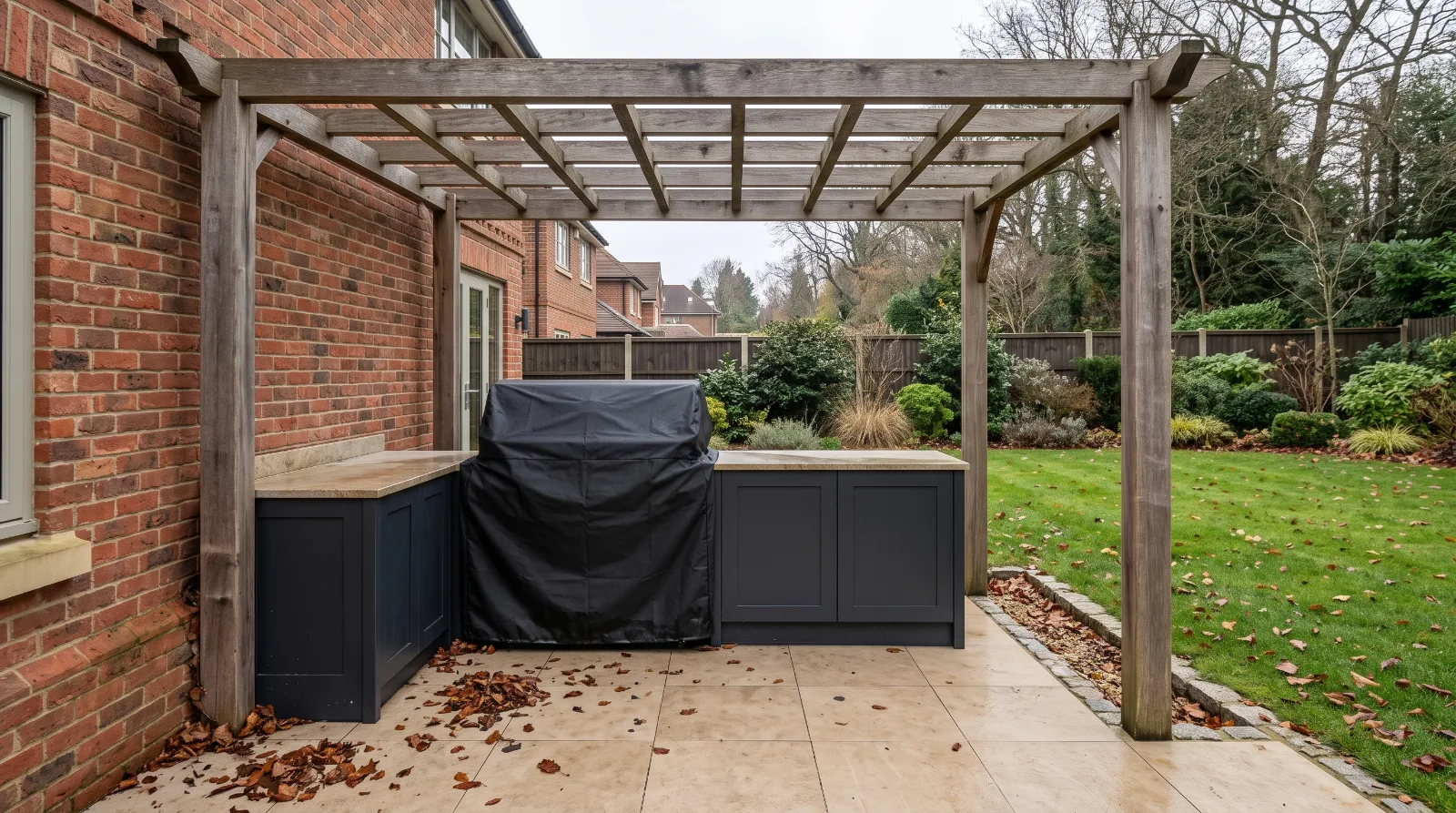
An outdoor kitchen can make a garden far more enjoyable, providing a dedicated space for cooking, dining and entertaining. From built-in barbecues and pizza ovens to outdoor worktops, sinks and storage cabinets, these features can become an important part of a well-designed garden.
However, when autumn gives way to winter, rain, frost and persistent damp can take their toll. Grease left on cooking equipment can become harder to remove, water trapped in pipes can freeze, and poorly protected surfaces may develop stains or damage.
Preparing your outdoor kitchen before winter helps protect your investment, reduce the risk of avoidable repairs and make it easier to use again when warmer weather returns. The right approach depends on the materials, appliances and plumbing installed, but a few straightforward checks can make a significant difference.
In this guide, we explain how to protect an outdoor kitchen before winter, which areas need the most attention and how to keep everything in good condition until spring.
Why Should You Prepare an Outdoor Kitchen for Winter?
Outdoor kitchens are designed for use outside, but that does not mean every component can be left exposed to the weather without maintenance.
Rainwater can collect around joints and fittings, while freezing temperatures can damage water-filled pipes and vulnerable appliance components. Damp conditions may also encourage corrosion on unsuitable metals and affect timber surfaces that have not been properly maintained.
Common problems include:
Frozen or damaged water pipes connected to an outdoor sink.
Rust and grease build-up on cooking equipment.
Moisture trapped beneath poorly fitted covers.
Staining or deterioration of worktops and cabinet finishes.
Water collecting around the kitchen base or inside storage areas.
Damage to exposed electrical equipment or connections.
Preparing the kitchen in autumn allows you to deal with these issues before cold weather arrives, rather than discovering damage when you want to start using it again in spring.
1. Give the Entire Outdoor Kitchen a Thorough Clean
Start by cleaning the kitchen before covering or storing anything. Dirt, food residue, grease and fallen leaves can hold moisture against surfaces, making winter maintenance more difficult.
Remove food, empty rubbish bins and clear leaves from the worktops, shelves, cabinet bases and surrounding paving.
Clean the barbecue and cooking appliances
Barbecues and grills need particular attention because grease can accumulate around the cooking grates, burners and drip trays.
Once the appliance is completely cool, follow its cleaning instructions. Remove food residue from the cooking surfaces, clean the grease collection components and wipe down accessible exterior surfaces using products suitable for the material.
Pay attention to stainless steel, as unsuitable abrasive cleaners can scratch its finish. Use the recommended cleaning products and dry the surfaces thoroughly before covering the appliance.
If you have a pizza oven, plancha or built-in grill, follow the manufacturer's instructions for cleaning and storage. Avoid directing high-pressure water at burners, electrical connections, ventilation openings or other sensitive components.
Clean the worktops and storage areas
Wipe down worktops with an appropriate cleaner and remove spills before they become stubborn stains. Clean cabinet doors and handles, and check the interiors for crumbs, moisture and debris.
Allow the surfaces to dry properly. Covering a wet outdoor kitchen can trap moisture and create the very conditions you are trying to avoid.
2. Protect Outdoor Worktops and Cabinetry
Worktops and cabinets are among the most visible parts of an outdoor kitchen, so keeping them in good condition is essential.
The best maintenance approach depends on the materials used. Porcelain, natural stone, stainless steel and timber all have different requirements, meaning one cleaning or treatment method will not suit every installation.
Porcelain worktops
Porcelain is a popular choice for outdoor kitchens because it is generally resistant to moisture and staining when properly installed and maintained.
Clean the surface with a suitable mild cleaner and remove leaves, food residue and dirt from joints and edges. Inspect for chips or damage that could allow water to reach vulnerable areas.
Porcelain does not usually require the same sealing treatment as many porous natural stones, but its joints, cut-outs and surrounding installation still need to be maintained.
Natural stone and concrete surfaces
Granite and other natural stones can perform well outdoors, but their maintenance requirements vary according to the stone, finish and sealant used.
Check whether the surface needs resealing before winter and use a treatment specifically suited to the material. Do not assume every stone requires the same product or frequency of application.
Concrete worktops may also benefit from an appropriate protective treatment, depending on their construction and finish. Follow the supplier's recommendations rather than applying a generic sealant.
Timber and cabinet finishes
If your outdoor kitchen incorporates timber doors, shelving, cladding or decorative panels, inspect the finish for peeling, cracking or exposed areas.
Suitable timber treatments can help protect against moisture, but the correct product depends on the wood and its existing coating. Allow any treatment to dry fully before covering the kitchen.
For stainless steel or powder-coated cabinets, remove dirt and moisture using a suitable cleaner. Check for scratches or damaged finishes that may require attention.
3. Protect Your Barbecue, Pizza Oven and Other Appliances
Cooking appliances need to be cleaned, checked and protected before prolonged periods of wet weather.
Built-in barbecues should be allowed to cool completely before their lids are closed and covers fitted. Check that grease trays are clean and that food debris has been removed from accessible areas.
Portable appliances that are not intended to remain outdoors can often be stored in a dry, suitable location. Follow the manufacturer's instructions before disconnecting or moving any equipment.
Use the right outdoor kitchen covers
A well-fitting cover can help protect appliances and worktops from rain, leaves, dirt and bird droppings. Choose a cover designed for the specific appliance or outdoor kitchen layout.
Look for durable, weather-resistant materials that allow suitable ventilation. A cover should help shed rain without trapping excessive condensation underneath.
Before fitting it:
Make sure the appliance and worktops are clean and dry.
Secure loose corners so the cover does not blow away in strong winds.
Keep appliance ventilation openings clear where required.
Check that water cannot collect in low points.
Inspect the cover periodically for tears, loose fastenings or trapped moisture.
Even a sheltered outdoor kitchen can benefit from protection against wind-driven rain and debris. However, covering alone is not enough if the kitchen has vulnerable pipes, electrical components or poorly draining areas.
4. Drain and Protect Outdoor Plumbing
If your outdoor kitchen includes a sink, tap, hot-water supply or other plumbing, winter preparation is particularly important.
Water left in exposed pipes can freeze and expand, potentially damaging the pipework, fittings or connected components. The correct preparation depends on how the plumbing was installed.
Isolate the water supply
Locate the isolation valve supplying the outdoor kitchen. Turn off the relevant supply according to the system's instructions before preparing the pipes for winter.
Where the installation is designed to be drained, open the appropriate taps or drain points and allow the remaining water to escape. Disconnect and drain removable hoses where necessary.
If the system has a sink, pay attention to the trap and waste pipe as well. Water can remain in these components even after the main supply has been isolated.
Some installations may have particular draining requirements, so avoid assuming that opening the tap will empty every section of pipework.
Protect exposed pipes and taps
Check exposed pipework for damaged insulation and vulnerable fittings. Suitable pipe insulation can provide additional protection, but it is not a substitute for draining pipework that is susceptible to freezing.
If you are uncertain how the water supply should be isolated or drained, ask a qualified plumber to inspect the system and advise on the correct procedure.
Before winter arrives, it is also worth checking whether water is collecting around pipe entries, cabinet bases or the sink unit. Addressing these issues can help reduce the risk of moisture damage.
5. Store Gas Bottles and Check Gas Connections Safely
Many outdoor kitchens use bottled gas to power a barbecue or other cooking appliance. These installations require particular care because LPG cylinders must be stored and handled safely.
When the barbecue is not in use, follow the appliance manufacturer's instructions for shutting off the gas supply. Check the accessible hose and connections for visible wear or damage, and arrange a competent inspection if anything appears faulty.
Gas cylinders should be stored upright, outdoors and in a well-ventilated location, away from heat and ignition sources. Keep them clear of drains and building openings, and follow the cylinder supplier's specific positioning and storage requirements.
Never bring propane cylinders into the house, basement or another unsuitable enclosed space for winter storage.
If the outdoor kitchen has a fixed gas installation, do not attempt to modify or disconnect gas pipework yourself. Use a suitably qualified professional for work on the installation.
Before returning the kitchen to use in spring, check the appliance and its connections according to the manufacturer's instructions. If you suspect a leak or notice unusual damage, do not use the appliance until it has been checked.
6. Protect Outdoor Refrigerators and Electrical Equipment
Some outdoor kitchens include refrigerators, lighting, electrical sockets and other powered appliances. These need to be prepared according to their individual specifications.
An outdoor-rated refrigerator may be designed to remain outside throughout the year, but its permitted operating and storage temperatures can vary. Check the manufacturer's instructions before switching it off or leaving it exposed to cold weather.
If an appliance is being taken out of use for winter, follow the recommended shutdown procedure. Remove any food, clean the interior and dry it thoroughly before leaving the door in the position specified by the manufacturer.
Electrical components should be kept dry, and their protective covers must remain in good condition. Do not assume that an outdoor socket or appliance can safely withstand standing water or every type of winter exposure simply because it is intended for outdoor use.
If you discover damaged cables, cracked sockets or water inside electrical fittings, have the problem assessed by a qualified electrician before using the equipment again.
7. Check Drainage, the Kitchen Base and Surrounding Paving
Even a well-built outdoor kitchen can suffer if water collects around its base during winter.
Inspect the surrounding paving, patio joints and drainage channels. Remove leaves and other debris that could prevent rainwater from draining away.
Pay particular attention to the area beneath the kitchen units. Water should not be allowed to pool around cabinet feet, plinths or the edges of the supporting base for extended periods.
If your kitchen sits beside a pergola, garden wall or raised planting bed, check nearby areas for loose fittings, damaged joints or blocked drainage points.
Where paving is uneven or water repeatedly collects in the same place, consider whether the surface needs maintenance or the drainage arrangement requires improvement.
Keeping these areas clear and in good condition helps protect both the outdoor kitchen and the surrounding landscaping.
Outdoor Kitchen Winter Preparation Checklist
Use the following checklist to make sure the main areas have been covered before winter sets in.
Area | What to do |
|---|---|
Barbecue and grill | Remove grease, clean the cooking surfaces and dry thoroughly. |
Worktops | Clean using suitable products and check for damage or worn sealant. |
Cabinets | Clean doors and interiors, remove debris and inspect finishes. |
Covers | Fit suitable covers securely and check that they allow appropriate ventilation. |
Water supply | Isolate and drain vulnerable pipes and fittings as required. |
Gas supply | Shut down appliances correctly and store cylinders safely outdoors. |
Appliances | Follow individual winter shutdown and storage instructions. |
Electrical equipment | Check for damage and protect connections from moisture. |
Drainage | Clear leaves and debris and check for standing water. |
Pergola and surrounding structure | Inspect exposed timber, fixings and other vulnerable components. |
Common Mistakes to Avoid
A few simple mistakes can undermine winter preparation, even when the main kitchen surfaces have been cleaned and covered.
Covering equipment while it is still wet. Trapped moisture can contribute to corrosion, staining and deterioration of finishes.
Ignoring the plumbing. Turning off the tap or barbecue does not necessarily drain connected pipes, waste traps or other water-filled components.
Using one cleaning product on every surface. Natural stone, porcelain, timber and stainless steel have different care requirements.
Assuming all appliances are suitable for winter exposure. Outdoor-rated equipment still has operating limits and may have specific storage instructions.
Storing gas cylinders indoors. LPG cylinders must be kept in an appropriate outdoor, well-ventilated location.
Forgetting about drainage. Blocked channels and standing water can cause problems around the kitchen's supporting base and nearby paving.
Avoiding these mistakes helps keep the kitchen in better condition and can reduce the chance of unexpected repairs when spring arrives.
Get Your Outdoor Kitchen Ready for Winter
Protecting an outdoor kitchen is about more than putting a cover over the barbecue. Cleaning appliances, caring for worktops, draining vulnerable plumbing, storing gas cylinders safely and checking drainage all help prepare the space for colder weather.
The right approach will depend on the design and equipment installed. Some kitchens may only need cleaning and suitable covers, while those with sinks, refrigeration, fixed gas supplies or electrical equipment require more detailed preparation.
At Surrey Oak Landscapes, an outdoor kitchen is considered as part of the wider garden, with the surrounding patio, planting, levels, lighting and seating helping create a cohesive outdoor living space.
Whether you already have an outdoor kitchen or are planning one as part of a garden transformation, thoughtful design and regular maintenance can help you enjoy the space for years to come.
Planning an outdoor kitchen or a wider garden transformation?
About the author