Can You Replace Fence Panels Without Replacing the Posts?
Can you replace fence panels without replacing the posts? Learn what to check before replacing your panels, including post condition, spacing, gravel boards and compatibility.
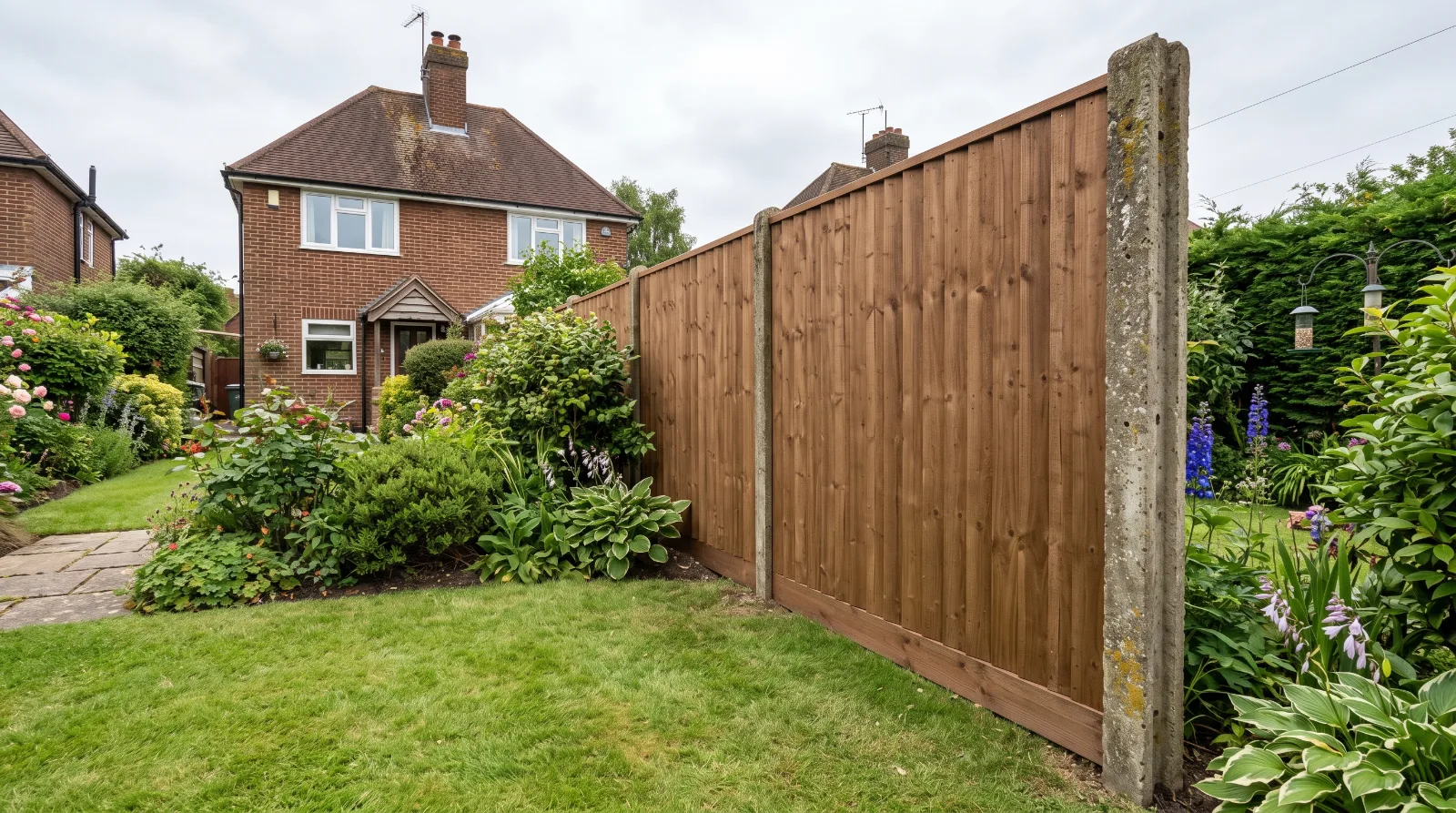
If your fence panels are damaged, rotten or simply looking tired, you may not need to replace the entire fence. In many cases, new panels can be fitted using the existing fence posts, saving both time and unnecessary work.
However, it depends on the condition and type of posts already in place. A new panel will only perform as well as the structure supporting it, so checking the posts before ordering replacement panels is important.
Can You Replace Fence Panels Without Replacing the Posts?
Yes, you can replace fence panels without replacing the posts, provided the existing posts are still strong, stable and suitable for the new panels.
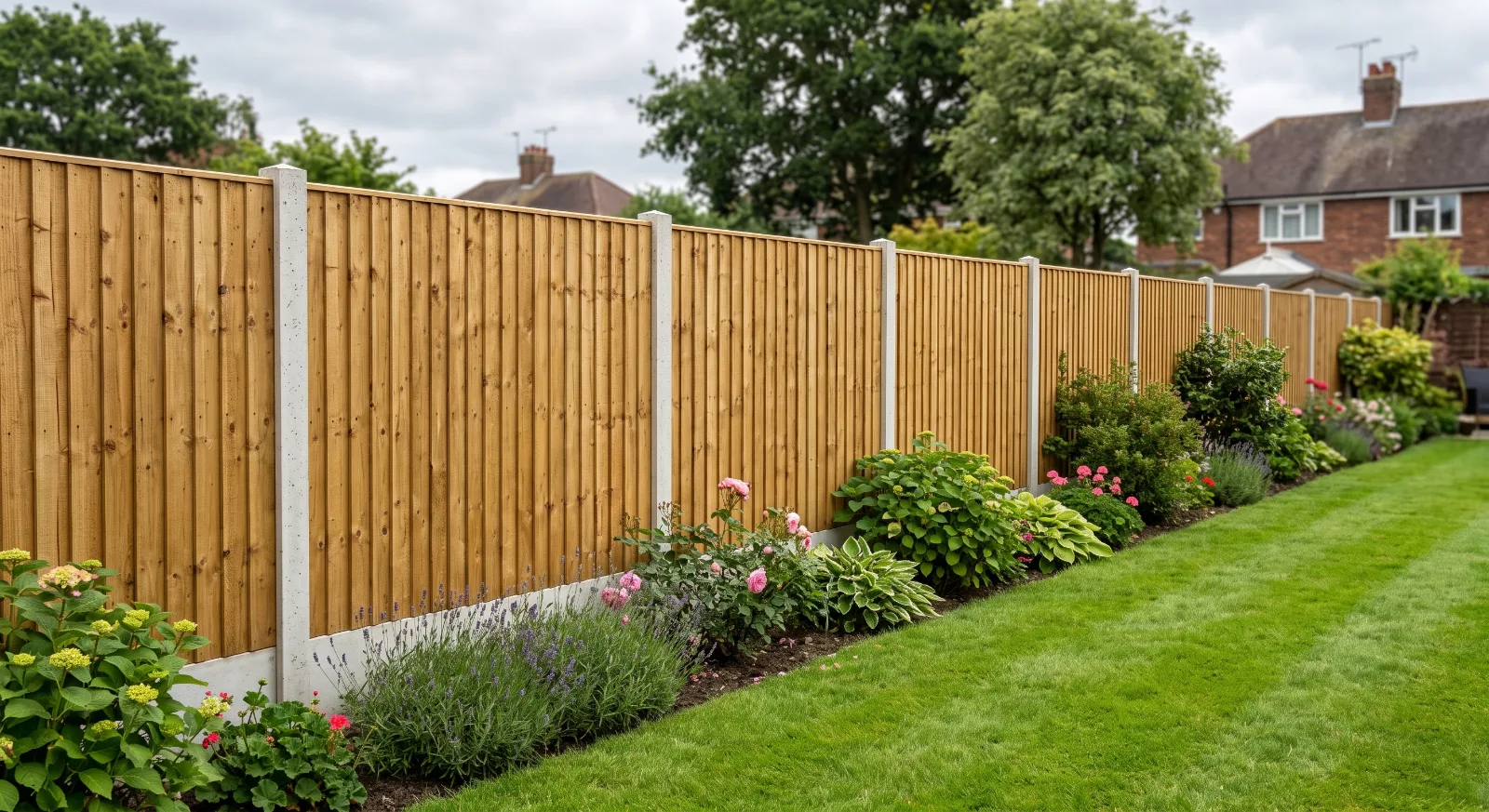
This is particularly straightforward with slotted concrete posts. The panels are designed to sit within grooves in the posts, allowing individual sections to be removed and replaced without disturbing the posts themselves.
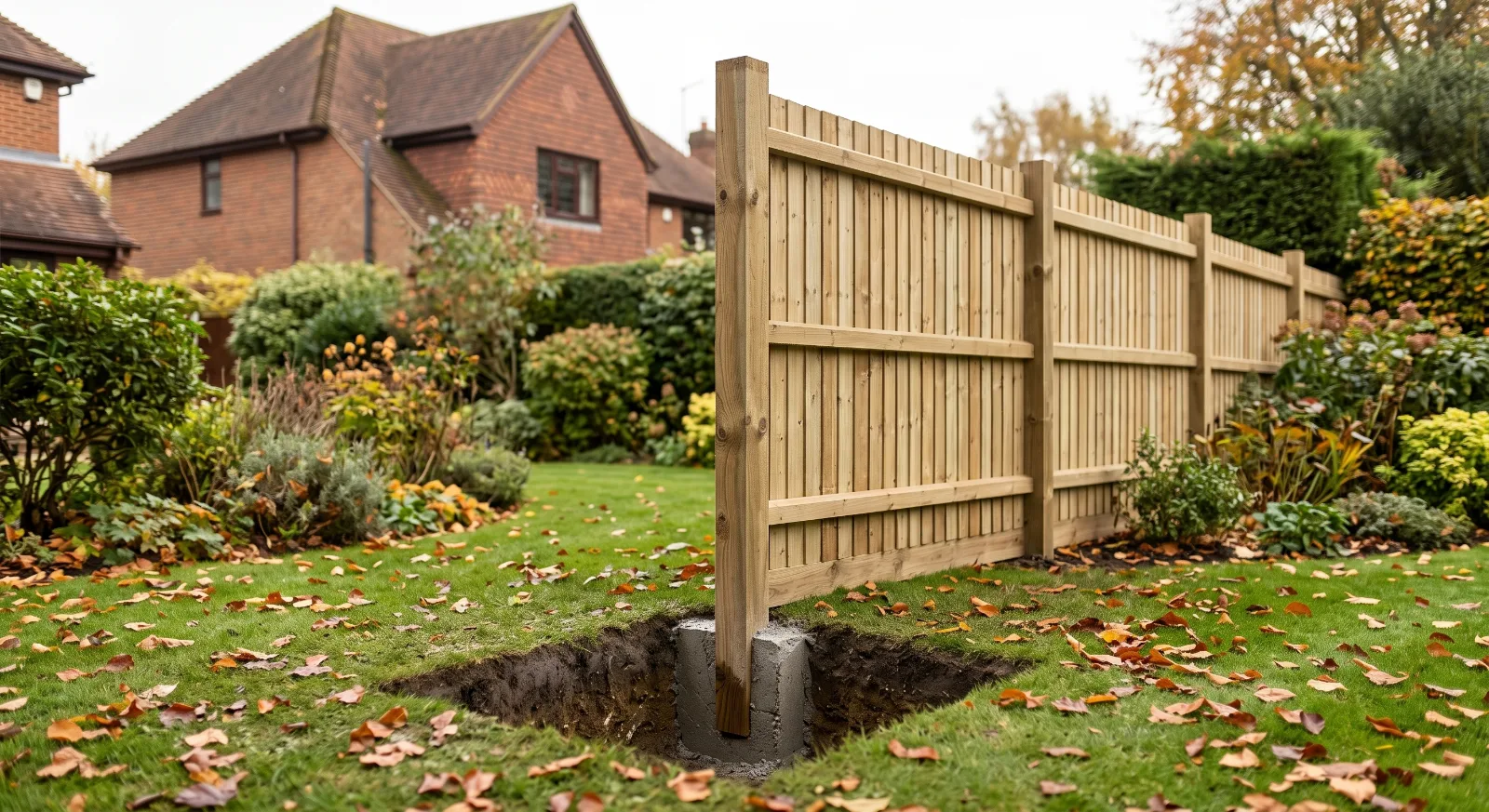
Timber posts can also be reused, although the panels are usually attached with screws, nails, brackets or battens rather than simply sliding into a slot.
The important thing is to inspect the whole fence rather than assuming that a damaged panel is the only problem.
When Can Existing Fence Posts Be Reused?
Before replacing the panels, check the condition of the posts carefully.
A post is generally suitable for reuse if it:
Is firmly fixed in the ground
Is reasonably straight and upright
Shows no significant cracking or structural damage
Does not move noticeably when pressure is applied
Has suitable fixings or slots for the replacement panel
Is positioned at the correct spacing for the new panels
Concrete posts are particularly convenient for panel replacement because individual panels can often be removed without disturbing the posts.
With timber posts, pay close attention to the section around ground level. This is where moisture can contribute to timber deterioration over time.
Concrete Posts vs Timber Posts
The type of post you already have makes a difference to how straightforward the replacement will be.
Post type | Can panels usually be replaced? | What to check |
|---|---|---|
Slotted concrete | Yes | Cracks, movement and condition of slots |
Timber | Yes | Rot, splitting, movement and fixings |
Metal | Often | Compatibility with panel system and fixings |
Damaged or leaning post | Not recommended | Post may need repair or replacement |
If the posts are sound, there is usually no reason to remove them simply because the panels have reached the end of their useful life.
How Do You Know If a Fence Post Needs Replacing?
This is one of the most important checks before buying new panels.
A post may look fine from a distance but still have a problem at its base. Timber posts can deteriorate around the point where they enter the ground, while concrete posts can develop cracks or become unstable if the ground around them has shifted.
Look for:
Noticeable movement when the post is pushed
A post that is leaning
Cracks or breaks in concrete
Rotten or soft timber around ground level
Loose fixings
Damaged slots on concrete posts
Posts that have shifted following wind or ground movement
If a post is already unstable, fitting a new panel will not solve the underlying problem.
In fact, a new panel can make the weakness more obvious because the fence will once again be exposed to wind loading.
Do New Fence Panels Have to Be the Same Size?
Not necessarily, but the replacement panel needs to be compatible with the existing post spacing and system.
A standard UK fence panel is commonly around 1.83m (6ft) wide, with common heights including 3ft, 4ft, 5ft and 6ft. However, actual dimensions can vary between manufacturers and panel types.
This means you should measure the existing opening rather than ordering a panel based solely on the advertised size.
Measure:
The width between the posts
The height available
The depth of the post slots, if applicable
The existing panel thickness
The position of the gravel board
This is particularly important if you are replacing older panels, as the original panels may not have exactly the same dimensions as modern replacements.
What About Gravel Boards?
The gravel board sits underneath the fence panel and helps keep the timber away from direct contact with the ground.
If you are replacing fence panels, it is worth checking the gravel boards at the same time.
A damaged or rotten gravel board can cause problems even when the posts themselves are perfectly sound.
Check for:
Cracks in concrete gravel boards
Rot or decay in timber boards
Sections that have moved or sunk
Gaps underneath the panels
Uneven levels along the fence
If the gravel boards are still in good condition, they can usually remain in place while the panels are replaced.
Can You Replace Just One Damaged Fence Panel?
Yes. You do not necessarily have to replace an entire run of fencing because one panel has failed.
If the surrounding posts and gravel boards are sound, a single damaged panel can often be replaced independently.
This can be useful if one section has been damaged by wind, impact or general deterioration while the rest of the fence remains in good condition.
However, matching can become an issue. Older panels may have faded, weathered or changed colour over time, so a brand-new panel may look noticeably different from the surrounding fence.
If several panels are already showing signs of deterioration, replacing multiple sections at the same time can sometimes give a more consistent finish.
What If the Existing Posts Are Slightly Leaning?
A leaning post should not simply be hidden with a new panel.
If the post has moved but is otherwise structurally sound, it may be possible to correct it. However, if the movement is caused by a damaged footing, poor ground conditions or deterioration around the base, the post may need to be replaced.
The same applies to a fence where several posts have started leaning in the same direction. This can indicate that the problem is not limited to the individual panels.
It is better to identify the cause before installing new panels.
When Should You Replace the Posts Too?
There are situations where replacing only the panels is unlikely to be worthwhile.
You may need new posts if:
The timber posts are rotten at ground level
Concrete posts are cracked or broken
Posts are unstable in the ground
Several posts are leaning
The existing spacing does not suit the new panels
The post slots are damaged
You are changing to a substantially different fencing system
In these situations, replacing the panels while leaving failing posts in place could mean having to remove the new panels again later.
Is It Cheaper to Replace Panels Instead of the Whole Fence?
If the posts and supporting components are in good condition, replacing the panels can be considerably less disruptive than rebuilding the entire fence.
You may only need to replace:
The damaged panels
Worn gravel boards
Panel fixings or brackets
By comparison, a complete fence replacement can involve removing the existing panels, posts and gravel boards, disposing of the old materials, preparing new post holes and installing an entirely new run.
The most cost-effective option therefore depends on what condition the existing structure is in.
Existing condition | Likely approach |
|---|---|
Panels damaged, posts sound | Replace panels |
Panels and gravel boards worn | Replace panels and gravel boards |
Timber posts beginning to rot | Consider replacing posts |
Concrete posts cracked | Replace affected posts |
Several posts unstable | Consider replacing the fence structure |
Entire fence deteriorated | Full replacement may be more practical |
How Are Fence Panels Replaced?
The exact process depends on the fencing system.
With slotted concrete posts, the old panel can generally be removed from the slots and the replacement panel positioned between the existing posts. The posts and their spacing need to be checked first to make sure the new panel fits correctly.
For timber posts, the existing fixings are removed before the old panel is taken out. The replacement panel is then positioned, levelled and secured using appropriate fixings or brackets.
Before the new panel goes in, it is worth taking the opportunity to clean out debris around the post slots and check the condition of the gravel board.
What If the New Panel Does Not Fit?
Do not force a replacement panel into an opening that is clearly too small.
Small differences can sometimes be accommodated depending on the fencing system, but larger discrepancies may indicate that you have the wrong panel size or that the existing posts have moved.
This is why measuring the actual opening before ordering materials is important.
For unusual gaps, sloping ground or non-standard fencing, a made-to-measure solution may be more appropriate than trying to modify a standard panel.
Should You Replace the Whole Fence or Just the Panels?
The answer comes down to the condition of the supporting structure.
If your existing posts are solid, upright and undamaged, replacing only the panels can be a sensible way to refresh the fence without carrying out unnecessary groundwork.
If the posts are failing as well, replacing the panels alone is unlikely to provide a long-term solution.
The best approach is therefore to inspect the panels, posts and gravel boards together before deciding what needs replacing.
Need New Fence Panels in Surrey?
If your fence panels are damaged or showing their age, Surrey Oak Landscapes can assess the existing fencing and advise whether the panels can be replaced while keeping the current posts.
Whether you need a single replacement panel or a complete fencing upgrade, we can help with the right solution for your garden.
About the author