How to Transform a Tired Garden
Transforming a tired garden doesn’t always mean starting from scratch. Discover practical ways to improve your garden’s layout, paving, planting, privacy and outdoor living space.
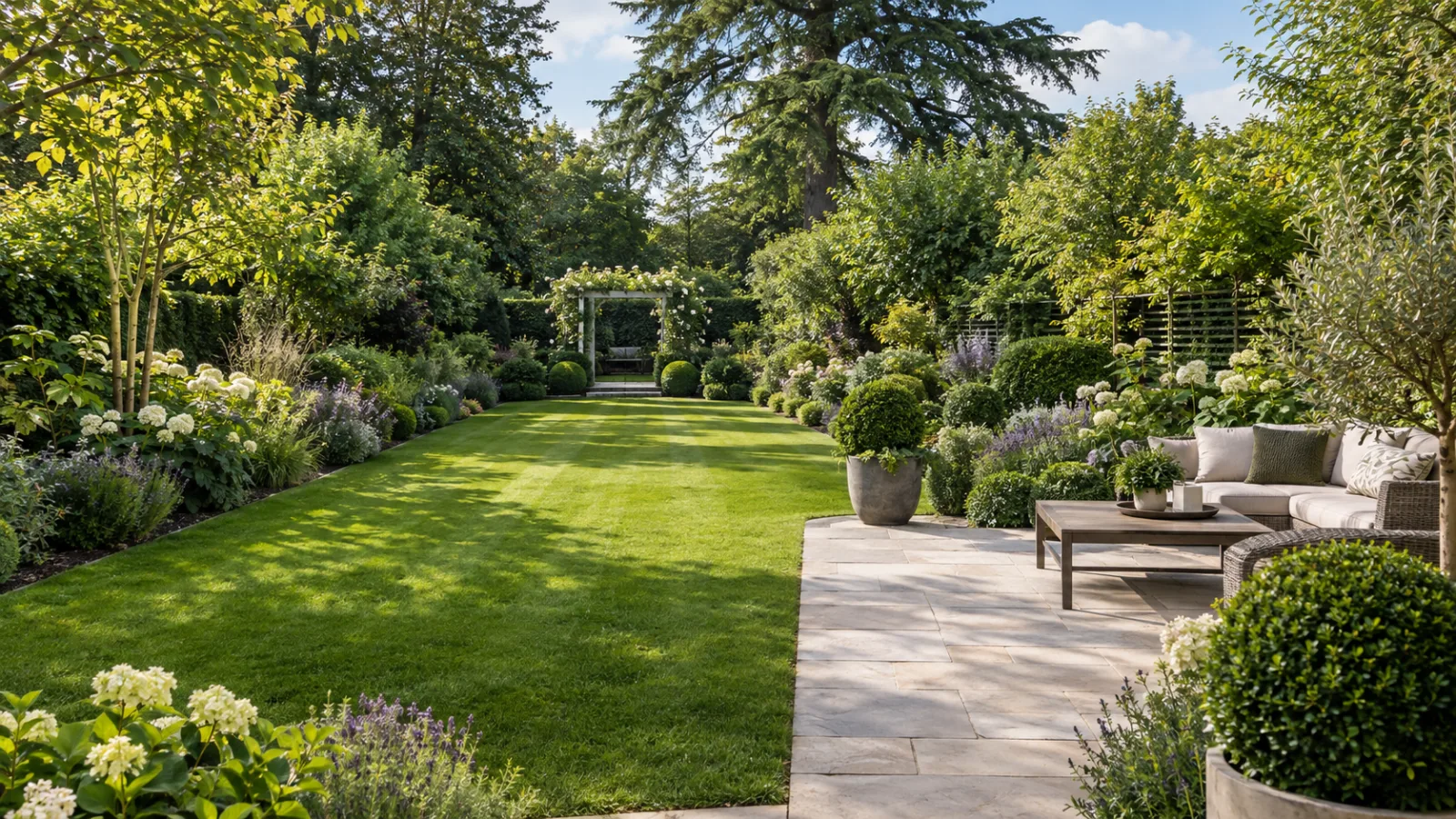
A garden can become tired without being completely neglected.
The lawn might be patchy, the paving may have seen better days, planting can become overgrown or disconnected, and a garden that once worked well for the family can gradually stop feeling like a space they actually want to use.
The good news is that transforming a tired garden does not always mean removing everything and starting again.
In many cases, the biggest difference comes from improving the layout, replacing the parts that no longer work and making better use of what is already there.
A successful garden transformation should make the space feel better, work better and suit the way you use your home.
Start by Looking at What Is Not Working
Before choosing new paving or buying plants, take a proper look at the garden as it is now.
Ask yourself what you actually dislike about it.
Is it difficult to maintain? Does it feel cluttered? Is there nowhere comfortable to sit? Does the lawn take up too much space? Does the patio feel disconnected from the house? Is the garden lacking privacy?
These questions are often more useful than simply asking what style of garden you want.
A garden transformation should solve problems rather than just replace old materials with new ones.
Look at the Garden as a Whole
Try not to think about the patio, lawn, fencing and planting as separate jobs.
They all affect one another.
For example, changing the size or position of a patio can alter the amount of lawn you need. New planting may improve privacy around a seating area, while new fencing can completely change the feel of the garden.
Thinking about everything together usually creates a more cohesive result.
Decide What Is Worth Keeping
One of the biggest mistakes people can make is assuming that everything needs to go.
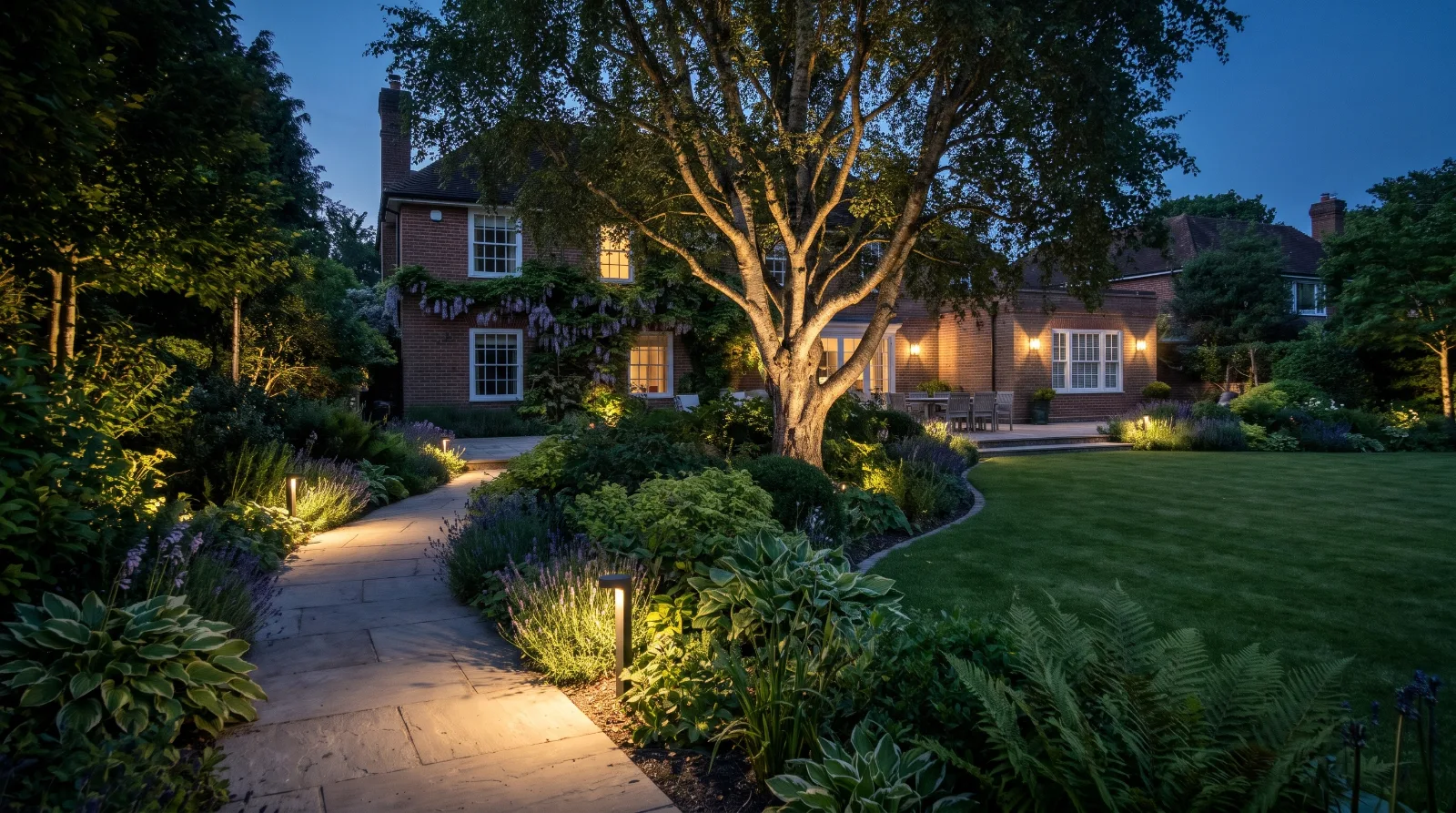
A mature tree might be perfectly healthy and give the garden a sense of scale that would take years to replace. Existing planting may contain plants that are worth retaining. Even an old wall, pathway or set of steps can sometimes be incorporated into a new design.
Current Surrey garden transformation projects often take this approach, working around established trees and other useful features rather than treating the whole garden as a blank canvas.
That does not mean keeping everything.
The aim is to decide what is worth retaining, what can be refreshed and what has simply reached the end of its useful life.
Sometimes keeping one or two established features can make a redesigned garden feel more natural and established.
Improve the Layout Before Adding More Features
A tired garden often feels tired because the layout no longer makes sense.
You may have a small patio squeezed against the house, a large area of lawn that hardly gets used and planting pushed around the edges without any real relationship between the different spaces.
Changing the layout can completely alter how the garden feels.
Think about creating clear areas for different activities, such as:
Dining
Relaxing
Entertaining
Children’s play
Planting
Lawn
Storage
This does not mean creating lots of separate rooms.
The best layouts often feel connected, with paths, planting and changes in materials helping the eye move naturally through the garden.
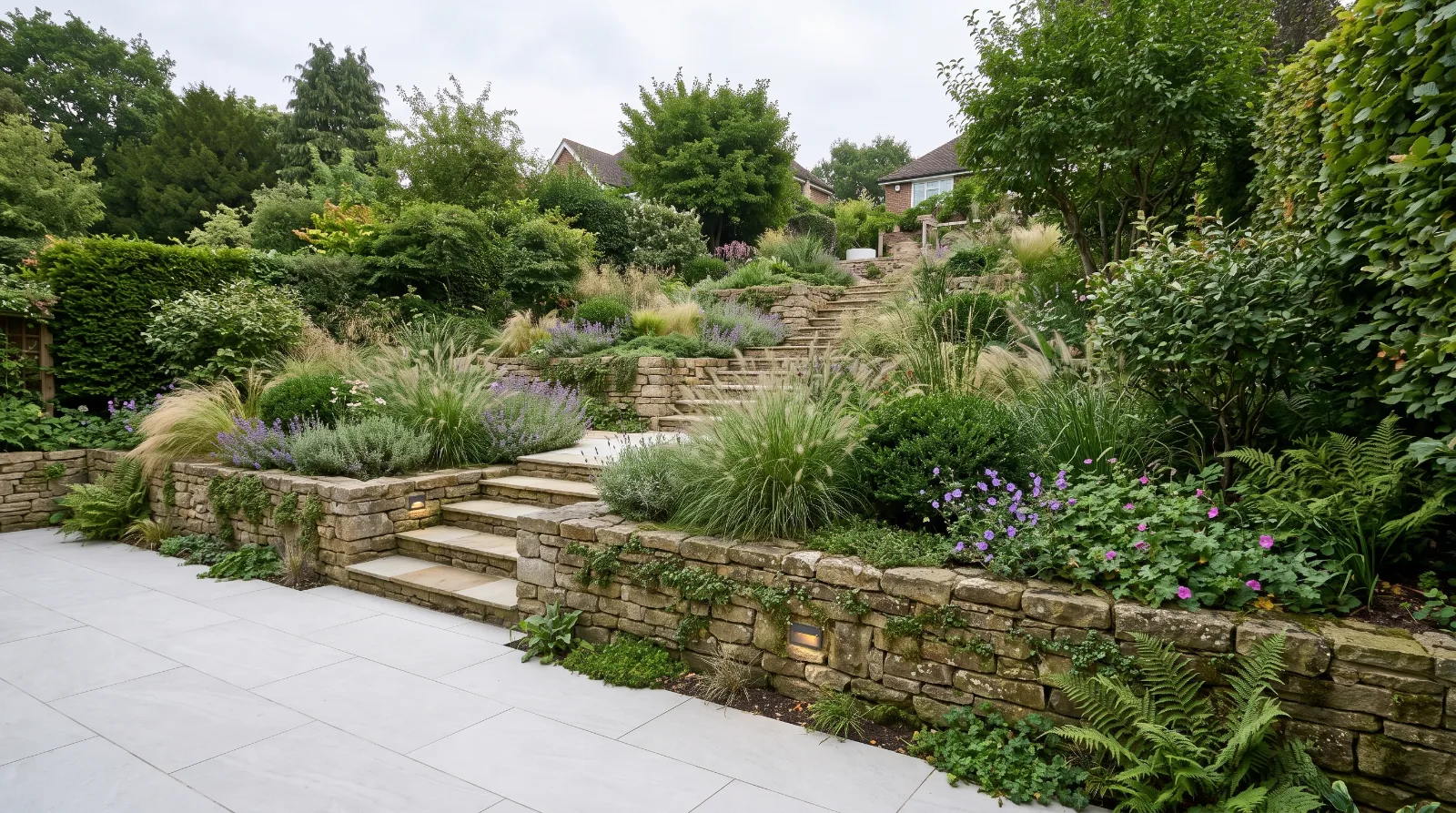
A recent Surrey transformation in East Molesey, for example, used existing levels to create separate but connected areas for dining, lawn and seating rather than flattening everything into one space.
Replace Tired Paving
Old paving is often one of the first things people notice when a garden starts to look dated.
Cracked slabs, uneven surfaces, worn decking or a patio that is too small for the furniture can make the whole garden feel less inviting.
Replacing the paving can make a major difference, but it is worth thinking beyond the material itself.
Consider:
The size and shape of the patio
How it connects to the house
Where furniture will sit
The relationship between paving and planting
Steps and level changes
Edging and surrounding surfaces
Drainage
The right paving can give a garden structure, but the layout underneath it is just as important.
For some gardens, a larger terrace creates a much more usable outdoor living area. In others, reducing the amount of paving and introducing more planting creates a softer and greener result.
Give the Planting Some Structure
Planting can completely change the character of a garden.
A tired garden often has one of two problems. Either the planting has become overgrown and difficult to manage, or it has become sparse and disconnected, with individual plants scattered around without much relationship between them.
A stronger planting scheme considers the garden as a whole.
Think about layers of planting rather than individual plants.
You might combine:
Structural trees and shrubs
Evergreen planting
Perennials
Ornamental grasses
Seasonal colour
Ground cover planting
The aim is to create a garden that still has structure when individual plants are not flowering.
Plant selection should also reflect the actual conditions of the garden. Soil type, moisture, light levels and exposure all affect how well plants establish and how much maintenance they need.
This is one reason a planting scheme designed specifically for the space can work much better than simply choosing plants you happen to like.
Deal With Privacy at the Same Time
A garden can look beautiful but still feel uncomfortable if neighboring properties are constantly in view.
Privacy can often be improved as part of a wider transformation rather than treated as an afterthought.
Depending on the garden, this might involve:
New fencing
Timber screening
Trellis
Hedging
Trees
Layered planting
The key is to avoid making the boundary feel too heavy.
A combination of planting and screening can soften the garden while still creating a greater sense of privacy.
Make an Old Garden Feel More Usable
A transformation should not only make the garden look better.
It should make you want to spend time in it.
Think about how you actually use your outdoor space.
Would you sit outside more often with a proper seating area? Would an outdoor dining space make family meals easier in summer? Would a pergola make the garden more comfortable? Would better lighting allow you to use the space later into the evening?
These decisions can influence the layout from the beginning rather than being added after everything else has been finished.
Current garden transformation projects commonly combine paving, planting, fencing, seating, pergolas, lighting and other outdoor-living features to create spaces that are easier and more enjoyable to use.
Do Not Ignore Drainage and Ground Conditions
Some gardens look tired because there are underlying problems that cannot be fixed simply by adding new materials.
Poor drainage, compacted soil and awkward levels can all affect how a garden performs.
If water regularly collects after rainfall, it is worth identifying why before carrying out major landscaping work. In some gardens, improving cultivation and soil structure may help. In others, more substantial drainage work or changes to levels may need to be considered.
This is particularly important when replacing large areas of lawn, installing paving or changing the layout.
Good preparation is rarely the most visible part of a garden transformation, but it can have a major effect on the finished result.
Think About the Garden From the House
One simple way to improve a garden is to consider how it looks from inside the property.
The garden is often viewed through kitchen doors, bi-fold doors or windows, so the design should work from those viewpoints as well as when you are standing outside.
Think about what you see first.
A focal tree, well-positioned planting, a clear path, a seating area or a strong piece of garden architecture can all give the view more structure.
This is especially useful when the garden is overlooked or feels flat and uninteresting.
Add Lighting and Finishing Details
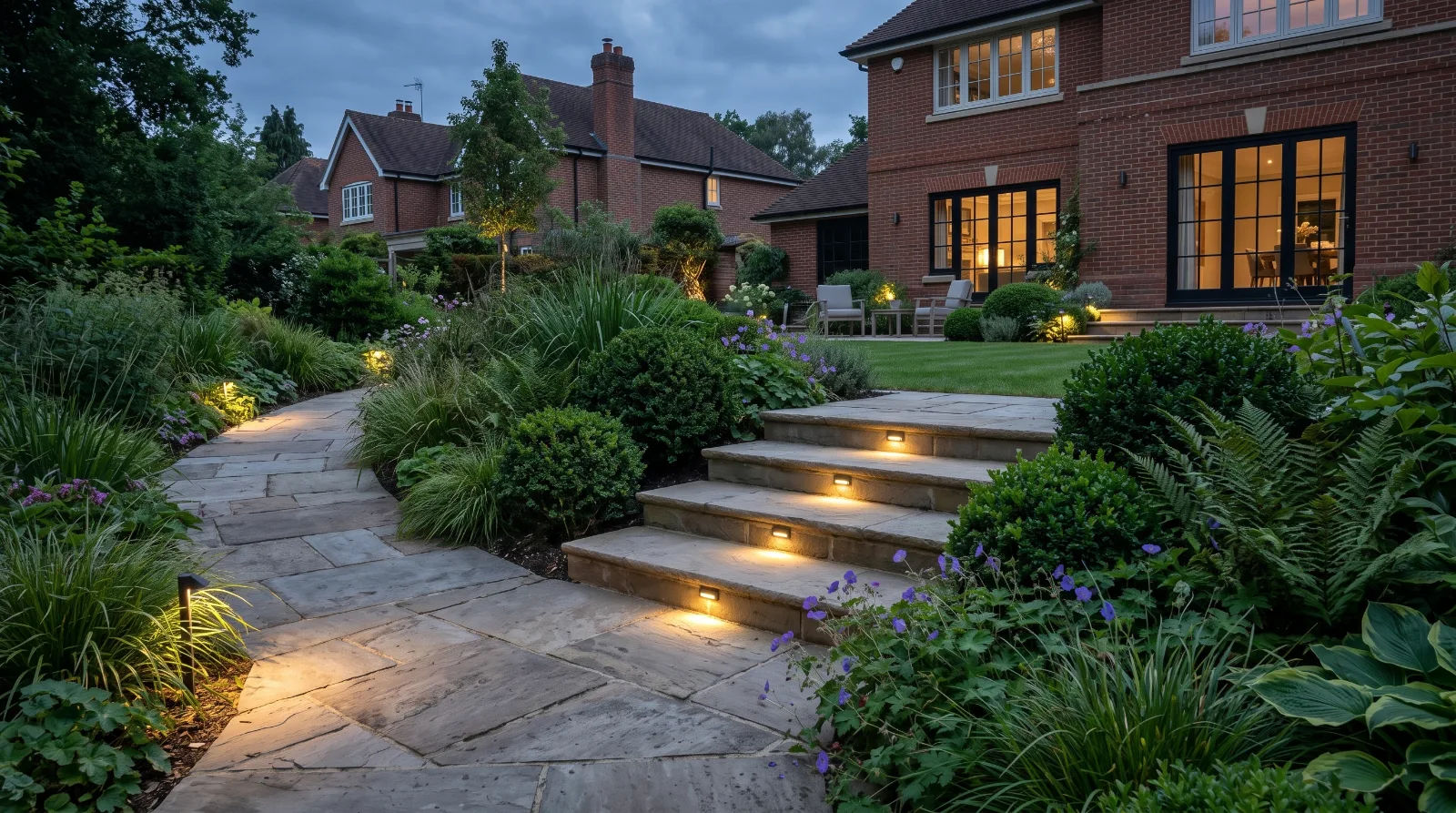
Lighting can completely change the atmosphere of a finished garden.
It can highlight planting, illuminate paths, improve visibility around steps and create a softer atmosphere around seating and dining areas.
The same is true of smaller finishing details.
Edging, raised beds, steps, walling, screens and planting details can make the difference between a garden that feels newly installed and one that feels properly designed.
The aim is not to fill the garden with features.
It is to make the important elements feel intentional.
You May Not Need to Start Again
A tired garden does not necessarily need a complete clearance.
Sometimes the best transformation is achieved by working with what is already there.
That might mean keeping a mature tree, reshaping the lawn, replacing an old patio, introducing new planting, improving privacy and changing the way the different areas connect.
In other gardens, a more substantial rebuild will make more sense.
The important thing is to assess the space first rather than deciding on the scope of work before understanding what the garden actually needs.
A Garden Transformation Should Feel Like One Design
The most successful gardens do not look as though the patio was installed by one person, the fencing by another and the planting added at the end.
The materials, levels, planting, boundaries and outdoor living areas should work together.
That is particularly important when transforming an established garden because there are usually existing features, constraints and mature elements that need to be considered.
A well-planned transformation can make an older garden feel completely different without making it feel as though it belongs to somewhere else.
Planning to Transform a Tired Garden?
Whether your garden needs a complete redesign or simply a rethink of the layout, the right changes can make a dramatic difference.
From paving and planting to fencing, lighting, garden rooms and outdoor living, each element can be considered as part of one cohesive landscape.
We work with homeowners across Surrey and the surrounding areas to create gardens that are designed around the property and the way the space will actually be used.
About the author