How to Choose Plants for a Newly Landscaped Garden
Choosing plants for a newly landscaped garden? Discover how to match plants to your soil, sunlight and space while creating a balanced, attractive planting scheme.
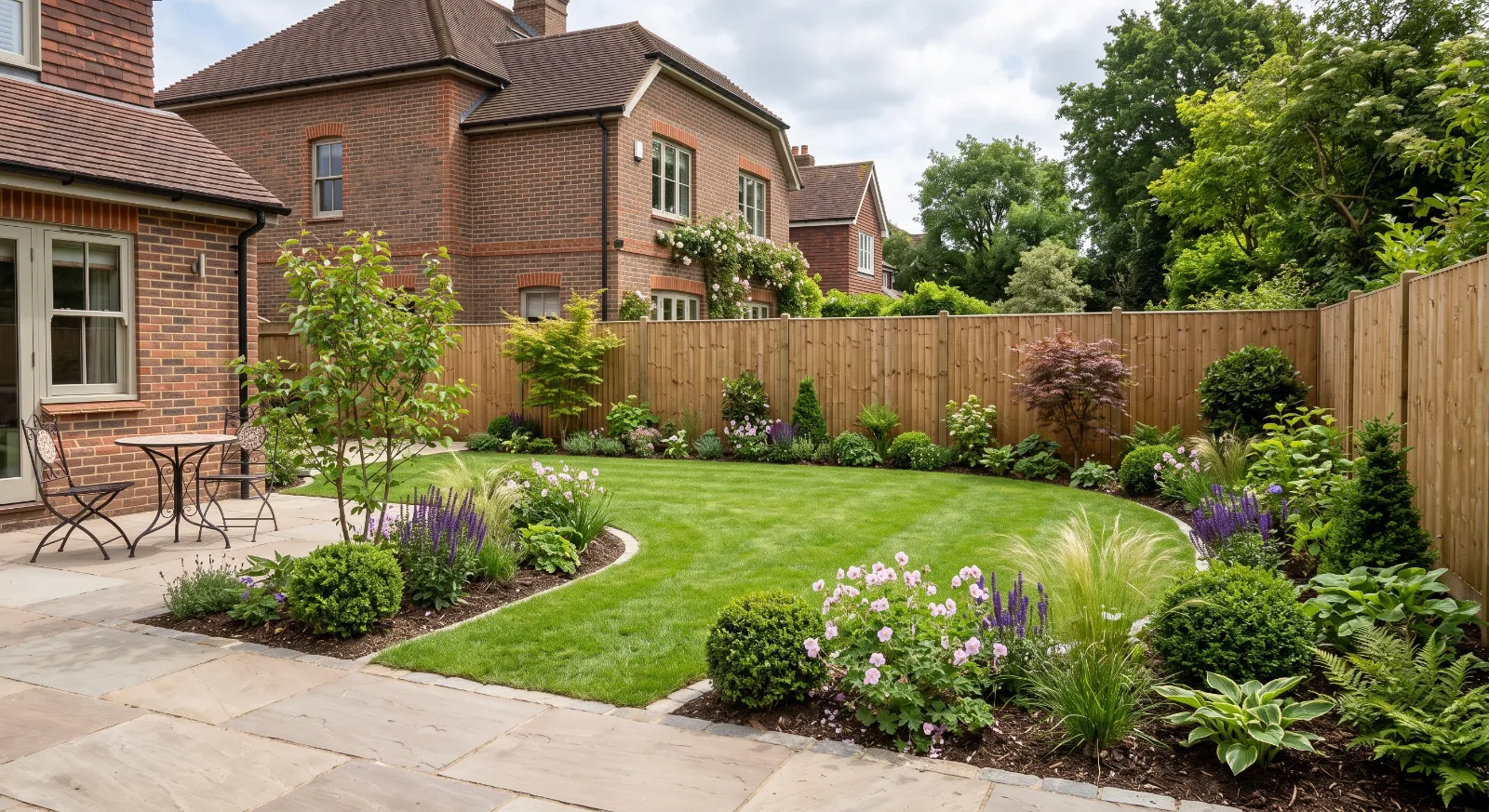
A newly landscaped garden can look very different once the paving, lawn, fencing and other structural work are finished. But planting is often what turns a newly constructed outdoor space into a garden that feels established and complete.
Choosing plants is not simply a case of picking your favourite flowers. The conditions in each part of the garden, the size plants will eventually reach, how much maintenance you want to do and how the planting fits around the new landscaping all need to be considered.
The right plants can create privacy, soften hard landscaping, add colour through the seasons and give the garden structure for years to come.
So, where should you start?
Start With the Conditions in Your Garden
The most important part of choosing plants is understanding the space they will be growing in.
A plant that thrives in one part of the garden may struggle only a few metres away because the conditions are different. Before buying anything, look at:
How much direct sunlight the area receives
Whether the soil stays wet or dries quickly
The type of soil
Exposure to wind
Available space
How much maintenance you want to do
Sunlight and soil are particularly important. South- and west-facing areas are generally warmer and sunnier, while north- and east-facing areas can be cooler or more shaded. Soil type also affects how much moisture is retained and which plants are likely to establish successfully.
Check the Soil Before Planting
A newly landscaped garden may not have the same soil conditions as an established border.
Groundworks, excavation, machinery and the removal or addition of soil can alter the condition of the planting areas. Soil may also be compacted after construction, which can make it more difficult for roots to establish.
Different soil types have different characteristics. Clay soils tend to hold more water and can become very heavy when wet, while sandy soils drain quickly and may need more attention during dry periods.
This does not mean you need to completely replace difficult soil.
In many cases, improving the existing soil with suitable organic matter and preparing planting beds properly can make a significant difference. Soil preparation before planting helps provide better conditions for roots to establish and plants to grow.
Choose Plants for the Amount of Sun They Will Get
One of the easiest mistakes to make is choosing plants based on how they look in a garden centre without considering where they will actually be planted.
Full sun
Areas receiving several hours of direct sunlight can support a wide range of plants, including many flowering perennials, ornamental grasses, herbs and Mediterranean-style planting.
Lavender, rosemary and many salvias can work well in sunny, well-drained areas, provided the soil and conditions suit them.
Partial shade
Partly shaded areas give you plenty of options, particularly where there is some direct sunlight during the day.
Plants such as hydrangeas and many hardy perennials can provide colour and structure without needing full sun all day.
Deeper shade
Shadier corners need more careful selection.
Ferns, hostas and other shade-tolerant foliage plants can be useful for creating texture and greenery where flowering plants may have fewer options.
The important point is to match the plant to the location rather than trying to force a favourite plant into unsuitable conditions.
Think About the Size of the Plant at Maturity
A newly planted border can look quite empty at first.
This often tempts homeowners to plant too closely together because they want an immediate full appearance. However, many plants will grow significantly after establishment.
Before planting, consider:
Mature height
Mature width
Root spread
How quickly the plant grows
How much pruning it will need
Its position relative to paths, patios and buildings
A shrub that looks small when planted may eventually extend over a path or crowd neighbouring plants.
Spacing should therefore be based on the plant's eventual size rather than how large it looks on the day it goes into the ground.
Use a Mix of Trees, Shrubs and Perennials
A strong planting scheme usually has different layers rather than one type of plant repeated everywhere.
Think of the planting in three broad levels:
Layer | Purpose |
|---|---|
Trees | Height, structure and long-term impact |
Shrubs | Bulk, screening and year-round framework |
Perennials and grasses | Colour, texture and seasonal interest |
Ground cover | Filling gaps and reducing exposed soil |
This creates more depth and helps the planting mature naturally over time.
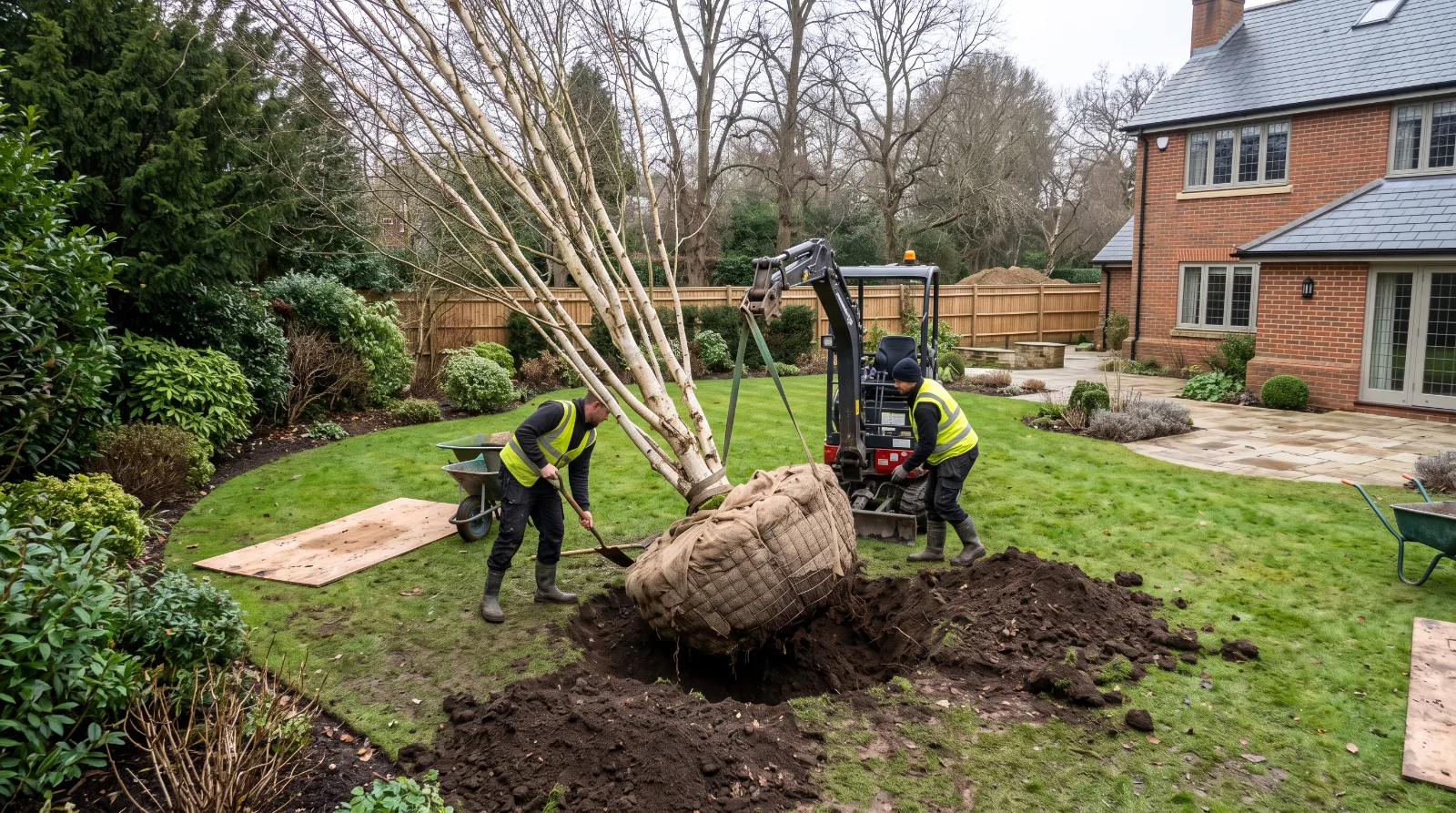
For example, a small tree could provide a focal point, evergreen shrubs could form the permanent structure and flowering perennials could bring seasonal colour around the edges.
Include Some Evergreen Structure
A garden can look very different in winter from how it appears in summer.
If every plant loses its leaves or dies back at the end of the growing season, the garden can become quite bare.
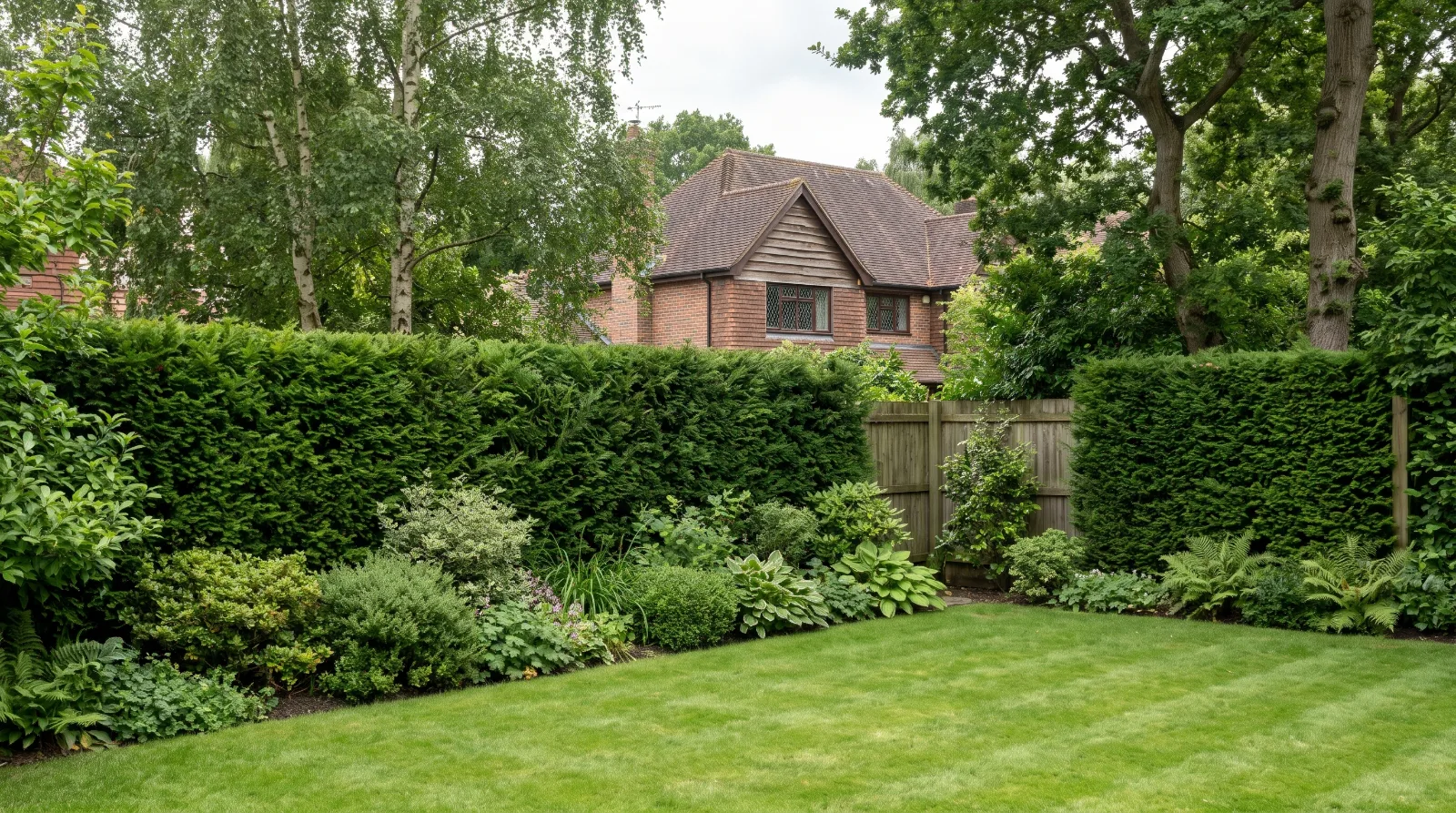
Evergreen shrubs and other plants that retain their foliage can provide structure throughout the year. They can also be particularly useful for screening, defining boundaries and softening walls or fencing.
That does not mean every plant needs to be evergreen. A combination of evergreen structure and deciduous plants often creates a more varied garden.
Plan for Year-Round Interest
Good planting should not rely entirely on summer flowers.
Instead, think about what different plants contribute throughout the year.
Season | Possible features |
|---|---|
Spring | Blossom, bulbs and fresh foliage |
Summer | Flowers, grasses and dense foliage |
Autumn | Changing leaf colour, berries and seed heads |
Winter | Evergreen foliage, bark, stems and structural shapes |
This approach keeps the garden interesting even when individual plants are not flowering.
It also means the garden can look established across more of the year rather than having one short peak followed by a long period of decline.
Use Planting to Improve Privacy
Planting is often used alongside fencing and other screening to make a garden feel more private.
Rather than relying on one row of identical plants, layered planting can create a softer and more natural screen.
For example, taller shrubs or small trees can provide height, while lower shrubs and perennials fill the space underneath.
Planting can also help soften the appearance of a boundary by breaking up large areas of fencing.
However, privacy planting needs to take mature size into account. Plants that are positioned too close to a boundary can eventually become difficult to manage or restrict access.
Match the Planting to the New Landscaping
Planting should work with the hard landscaping rather than being treated as a separate project.
Consider how plants will interact with:
Patios
Decking
Paths
Garden walls
Fencing
Steps
Garden rooms
Pergolas
For example, soft planting can be used around the edges of a large paved area to prevent it from feeling too hard or exposed.
Plants can also help create transitions between different areas. A border beside a patio might separate the entertaining space from the lawn, while taller planting near a garden room can help integrate the structure into the wider garden.
Consider the Soil in Different Parts of Surrey
There is no single soil type across Surrey, so plant selection should be based on the conditions at the property rather than assuming every garden is the same.
Clay soil, for example, can hold plenty of moisture but can become difficult to work when wet and hard when dry. Well-chosen plants can still perform well in these conditions, particularly once the soil has been properly prepared and the planting is suited to it.
In gardens where soil becomes wet during winter and much drier in summer, plant selection becomes even more important. Plants should be chosen for the conditions they will actually experience rather than relying on a general list of “easy” plants.
Don't Overlook Maintenance
A planting scheme can look fantastic on paper but become frustrating if it requires more work than you expected.
Before choosing plants, think about how much time you want to spend maintaining the garden.
A higher-maintenance scheme may include plants that need regular pruning, deadheading or dividing. A lower-maintenance design might rely more heavily on shrubs, ground cover, grasses and plants that do not require constant attention.
This does not mean a low-maintenance garden has to be boring. Using repetition, varying foliage textures and carefully chosen structural plants can create a strong design without filling every border with demanding plants.
Think About Repetition and Plant Groups
One of the easiest ways to make a new garden look cohesive is to repeat plants.
Rather than choosing dozens of completely different species, use a smaller selection and repeat them throughout the garden.
For example, the same ornamental grass could appear in several borders, while one type of shrub could be repeated around a patio and along a boundary.
This creates a visual connection between different areas of the garden.
Planting in groups can also make individual plants more noticeable and prevent a border from looking scattered.
Leave Room for the Garden to Mature
A newly planted garden will not look the same in five years as it does on the day it is finished.
Plants need time to establish, and the gaps that seem noticeable at first can gradually disappear as shrubs, perennials and trees grow.
This is one reason not to judge a planting scheme entirely by how full it looks immediately after installation.
The first few seasons are about establishment. Proper watering, weed control and suitable soil conditions can help plants settle into their new positions. Newly planted areas should be watered thoroughly, particularly during dry periods, until the plants are properly established.
Mulching Can Help Newly Planted Borders
A suitable mulch can be useful around new planting.
Mulch helps cover exposed soil, can reduce weed competition and helps the surface of the soil retain moisture. It also gives newly planted borders a more finished appearance while the plants are establishing.
The type and depth of mulch should be appropriate for the plants and planting scheme. Mulch should also be kept away from direct contact with plant stems and trunks.
Don't Choose Everything at Once
It is easy to become overwhelmed when starting with a completely blank border.
Rather than buying plants individually without a plan, it is better to think about the planting scheme as a whole.
Start with the larger structural plants, then add shrubs and finally the smaller perennials and ground cover.
Consider how everything will look together in terms of:
Height: Where should the tallest plants sit?
Colour: Do the flowers and foliage work together?
Texture: Is there enough contrast between different leaves and forms?
Season: What will provide interest outside summer?
Spacing: Will the plants have enough room to mature?
Maintenance: Can you realistically look after everything?
Laying plants out in their pots before planting can also help you judge spacing and composition and make adjustments before anything is permanently planted.
A Simple Planting Structure for a New Garden
If you are unsure where to begin, a simple structure can make the process much easier.
Start with:
One or two structural plants for height and long-term interest.
Evergreen shrubs to provide year-round framework.
Flowering perennials for seasonal colour.
Grasses or foliage plants for texture and movement.
Ground-cover plants to fill spaces and soften edges.
The exact plants will depend on the site, but this approach gives you a balanced starting point without making the border unnecessarily complicated.
When Is the Best Time to Plant a Newly Landscaped Garden?
The best planting time depends on the plants being installed and the conditions of the site.
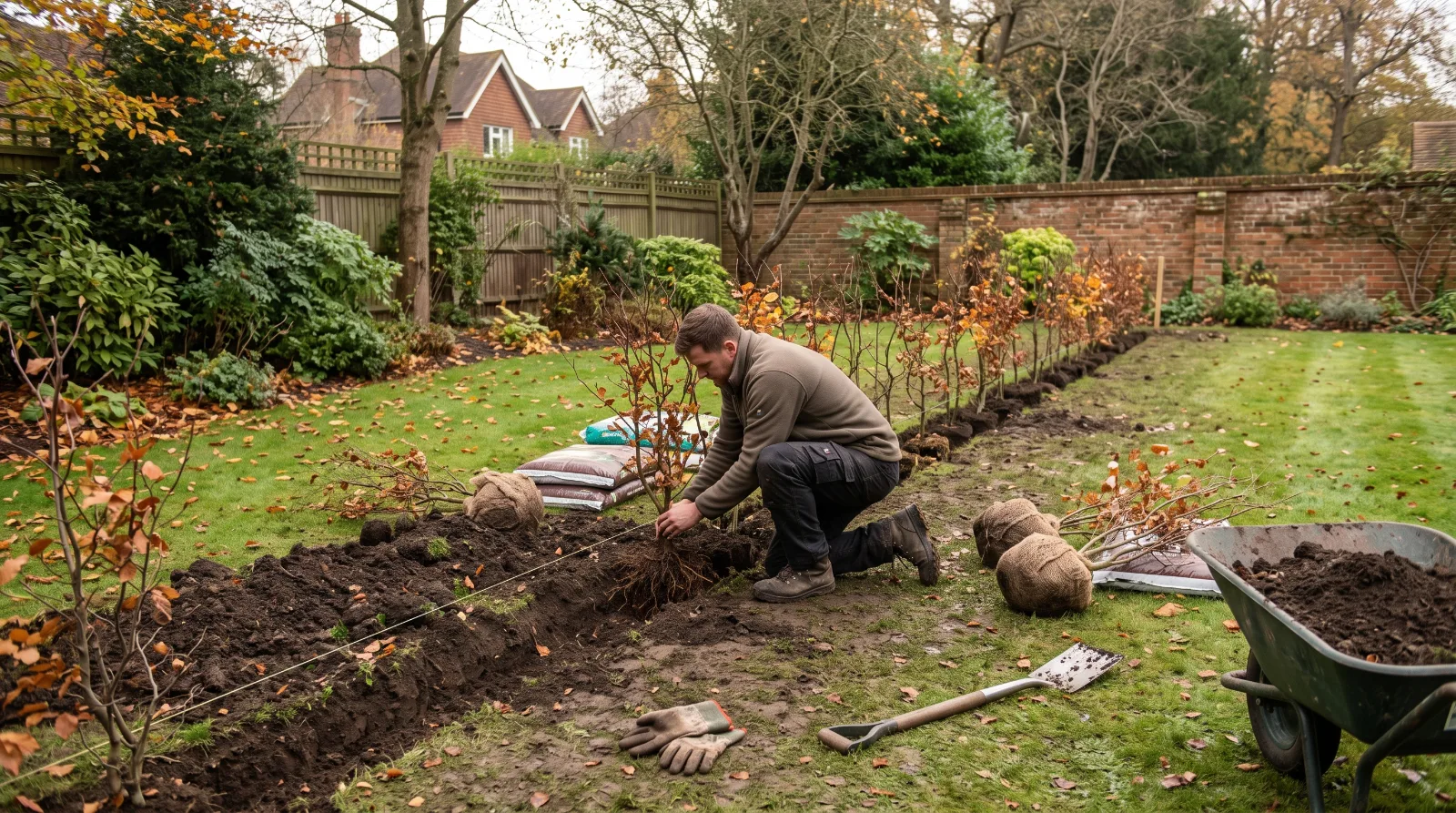
For many trees, shrubs and perennials, autumn can be a useful planting period because the soil is often moist and roots can establish before the demands of the following summer. Spring can also be suitable, particularly for plants that are more sensitive to cold or wet conditions.
The condition of the soil matters just as much as the calendar.
There is little benefit in planting into ground that is badly compacted, waterlogged or otherwise unsuitable. Preparing the planting areas properly gives the new plants a much better starting point.
Common Planting Mistakes to Avoid
A few common mistakes can make a new planting scheme harder to manage later.
Choosing plants without checking the conditions
A plant may look perfect in a catalogue but fail if it does not suit the available light or soil.
Planting too densely
Trying to make a new border look mature immediately can create overcrowding once everything starts growing.
Ignoring mature size
Always consider how large trees and shrubs will become.
Using too many different plants
A very large selection can make a garden look disjointed. Repetition often creates a stronger overall design.
Forgetting winter
Planting only for summer can leave the garden looking bare for much of the year.
Underestimating aftercare
New plants need water and attention while their root systems become established.
Choosing Plants Is Part of the Garden Design
The best planting schemes are not created by simply filling empty borders.
They are designed around the garden itself.
The soil, sunlight, existing trees, boundaries, hard landscaping and the way you use the space all influence which plants will work. A good planting scheme should also consider how the garden will look as everything matures over the years.
For a newly landscaped garden, planting is the stage that can soften new structures, add colour and texture and make the whole space feel established.
Need Help With Planting Your Newly Landscaped Garden?
Choosing the right plants can be difficult when you are also considering soil, spacing, maintenance and how everything will look together.
Surrey Oak Landscapes can help create planting schemes that work alongside your wider garden design, hard landscaping and outdoor living areas.
Planning new planting for your Surrey garden?
About the author