Gravel vs Paving: Which Is Better for a Garden Path?
Choosing between gravel and paving for a garden path? Compare the cost, appearance, maintenance, drainage and practicality of both options.
A garden path does more than connect different areas of your outdoor space. It influences how the garden looks, how easily you can move around it and how much maintenance it needs over time.
Gravel and paving are two popular choices for garden paths, but each offers different advantages. Gravel creates a softer, more natural appearance and is generally cheaper to install. Paving provides a firmer, more structured surface that can be easier to use every day.
So, which is better for your garden? The answer depends on your budget, the style you prefer, how frequently the path will be used and the conditions of your garden.
Gravel vs Paving: What Is the Difference?
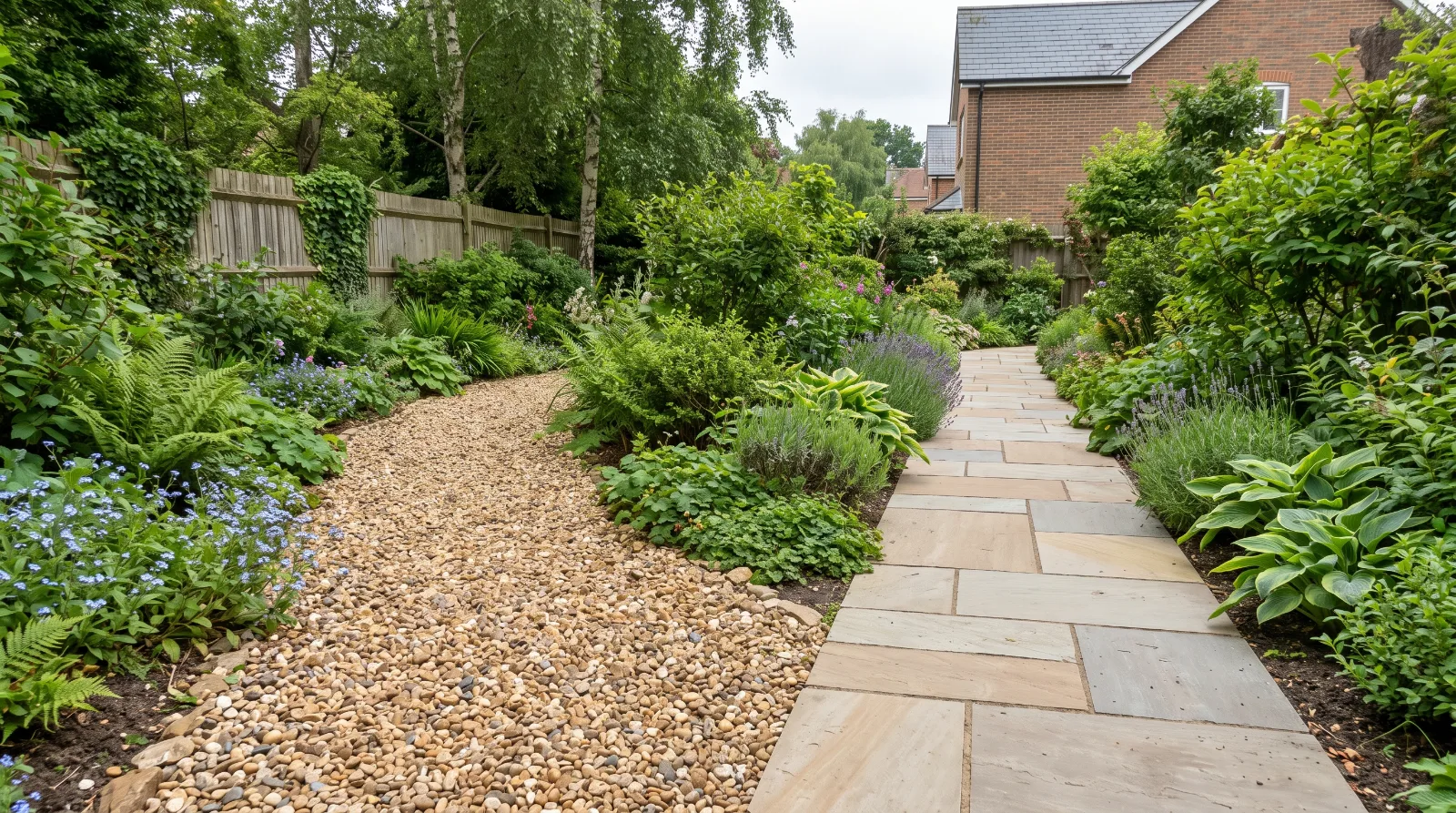
A gravel path is made using loose stone laid over a prepared base, usually with edging to keep the material in place. It suits informal gardens, winding routes and areas where a natural finish is preferred.
A paved path uses slabs, blocks or other solid paving materials to create a defined walking surface. It can complement patios, driveways and contemporary garden designs, creating a consistent look across different areas.
Both can last for years when installed correctly, but the preparation, maintenance and everyday experience differ.
1. Cost: Is Gravel Cheaper Than Paving?
Gravel is generally the more affordable option, particularly for straightforward garden paths. The materials are often less expensive, and installation can be simpler than laying individual paving slabs.
Paving usually involves a greater investment in materials and labour. Costs vary depending on the paving type, the area being covered, ground preparation and the complexity of the design.
However, the cheapest initial option is not automatically the best value in the long term.
A poorly prepared gravel path can develop ruts or spread into surrounding lawns and borders. A paved path can also fail if its foundations are inadequate. Investing in proper installation helps reduce future repair costs.
2. Appearance: Which Looks Better in a Garden?
The visual effect depends on the style of your garden and the materials surrounding it.
When gravel works best
Gravel is particularly suited to traditional, cottage-style and informal gardens. Its texture creates a softer transition between planting beds, lawns and seating areas.
It is available in different stone colours and sizes, allowing you to complement existing brickwork, walls and garden features.
Gravel also works well for gently curving paths that wind between plants or lead towards a secluded seating area.
When paving works best
Paving gives a garden a more defined and orderly appearance. It is a strong choice for modern landscapes, formal gardens and routes that connect a patio, garden room, entrance or outdoor kitchen.
Concrete slabs, natural stone and porcelain paving each offer different finishes, from simple and understated to more refined.
Using materials that complement the main patio or other hard landscaping can help create a cohesive design throughout the garden.
3. Maintenance: Which Is Easier to Look After?
Both surfaces need maintenance, although the type of work differs.
Gravel paths may need regular raking to level the surface, occasional topping up and attention to stones that spread into lawns or planting beds. Weeds can also appear, particularly where debris and soil accumulate.
Paved paths generally do not require the same regular levelling. However, joints may develop weeds or lose their jointing material, while dirt, algae and moss can build up on the surface.
Maintenance task | Gravel path | Paved path |
|---|---|---|
Levelling | May need occasional raking | Usually limited unless slabs move |
Weeds | Can grow between stones or in accumulated debris | Can grow in joints |
Cleaning | Usually straightforward | May require brushing or suitable cleaning |
Replenishing materials | Gravel may need topping up | Individual slabs or jointing may need repair |
Keeping edges tidy | Edging helps prevent stones spreading | Defined edges usually require less attention |
Neither option is completely maintenance-free. The amount of work required depends on the design, surrounding planting, weather exposure and quality of installation.
4. Drainage: Which Is Better in Wet Weather?
Drainage is an important consideration, particularly in gardens where puddles form after heavy rain.
Gravel is generally permeable, allowing water to pass between the stones. This can help reduce surface water, provided the layers beneath it and the surrounding ground allow water to drain away.
Paving creates a more continuous surface, so rainwater needs to be managed through suitable falls, permeable construction or an appropriate drainage arrangement. Poorly planned levels can leave water collecting along the path or against nearby structures.
It is worth remembering that gravel does not solve every drainage problem. Heavy clay soil, a saturated sub-base or a high groundwater level can still cause waterlogging beneath a gravel path.
For either material, proper ground preparation and a suitable route for rainwater are essential.
5. Durability and Everyday Use
A well-installed gravel path can remain in good condition for many years, but the loose surface can shift under frequent use. This may be inconvenient on busy routes or where wheelbarrows and garden equipment regularly pass.
Paving offers a firmer and more consistent walking surface. It is usually the more practical choice for main routes, particularly those used to transport bins, pushchairs, equipment or heavy garden supplies.
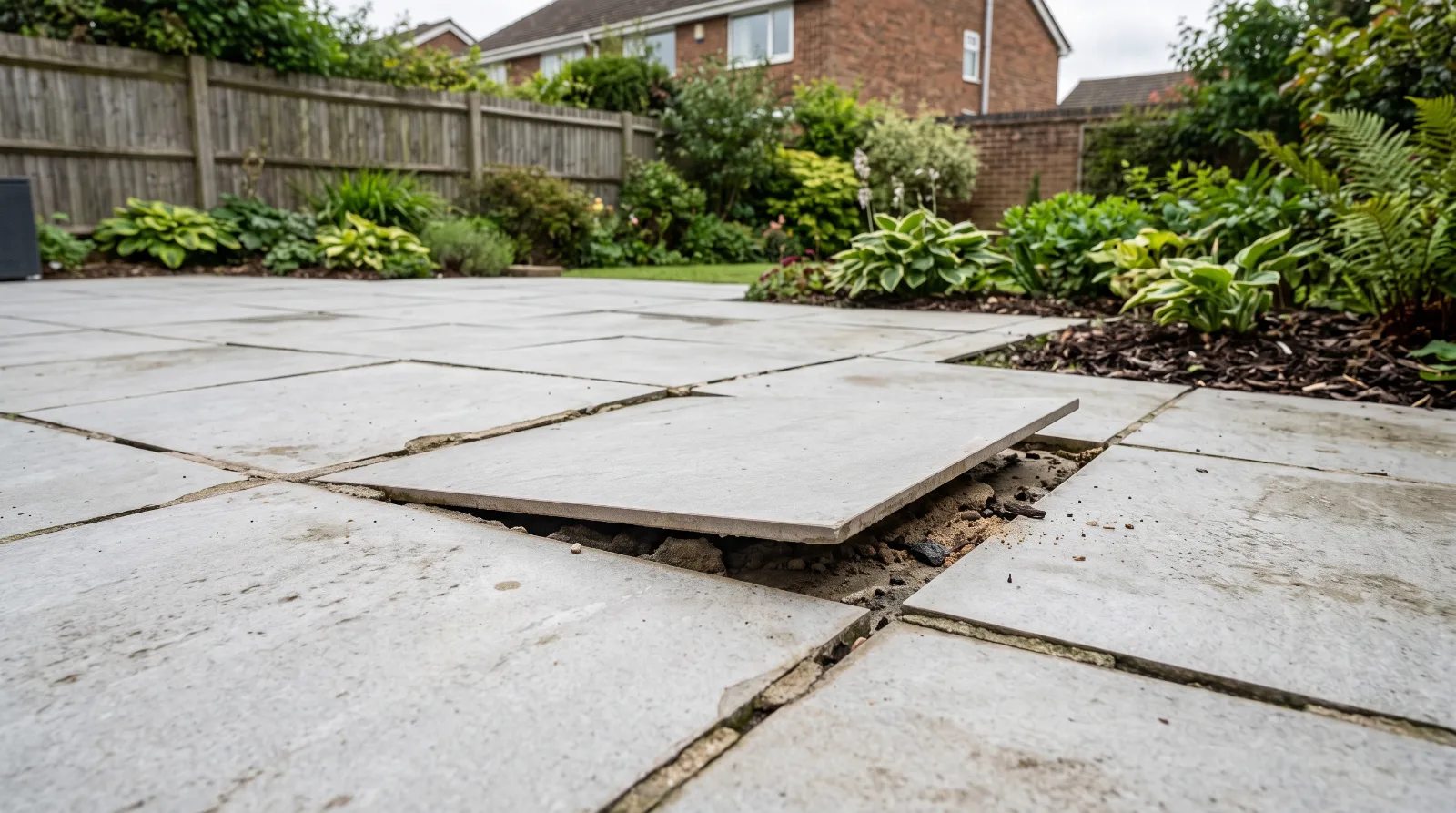
Paved surfaces can still develop problems if the foundations settle or water affects the bedding. Individual slabs may rock, sink or crack and require repair.
For both options, the quality of the installation has a significant effect on the finished result.
6. Which Path Is Easier to Walk On?
Consider who will use the path and how often.
A gravel path can be comfortable for ordinary walking, but loose stones may be difficult for wheelchairs, walking frames and some wheeled equipment. Angular gravel can provide a more stable surface than rounded stones, while compacted self-binding gravel may offer a firmer finish.
Paving is generally better for accessible routes because it creates a continuous, stable surface. However, the slabs need to be level, the joints kept in good condition and the finish chosen carefully to provide suitable grip in wet weather.
For a main route to the house, shed or seating area, paving is often the more practical option. Gravel is better suited to secondary paths where a softer finish matters more than a perfectly firm surface.
Gravel vs Paving: Which Should You Choose?
The right material depends on your priorities.
Your priority | Better option |
|---|---|
Keeping initial costs down | Gravel |
Creating a natural, informal look | Gravel |
Connecting planting beds and lawns | Gravel |
Providing a firm everyday walking route | Paving |
Moving wheelbarrows or wheeled equipment | Paving |
Matching an existing patio | Paving |
Creating a formal or contemporary design | Paving |
There is also no need to choose only one material. A garden can combine paved sections for frequently used routes with gravel paths leading through planting beds or towards less frequently used areas.
This approach can balance practicality, appearance and budget while giving different parts of the garden their own character.
What Matters Most When Installing a Garden Path?
Whichever material you choose, the preparation beneath the surface should not be overlooked.
The ground needs to be prepared to suit the soil conditions, expected use and chosen finish. Gravel paths benefit from a suitable compacted base and effective edging, while paved paths require stable foundations, correctly laid bedding and carefully planned levels.
The path's width and layout also matter. A narrow winding path may suit a secluded garden corner, while a main route needs enough room to be comfortable and convenient to use.
Planning these details before installation can help prevent problems such as sinking, spreading gravel, uneven slabs and standing water.
Create the Right Garden Path With Surrey Oak Landscapes
Gravel and paving can both work well, but the best choice depends on how you use your garden and the look you want to achieve. Gravel offers an affordable, natural finish, while paving provides a defined and practical surface for everyday access.
At Surrey Oak Landscapes, we provide hard landscaping services across Surrey and the surrounding areas. Whether you are planning a simple garden path or incorporating new pathways into a wider garden transformation, thoughtful design and proper preparation help create a finish that works for your outdoor space.
About the author