How to Fix a Waterlogged Garden
Find out how to fix a waterlogged garden, from improving compacted soil and aerating lawns to correcting garden levels and installing suitable drainage. Copy
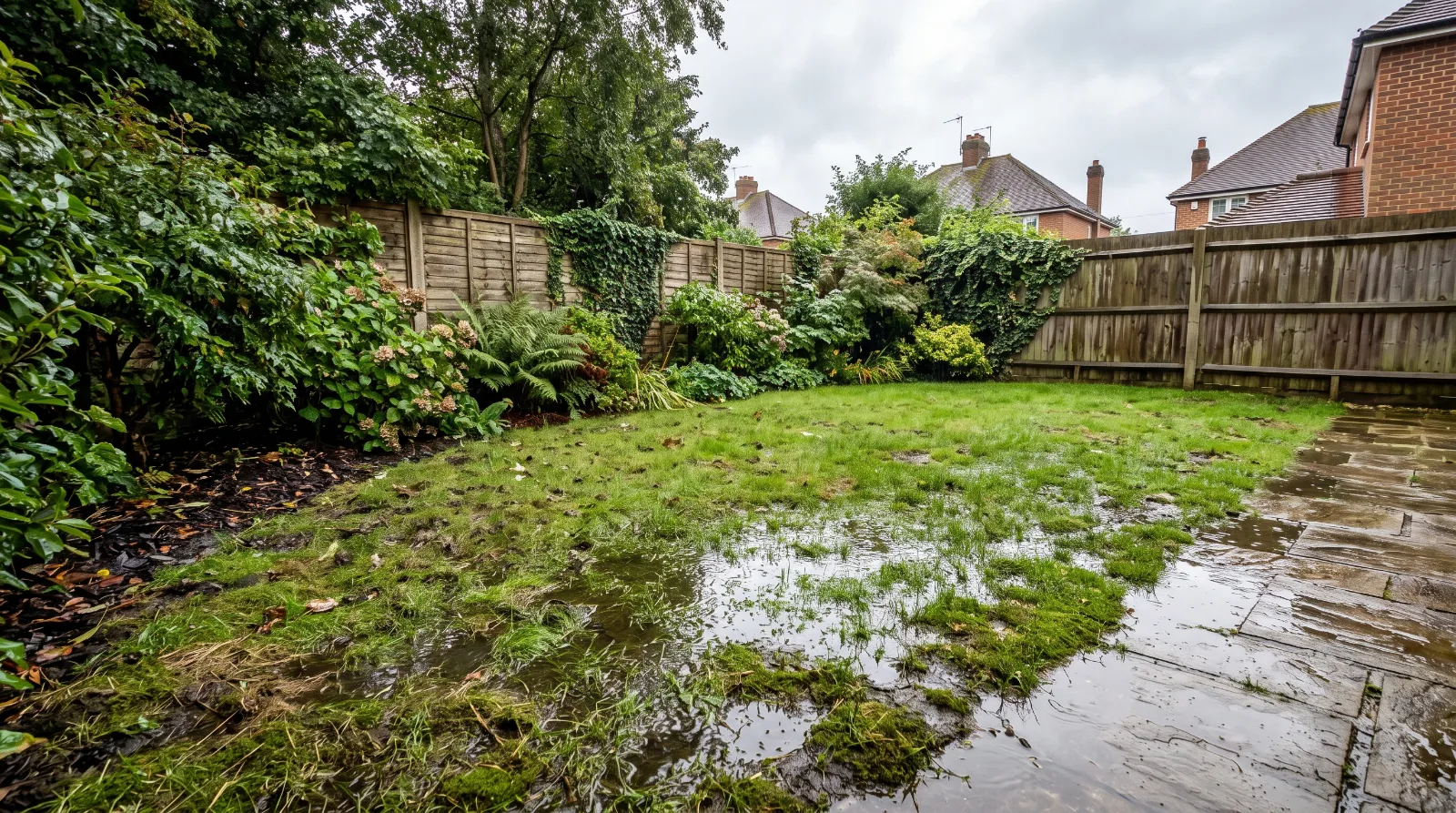
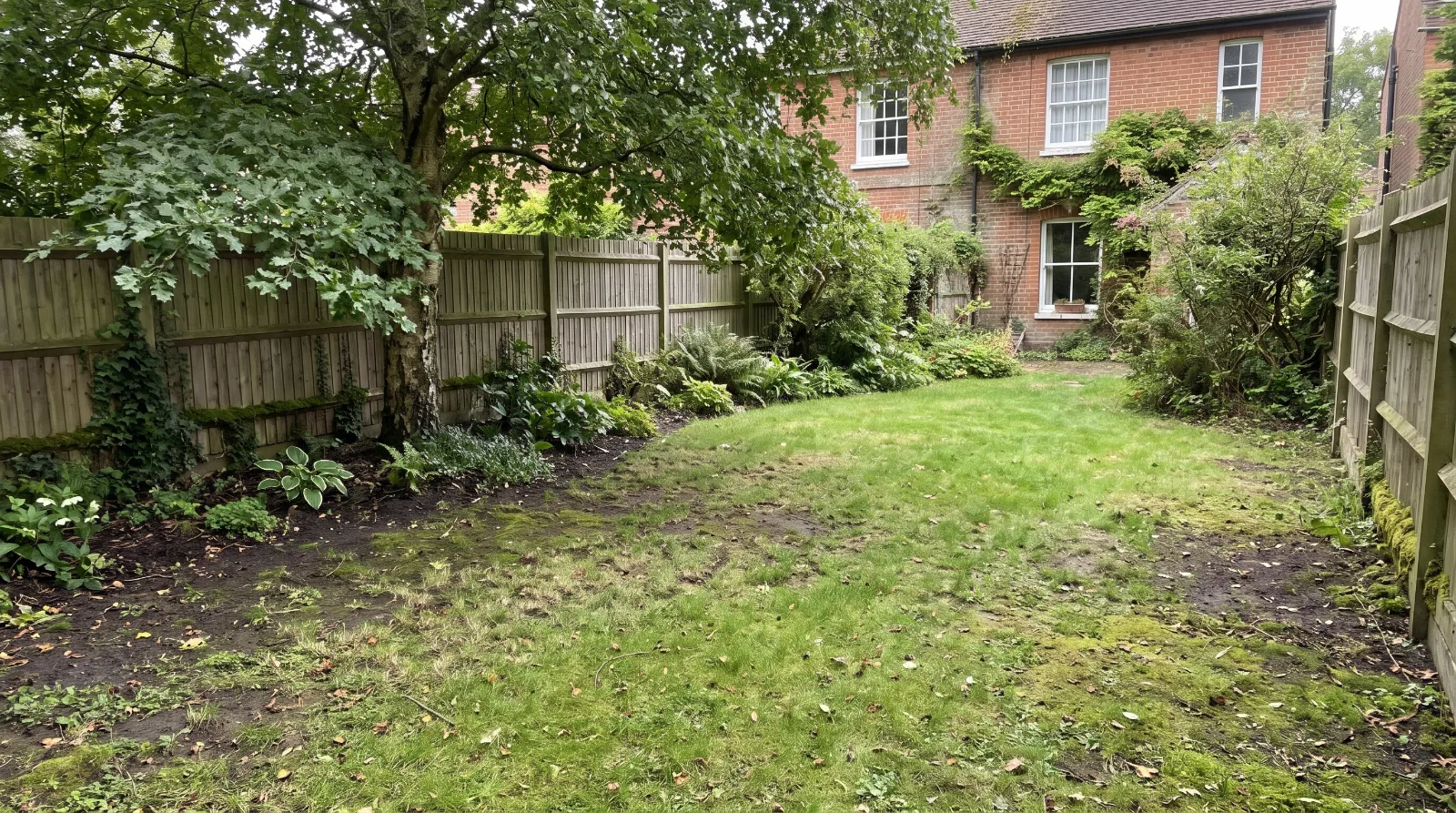
A waterlogged garden can make it difficult to enjoy your outdoor space. Lawns become muddy, puddles remain long after rainfall, and plants may struggle to grow. While occasional surface water is normal during heavy rain, persistent waterlogging usually indicates an underlying drainage or soil problem.
The good news is that many gardens can be improved with the right approach. The key is to identify why water is collecting before deciding on a solution. Depending on the cause, you may need to improve the soil, adjust the garden levels or install a dedicated drainage system.
In this guide, we explain how to fix a waterlogged garden and prevent the problem from returning.
What Causes a Garden to Become Waterlogged?
Several factors can prevent rainwater from draining away properly. Understanding the cause helps you choose a solution that works for your garden.
1. Heavy clay soil
Clay soil contains very fine particles that hold water and allow it to move through the ground slowly. This can leave lawns and planting beds saturated after prolonged rainfall, particularly during autumn and winter.
2. Compacted soil
Regular foot traffic, vehicles and heavy machinery can compress the soil, reducing the spaces through which water and air normally move. This is particularly common in gardens affected by construction work or frequent use.
3. Uneven garden levels
Low spots can collect rainwater, especially where the surrounding ground slopes towards them. Poorly planned patios, lawns and planting areas may also direct water into the wrong parts of the garden.
4. Poor surface drainage
Rainwater running off roofs, driveways and patios can overwhelm nearby areas if there is nowhere suitable for it to drain. Blocked gullies, damaged drains or leaking underground pipes may also contribute to persistent wet patches.
How to Fix a Waterlogged Garden
The best solution depends on the severity of the problem and the condition of your soil. These are the main approaches to consider.
1. Improve the soil structure
If your garden suffers from compacted soil or poor drainage in established borders, improving the soil structure may help.
Once the ground is dry enough to work, loosen compacted areas with a garden fork where practical. Incorporating well-rotted organic matter, such as garden compost, can also improve soil structure over time.
Avoid digging or walking repeatedly over saturated ground, as this can compact the soil further.
Important: Adding a small amount of sand or gravel to heavy clay soil is not a reliable quick fix. Improving clay soil generally requires suitable organic matter and a realistic understanding of the underlying ground conditions.
2. Aerate a waterlogged lawn
If your lawn becomes squelchy after rain, compaction may be preventing water from moving through the soil.
Lawn aeration involves creating holes in the ground to improve the movement of air and water. For mild compaction, a garden fork may be sufficient. More extensive problems may require a hollow-tine aerator or professional lawn renovation.
For best results:
Wait until the ground is moist but not saturated.
Focus on areas where water regularly collects.
Avoid walking or driving over the lawn while it is very wet.
Reassess the drainage after aeration before deciding whether further work is necessary.
Aeration can help with surface compaction, but it will not resolve every drainage problem. Heavy clay beneath the lawn or a high water table may require a different solution.
3. Correct low spots and garden levels
Where water collects in a particular area, the garden's levels may need adjusting.
Regrading involves reshaping the ground to encourage water to move away from problem areas and towards a suitable drainage point. This can be particularly useful when redesigning a lawn, installing a patio or carrying out a wider garden transformation.
However, levels must be planned carefully. Simply moving water elsewhere can create problems for neighbouring properties, buildings or other parts of the garden.
If water consistently collects around a patio or driveway, the surface falls, drainage channels and surrounding ground levels should all be assessed together.
4. Install a French drain or drainage system
For persistent waterlogging, a purpose-designed drainage system may be the most effective option.
A French drain typically consists of a gravel-filled trench containing a perforated drainage pipe. Water enters the trench and is directed towards a suitable discharge point, provided the system has the correct gradient and outlet.
Other options include:
Land drains: Underground perforated pipes that collect and carry excess water away from saturated areas.
Channel drains: Narrow drainage channels commonly installed along patios, driveways and other hard surfaces.
Soakaways: Underground structures designed to allow collected rainwater to disperse into suitable surrounding ground.
Surface drainage: Carefully positioned gullies and channels that collect water before it spreads across the garden.
The right system depends on the soil, ground levels, available space and where the water can safely go. A soakaway, for example, may not work effectively in heavy clay or where the groundwater level is high.
Drainage should always be planned around a suitable outlet and any relevant permissions or restrictions. Installing pipes without addressing the underlying cause can simply move the problem elsewhere.
5. Consider raised beds and suitable planting
Sometimes, the most practical solution is to adapt the garden rather than attempt to drain every part of it.
Raised beds provide a deeper layer of growing medium above the existing ground, helping plants grow in better-drained conditions. Trees and shrubs can also sometimes be planted on slightly raised mounds where appropriate.
If an area remains naturally damp, choosing plants that tolerate moist soil can reduce maintenance and improve the appearance of the garden.
However, raised beds will not resolve standing water across a lawn or prevent flooding around buildings. They are best used as part of a wider plan when necessary.
Which Waterlogging Solution Is Right for Your Garden?
Problem | Possible solution |
|---|---|
Compacted soil in planting beds | Loosen the soil and add suitable organic matter |
Squelchy lawn after rainfall | Lawn aeration and improved soil structure |
Water collecting in low spots | Regrading and correcting garden levels |
Water running off patios or driveways | Channel drains and improved surface drainage |
Persistent saturation across a large area | Professional drainage assessment and possible land drains |
Plants struggling in naturally damp soil | Raised beds or moisture-tolerant planting |
These are starting points rather than guaranteed fixes. A garden can have more than one drainage problem, so it is important to assess the site before choosing a solution.
How to Prevent Your Garden From Becoming Waterlogged Again
Once the immediate problem has been addressed, a few sensible measures can help reduce future waterlogging.
Keep drains clear: Remove leaves and debris from accessible drainage channels and gullies.
Protect the soil: Avoid heavy foot traffic and machinery on saturated lawns and borders.
Choose suitable surfaces: Permeable paving can help rainwater soak into the ground where the underlying soil and design allow it.
Plan garden levels carefully: Ensure patios, paths and lawns direct water towards appropriate drainage points.
Maintain planting beds: Adding organic matter when suitable can support healthier soil structure over time.
Monitor recurring wet patches: Water that appears in the same place after every downpour may indicate a deeper drainage issue.
If the garden remains waterlogged throughout much of the year, or water appears without recent rainfall, investigate further rather than relying on routine maintenance alone.
When Should You Call a Landscaping Professional?
Occasional puddles after heavy rain do not always require major work. However, professional advice is worthwhile when water remains for several days, the lawn repeatedly turns to mud, plants continue to deteriorate or water collects close to the house.
A landscaping professional can assess the soil, ground levels, existing surfaces and drainage arrangements before recommending a suitable solution. This is particularly important for larger gardens, sloping sites and properties where water needs to be redirected safely.
Depending on the site, the work may involve improving the ground, reshaping levels, installing drainage or combining several measures as part of a wider landscaping project.
Fix Your Waterlogged Garden With Surrey Oak Landscapes
A waterlogged garden does not have to remain muddy, difficult to maintain or unusable during wet weather. With the right assessment and a well-planned solution, it is often possible to improve drainage and make better use of your outdoor space.
At Surrey Oak Landscapes, we provide landscaping and groundworks services across Surrey and the surrounding areas. Whether your garden needs improved levels, drainage work or a more comprehensive redesign, the first step is understanding what is causing the problem.
About the author