Can You Use a Garden Room All Year Round?
Can you use a garden room all year round in Surrey? Learn how insulation, heating, glazing and ventilation help create a comfortable space for work, hobbies and relaxation in every season.
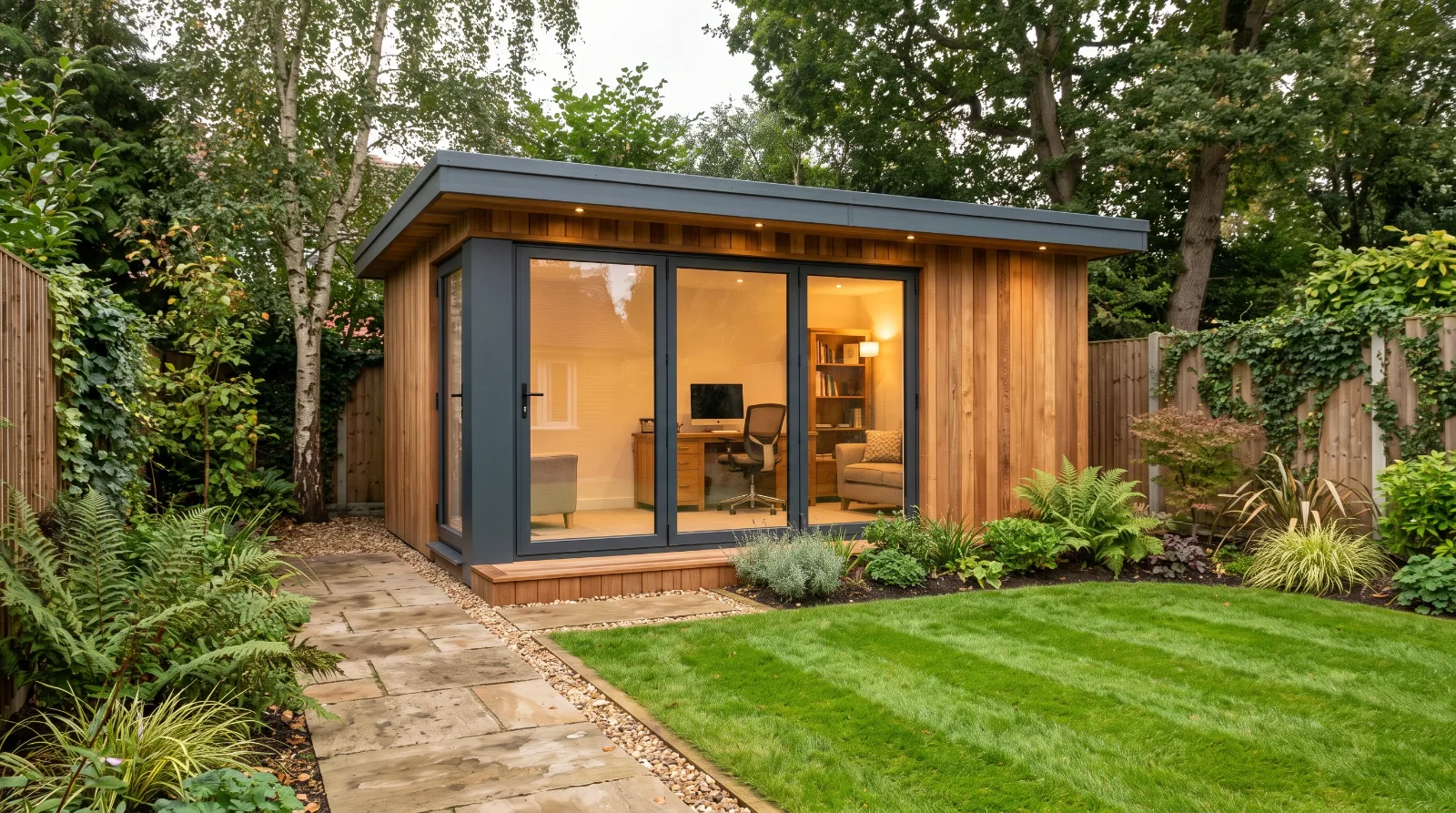
A garden room can provide valuable extra space for working, relaxing, exercising or enjoying hobbies without extending the main house. However, one of the biggest questions homeowners face is whether it will remain comfortable when temperatures drop in winter or rise during the summer.
The answer depends largely on how the garden room is designed and constructed. Insulation, heating, glazing and ventilation all play an important role in determining whether the space is suitable for regular use throughout the year.
For homeowners in Surrey, planning these details from the beginning can help create a garden room that is practical in every season, rather than a space that only gets used when the weather is warm.
Can a Garden Room Really Be Used All Year Round?
Yes, a properly designed garden room can be used throughout the year. The important distinction is between a basic garden building intended for occasional seasonal use and an insulated room designed for regular occupation.
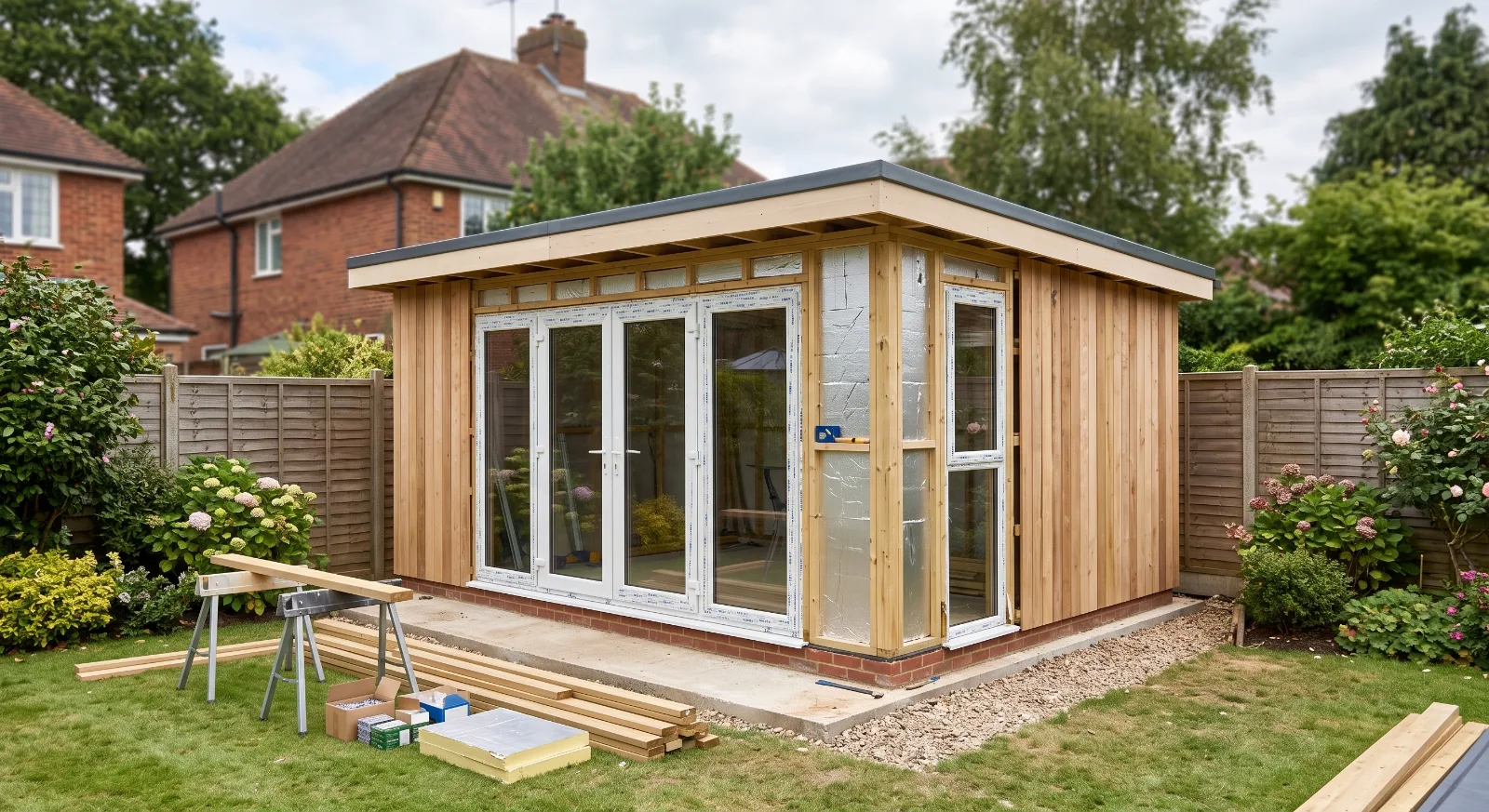
A lightweight summerhouse may be suitable for enjoying the garden on mild days, but it may become cold during winter and uncomfortably warm during hot weather. A year-round garden room needs a more considered specification, with the building fabric, windows, doors and heating working together.
Whether you intend to use the space as a home office, gym, studio or relaxation room, its intended purpose should guide the design from the outset.
1. Choose the Right Insulation
Insulation is one of the most important factors in maintaining a comfortable temperature. It slows heat loss during colder months and helps limit unwanted heat transfer when outdoor temperatures rise.
For regular year-round use, insulation should be considered throughout the building rather than in the walls alone.
Walls: Suitable insulation helps reduce heat loss and makes the internal space easier to keep warm.
Roof: Heat can escape through a poorly insulated roof, making this an important part of the overall design.
Floor: Floor insulation helps reduce heat loss to the ground and improves comfort underfoot.
The quality of the installation matters as much as the materials themselves. Gaps, poorly sealed joints and areas of inadequate insulation can create cold spots and reduce overall performance.
When comparing garden rooms, ask what insulation is included in the walls, roof and floor, and how the different components work together.
2. Install Suitable Heating
Even a well-insulated garden room will generally need heating during colder periods if it is used regularly. The right system depends on the size of the room, its insulation, how often it is occupied and the activities taking place inside.
Common options include electric panel heaters, electric radiators and air-conditioning systems that also provide heating.
For a home office used throughout the working week, responsive heating and convenient temperature controls can make a noticeable difference. A garden room used occasionally may have different requirements.
Good insulation should be the starting point. Relying on a powerful heater to compensate for a poorly insulated structure can lead to unnecessary energy use and uneven comfort.
It is also worth considering how quickly the room needs to warm up. A space that is only occupied for a few hours each day may benefit from a system that can bring it to a comfortable temperature when needed.
3. Consider Windows and Doors Carefully
Windows and doors influence both the appearance and thermal performance of a garden room. Large glazed doors can create a bright, open space with attractive views across the garden, but the glazing specification matters.
Good-quality double glazing, appropriately insulated frames and well-fitted seals can help reduce heat loss and draughts. Poorly fitted doors or gaps around window frames can undermine the performance of an otherwise well-insulated building.
The amount and position of glazing should also suit the garden and the intended use of the room.
For example, a home office may benefit from plenty of natural light, while a room with extensive south-facing glazing may need additional shading to prevent excessive heat build-up during summer.
The aim is to balance natural light, views, privacy and temperature control rather than choosing windows based on appearance alone.
4. Plan for Summer Comfort
Year-round use is not just about keeping a garden room warm in winter. A room that becomes excessively hot during summer can be just as difficult to use.
The design should account for sunlight, ventilation and the amount of glazing. Direct sunlight through large windows can increase internal temperatures, particularly in smaller rooms.
Several features can help improve summer comfort:
External shading: Suitable blinds, canopies or carefully positioned planting can reduce direct solar gain.
Ventilation: Openable windows and doors allow fresh air to circulate when outdoor conditions are suitable.
Air conditioning: For rooms that are frequently occupied or particularly exposed to the sun, cooling may be worth considering.
Thoughtful positioning: The orientation of the building and the surrounding trees, fences and structures can influence how much sunlight it receives.
These decisions are easier to incorporate during the design stage than to address after installation.
5. Make Sure the Room Is Properly Ventilated
Insulation helps control heat loss, but a garden room also needs suitable ventilation. Everyday activities introduce moisture into the air through breathing, exercise and other sources. Without adequate ventilation, that moisture can contribute to condensation and musty smells.
Condensation may occur when warm, moist air comes into contact with colder surfaces, such as windows or poorly insulated areas. If moisture problems persist, they can damage finishes and create conditions that encourage mould growth.
Opening windows can provide ventilation in many situations, although rooms used frequently or for activities that generate substantial moisture may need a more considered ventilation arrangement.
The building must also be constructed with appropriate moisture control and weather protection. Ventilation alone will not resolve leaks, defective seals or inadequate insulation.
If a garden room is intended for use as a gym, treatment room or another space with particular ventilation requirements, these should be discussed before the design is finalised.
6. Match the Design to How You Will Use the Room
Different uses place different demands on a garden room. Thinking about its purpose early helps determine which features are worth investing in.
Intended use | Important considerations |
|---|---|
Home office | Reliable heating, natural light, ventilation and power supply |
Garden gym | Fresh air, ventilation, suitable flooring and temperature control |
Art or hobby studio | Lighting, storage, ventilation and space for equipment |
Relaxation room | Comfortable heating, privacy, glazing and lighting |
Entertainment room | Electrical provision, sound considerations and comfortable seating |
A room intended for occasional summer use may not require the same specification as one used every weekday throughout winter. Being clear about your needs helps you avoid paying for features you do not need or overlooking those that are essential.
It is also important to consider electricity, internet connectivity and any other services required for the room's intended purpose.
7. Prepare the Site Properly
The performance of a garden room depends on more than its insulation and internal finishes. Ground conditions, foundations, drainage and the quality of the installation all contribute to its long-term durability.
A suitable base helps support the structure, while effective drainage reduces the risk of persistent water collecting around or beneath the building. The surrounding ground should be planned so that rainwater does not drain towards the structure or compromise its base.
In Surrey, individual gardens can present different challenges, including sloping ground, restricted access and established trees. These factors should be assessed before the installation begins.
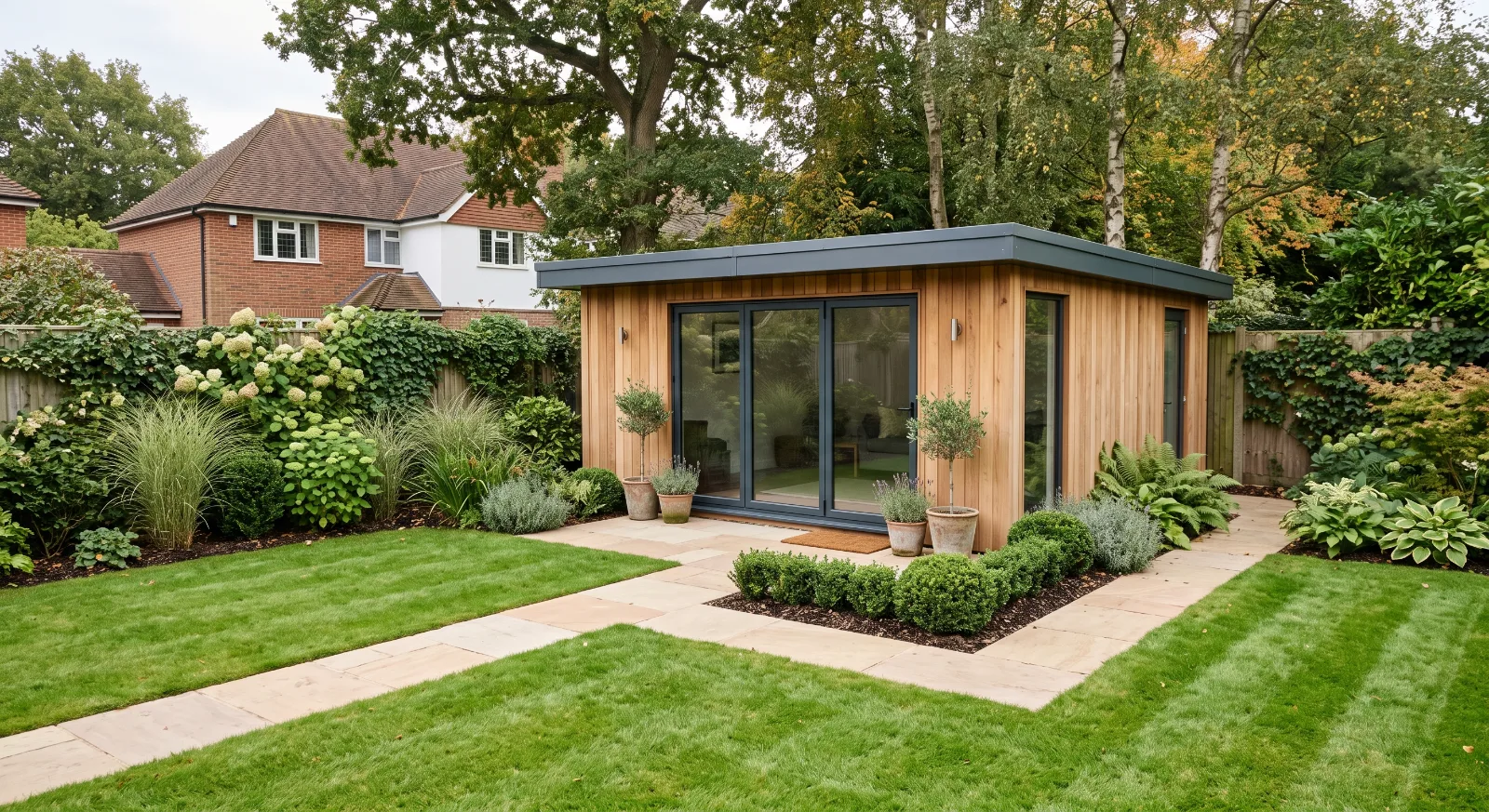
The position of the garden room should also work with existing paths, patios, planting and boundaries. Integrating the building into the wider garden design helps create a more cohesive result and makes access easier throughout the year.
What Should You Check Before Choosing a Garden Room?
Before committing to a garden room, ask the installer to explain the proposed specification and what is included in the price.
Use the following checklist to guide your discussions:
Is the room designed for regular use throughout the year?
What insulation is provided in the walls, roof and floor?
What type of windows, doors and seals are included?
What heating and ventilation options are available?
How will summer overheating and direct sunlight be managed?
Is the base suitable for the ground conditions and building design?
Are electrical installation and internal finishes included?
Have access, drainage and the surrounding landscaping been considered?
It is also worth clarifying any exclusions, warranties and maintenance requirements before work starts. Comparing the complete specification is more useful than judging garden rooms on their advertised price alone.
Create a Garden Room You Can Enjoy in Every Season
A garden room can be a valuable addition to your property, providing flexible space for work, hobbies or relaxation without taking up room inside the main house. To make the most of it, the design needs to consider more than its appearance.
Suitable insulation, effective heating, quality glazing, ventilation and careful site preparation all contribute to a comfortable and durable building. Just as importantly, the room should suit your intended use and fit naturally into the surrounding garden.
At Surrey Oak Landscapes, we consider how garden rooms work alongside the wider outdoor space, including access, levels, planting and surrounding landscaping.
Planning a garden room in Surrey? Contact Surrey Oak Landscapes to discuss your project and request a free, no-obligation quote.
About the author