Can You Resurface an Existing Driveway?
Can an old driveway be resurfaced? Learn when resurfacing works, what preparation is involved and when repairing or replacing the existing driveway makes more sense.
Replacing a driveway can be a major landscaping project, particularly when the existing surface covers a large area.
If your current driveway looks tired, worn or dated, you may wonder whether it needs to be completely removed or whether it can simply be resurfaced.
In some cases, resurfacing can be a practical way to give an existing driveway a new finish without rebuilding the entire structure from scratch. However, it is not suitable for every driveway.
The condition of the existing surface, the strength of the supporting layers, drainage and the type of new surface you want to install all need to be considered first.
A new surface cannot permanently solve serious problems underneath it.
What Does Driveway Resurfacing Mean?
Driveway resurfacing generally means renewing the top surface of an existing driveway rather than completely excavating and rebuilding the whole construction.
The exact process depends on the condition of the existing driveway and the new material being installed.
For example, an existing tarmac driveway with a sound base may be suitable for a new tarmac layer, while a driveway being converted to resin bound may require preparation and repairs before the new surface is installed.
Resurfacing can therefore range from relatively straightforward surface renewal to a more involved process of repairing and preparing the existing driveway before applying the new finish.
Can Every Driveway Be Resurfaced?
No.
The existing driveway needs to provide a suitable foundation for the new surface.
A driveway with a stable structure and relatively minor surface deterioration may be a good candidate for resurfacing.
A driveway suffering from widespread settlement, major cracks, serious drainage problems or structural failure may need more extensive work.
Before resurfacing, look at:
Cracks
Sunken areas
Ruts
Potholes
Loose sections
Edge failure
Standing water
Signs of movement
If the underlying driveway is moving, resurfacing it may simply hide the problem temporarily.
When Is Resurfacing a Good Option?
Resurfacing can make sense when the driveway is structurally sound but the surface has become worn or unattractive.
For example, you may have:
An ageing tarmac surface
Minor surface cracking
General weathering
A dated appearance
Small areas of surface damage
A driveway that is still level and stable
In these circumstances, renewing the surface can potentially provide a significant visual improvement without rebuilding everything beneath it.
When Is Resurfacing Not Suitable?
Resurfacing becomes less appropriate when the problems go deeper than the surface.
Major settlement
If sections of the driveway have sunk substantially, the new surface may follow the movement underneath.
Widespread cracking
Extensive structural cracking can indicate that the supporting layers need attention rather than simply another surface coating.
Serious drainage problems
If water is repeatedly collecting because of incorrect falls or underlying drainage issues, a new surface alone will not necessarily solve the problem.
Weak or failed foundations
If the supporting layers have deteriorated or were poorly constructed originally, they may need to be removed and rebuilt.
Significant movement
A surface can only perform properly when it has stable support beneath it.
These situations may call for reconstruction rather than straightforward resurfacing.
Can You Resurface a Tarmac Driveway?
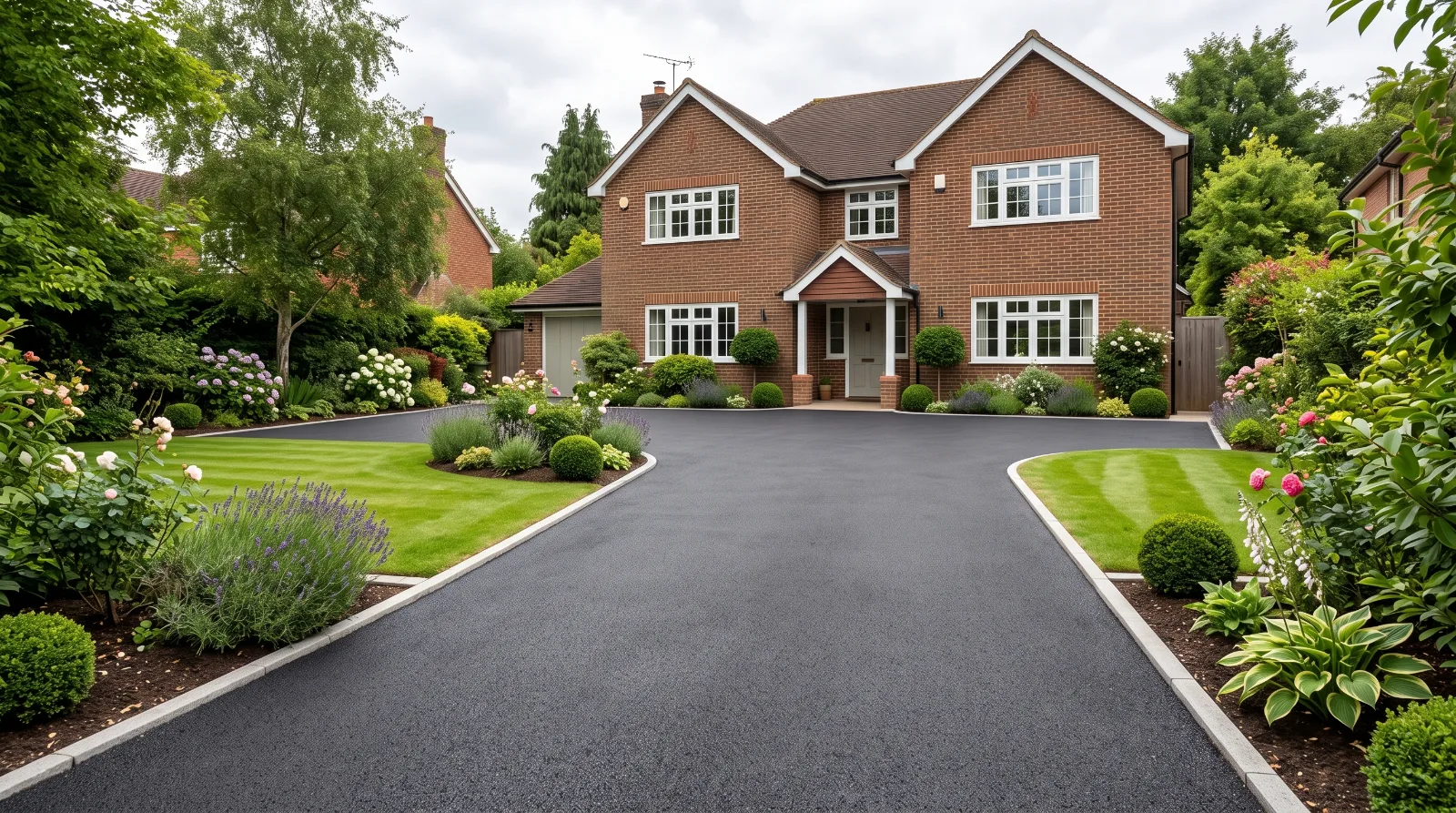
Tarmac is one of the driveway surfaces where resurfacing can sometimes be particularly practical.
Where the existing surface and foundation are stable, a new tarmac layer may be installed over the existing driveway after suitable preparation.
However, damaged areas should not simply be buried underneath the new surface.
Weak spots, potholes and substantial cracks may need to be repaired first so that problems do not quickly reappear through the new layer.
The existing driveway also needs to be clean, stable and correctly shaped so the new surface has a suitable base.
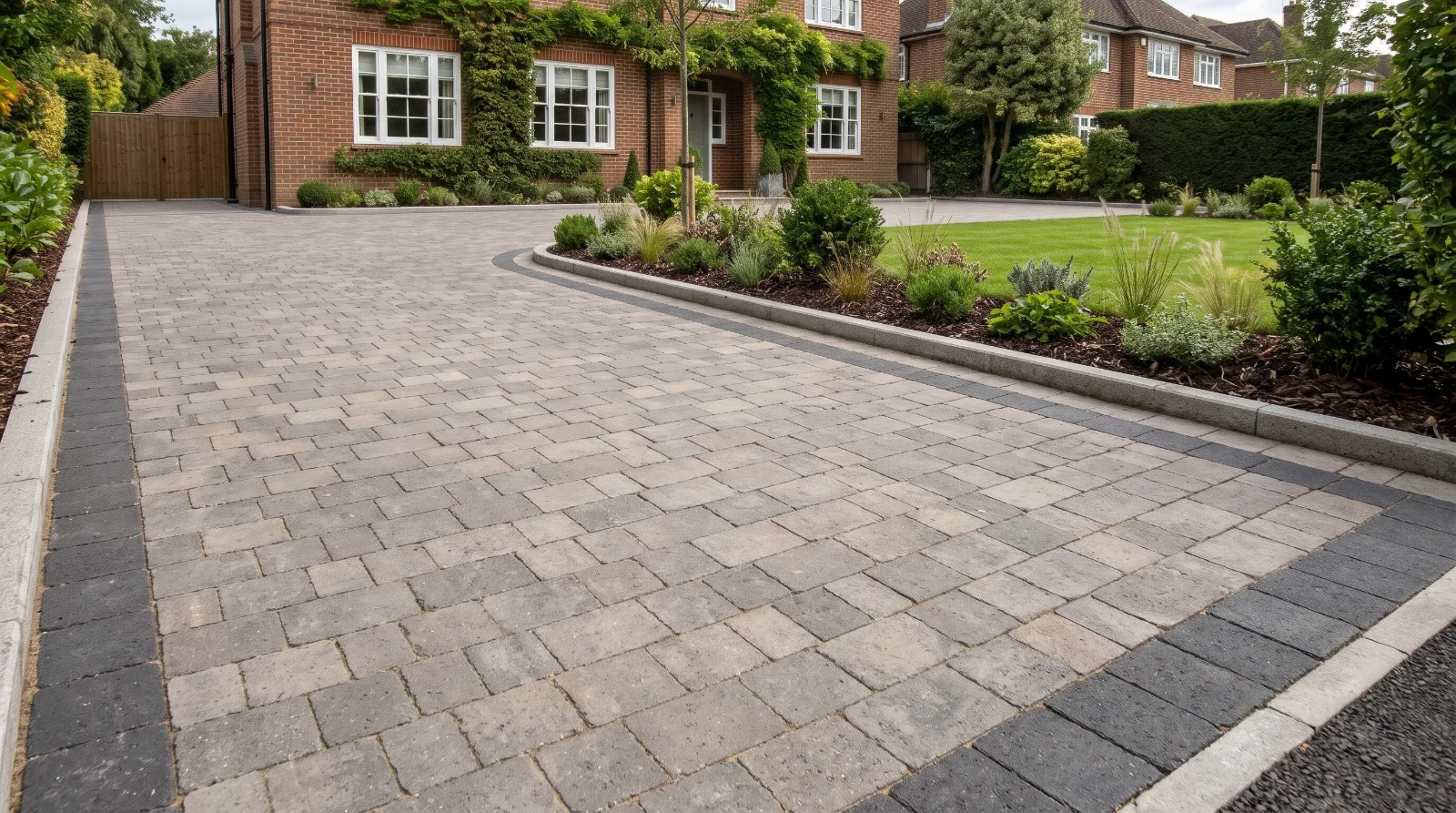
Can You Resurface a Block Paved Driveway?
Block paving is slightly different.
You do not normally “resurface” block paving in the same way as tarmac.
Instead, individual blocks can often be lifted, the underlying area corrected and the blocks reinstated.
This makes block paving useful where the problem is localised.
For example, if a small section has sunk, the affected blocks can potentially be removed, the foundation repaired and the paving relaid.
If the entire driveway is tired or the layout is no longer suitable, you may decide to replace the block paving completely.
Can You Put Resin Bound Over an Existing Driveway?
Potentially, yes, depending on the existing surface.
Resin-bound surfacing is installed as a surface layer over a suitable existing base. A sound tarmac or concrete surface may provide a suitable starting point, but preparation is still important.
Any significant cracks, uneven areas or structural weaknesses in the existing driveway need to be addressed first.
The resin-bound surface should not be treated as a way of hiding a failing driveway.
Resin-bound surfacing also relies on the underlying surface remaining stable. If the base moves, that movement can eventually become visible in the finished resin surface.
Can You Resurface Concrete?
Concrete can sometimes be resurfaced, but its existing condition is particularly important.
A concrete driveway with minor surface deterioration may be suitable for certain resurfacing systems.
However, large cracks, significant movement or major settlement can make a simple resurfacing approach unsuitable.
The existing slab needs to be assessed before deciding whether a new surface can be successfully applied.
Where the concrete has failed structurally, replacing the affected area may be a better long-term solution.
What Happens Before Resurfacing?
Good resurfacing starts with preparation.
The existing driveway should be assessed to identify areas that need attention before the new surface is installed.
Depending on the project, preparation may include:
Cleaning
Dirt, loose material, moss and other contamination need to be removed so the existing surface can be assessed and prepared properly.
Repairs
Cracks, potholes, weak areas and localised defects may need to be repaired.
Levelling
Low areas or uneven sections may need to be corrected before the new finish is applied.
Edge preparation
The edges of the driveway may need additional support or adjustment, particularly where they have deteriorated.
Drainage checks
The existing falls and drainage should be assessed before resurfacing.
This is important because resurfacing can alter finished levels, particularly around entrances, paths and drainage points.
Why Is the Existing Base So Important?
The surface you see is only one part of a driveway.
Underneath it are layers designed to provide support and distribute vehicle loads.
If those layers are stable, a suitable new surface can potentially perform very well.
If they are weak, no surface material can completely compensate for the problem.
This is why resurfacing should never be judged solely by how the driveway looks from above.
A driveway can look relatively reasonable while still having underlying problems that become obvious once additional loading or weather exposure occurs.
Will Resurfacing Hide Cracks?
It can hide cracks temporarily, but that does not mean the underlying movement has disappeared.
If a crack is caused by movement in the supporting construction, the same movement can eventually appear through the new surface.
This is particularly important with rigid or bonded surfacing systems.
Before resurfacing, the cause of the damage should therefore be considered rather than simply covering the visible defect.
What About Drainage?
Drainage should be considered as part of any driveway resurfacing project.
Existing drainage problems can include:
Water collecting near the house
Puddles forming in low areas
Poor falls
Blocked drainage channels
Water flowing towards unwanted areas
A resurfacing project is an opportunity to review these issues before installing the new finish.
Simply adding another surface layer without considering levels can sometimes make drainage problems worse.
Where the driveway needs a new fall or additional drainage, that work may need to happen before the final surface is installed.
Can Resurfacing Improve the Look of an Old Driveway?
Yes.
This is one of the main reasons homeowners choose resurfacing.
A tired driveway can make an otherwise attractive property look dated.
A renewed surface can create a cleaner and more consistent appearance, particularly when combined with new edging or surrounding landscaping.
You can also use resurfacing as an opportunity to change the character of the frontage.
For example, an old tarmac driveway could potentially be replaced with a more decorative resin-bound surface where the existing construction is suitable.
Can You Change the Driveway Material?
Sometimes.
Whether you can change from one surface to another depends on the condition and construction of the existing driveway.
For example, a suitable tarmac or concrete base may sometimes provide a foundation for another surfacing system.
However, this should be assessed on a project-by-project basis.
A change of material can also affect:
Finished levels
Drainage
Edging
Thresholds
Access
Appearance
The cheapest approach is not always to put a new material directly over what is already there.
Sometimes removing the existing driveway provides a much better foundation for the new design.
Resurfacing vs Full Driveway Replacement
Resurfacing | Full replacement |
|---|---|
Retains much of the existing construction | Existing driveway is removed |
Can reduce excavation | Requires more groundworks |
Suitable for sound existing surfaces | Suitable when underlying structure has failed |
Often less disruptive | More extensive project |
Can refresh appearance | Allows complete redesign |
Limited by existing levels and layout | Greater design flexibility |
The important question is not simply which option costs less.
It is which option provides the right result for the condition of the driveway.
What Are the Benefits of Resurfacing?
When suitable, resurfacing can offer several advantages.
Less disruption
Keeping a sound underlying structure can reduce the amount of excavation and removal required.
A refreshed appearance
A new surface can completely change the look of an ageing driveway.
More design options
Depending on the existing base, resurfacing can allow you to change the finish or introduce a more modern appearance.
Potentially lower cost
If the existing construction does not need to be removed and rebuilt, there may be less groundwork involved.
However, resurfacing should not be chosen simply because it appears cheaper.
A poorly selected resurfacing project can become more expensive if the underlying problems return and further work is required.
What Are the Limitations?
Resurfacing also has disadvantages.
It cannot fix every structural problem
Serious failure beneath the surface may still require reconstruction.
Existing levels remain important
The new surface needs to work around thresholds, drainage and surrounding ground levels.
Existing defects may return
Movement below the surface can eventually appear through the new finish.
The layout may remain unsuitable
If you have too little parking space, poor vehicle access or an awkward shape, resurfacing alone does not solve those design problems.
Sometimes the right answer is to redesign the driveway rather than simply refresh it.
How Long Does a Resurfaced Driveway Last?
There is no single lifespan that applies to every resurfaced driveway.
It depends on:
Existing foundation
New surface material
Quality of preparation
Installation quality
Vehicle use
Drainage
Weather exposure
Ongoing maintenance
A well-prepared and stable base gives the new surface a much better starting point.
A weak or moving base can shorten the useful life of the finished surface considerably.
What Does Driveway Resurfacing Cost?
Resurfacing costs vary significantly depending on the driveway and the new material.
The size of the area is an obvious factor, but it is not the only one.
You may also need to budget for:
Surface preparation
Repairs
Excavation
Drainage
Edging
Waste removal
Access
New surfacing material
Additional landscaping
A driveway requiring very little preparation can be considerably different in price from one that needs extensive repairs before the new surface can be installed.
This is why a site assessment is usually more useful than relying on a simple price per square metre.
Should You Resurface or Replace Your Driveway?
Ask yourself what is actually wrong with the driveway.
If the surface looks tired but remains stable
Resurfacing may be worth considering.
If there are a few localised defects
Repairs may be enough.
If the driveway is sinking in several areas
The underlying construction probably needs closer investigation.
If drainage is causing repeated problems
The drainage and levels should be addressed before deciding on the new surface.
If you want a completely different layout
A full replacement may give you much more flexibility.
If the foundation has failed
Rebuilding is likely to be more appropriate than simply adding another surface.
What Should You Ask a Driveway Contractor?
Before agreeing to resurfacing, ask what is actually being done beneath the new surface.
A good quotation should explain:
What preparation is included?
Will damaged areas be repaired first?
Is the existing base suitable?
Will drainage be changed or improved?
What material will be used for the new surface?
How will the edges be finished?
What happens to any waste?
Is the price for resurfacing only or does it include additional groundwork?
Understanding the specification makes it much easier to compare different quotations.
Can Resurfacing Be Combined With Other Improvements?
Yes.
A driveway resurfacing project can be a good opportunity to improve the rest of the frontage.
For example, you could combine a new surface with:
New edging
Planting beds
Fencing
New paths
Driveway gates
Exterior lighting
Front garden landscaping
This can produce a much bigger improvement than simply changing the surface.
A well-designed driveway should work with the house and front garden rather than appearing as an isolated surface.
Is Resurfacing Right for Your Driveway?
Resurfacing can be an excellent option when the existing driveway is stable, structurally sound and worth retaining.
It can refresh an ageing surface, improve kerb appeal and potentially allow you to change the appearance without completely rebuilding the entire driveway.
However, resurfacing is not a shortcut around serious construction problems.
If the driveway is sinking, heavily cracked, poorly drained or structurally weak, those issues need to be addressed first.
The best approach is therefore to assess the existing driveway before deciding whether to resurface, repair or replace it.
Give Your Existing Driveway a New Lease of Life
A tired driveway does not always need to be ripped out and completely rebuilt.
Where the underlying construction is sound, resurfacing can provide a practical way to create a cleaner, newer and more attractive finish.
The important part is understanding what is underneath the surface.
Good preparation + a suitable existing base + the right surface = a better chance of a long-lasting result.
For homeowners considering resurfacing, the first step should always be an assessment of the existing driveway and what you want the finished space to achieve.
Need Driveway Resurfacing in Surrey?
Whether your existing driveway needs a new surface, repairs or a complete redesign, the right solution depends on its current condition and how you want the finished driveway to look and perform.
Surrey Oak Landscapes can help with driveway surfacing, ground preparation, drainage, edging and wider landscaping to create a practical and attractive entrance to your home.
Thinking about resurfacing your driveway in Surrey? Get in touch with Surrey Oak Landscapes for a free, no-obligation quote.
About the author