When Is the Best Time to Prune Trees in the UK?
Not sure when your trees need pruning? Learn how pruning times vary by tree species, season and the type of work required, with practical advice for Surrey homeowners.
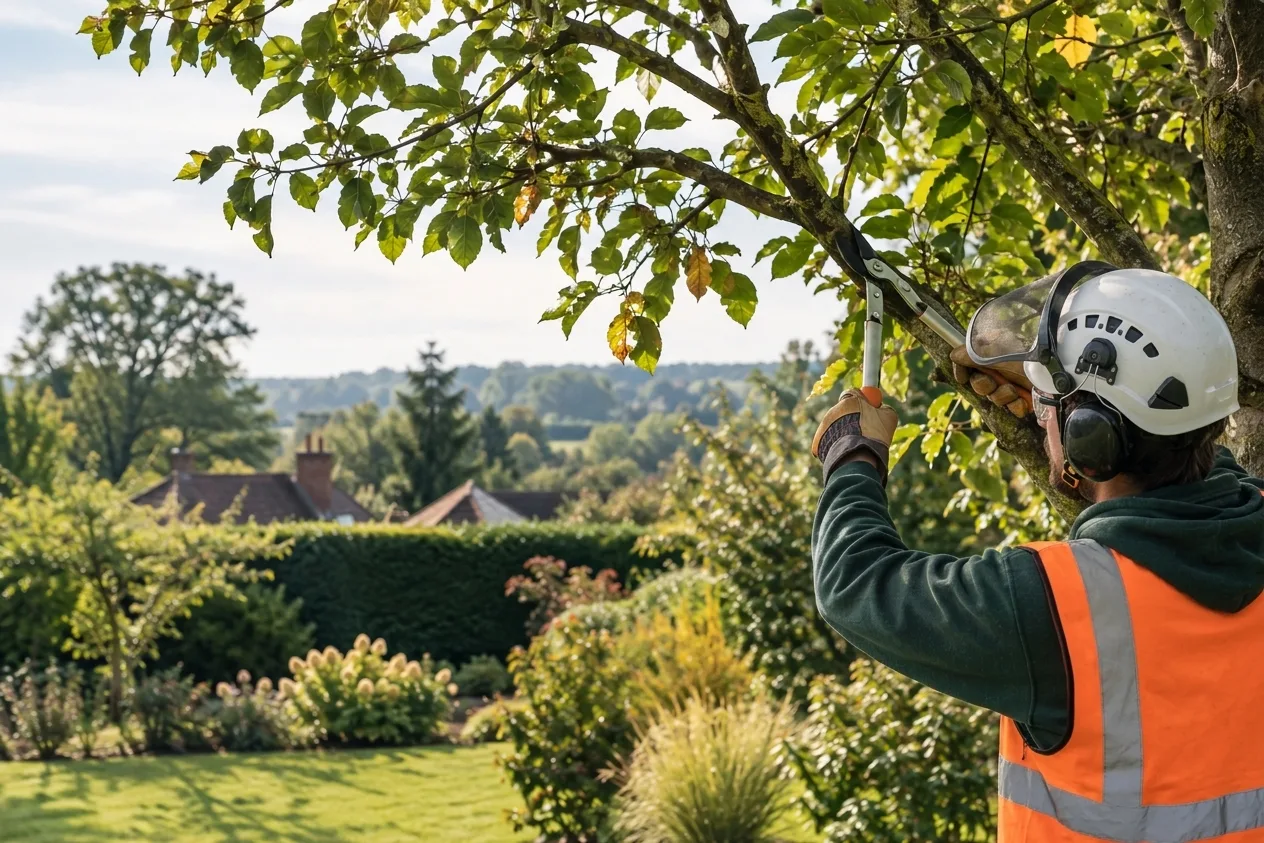
Tree pruning is an important part of maintaining healthy, safe and well-structured trees. But if you’re wondering when the best time to prune trees is, there isn’t one simple answer.
The right time depends on several factors, including the tree species, its condition, why it needs pruning, and how much growth needs to be removed. While some trees are better pruned during the growing season, others can benefit from pruning while dormant in winter.
For homeowners in Surrey, understanding the right timing can help protect the health and structure of your trees while ensuring any work is carried out appropriately.
Is There a Best Season for Tree Pruning?
It’s common to hear that winter is the best time to prune trees. However, this isn’t a rule that applies to every tree.
Professional arboricultural guidance generally recommends pruning many trees after their new leaves have emerged and hardened, making late spring and summer suitable periods for a number of species. Other trees can be pruned during winter while they are dormant.
This is why tree pruning should be based on the individual tree rather than simply choosing a particular month or season.
Tree Pruning Through the Seasons
Spring Tree Pruning
Spring can be suitable for certain types of tree work, depending on the species and the reason for pruning.
However, early spring isn't ideal for every tree. Birch, walnut and some maples can bleed sap when pruned around this time, while trees such as cherry and plum have their own preferred pruning periods.
Because trees are also entering a period of active growth, the exact timing of spring pruning is important.
Summer Tree Pruning
Summer is an important pruning period for several tree species.
For example, professional guidance recommends summer pruning for cherry and other Prunus species, as well as trees such as birch, walnut and some maples.
Summer can also make it easier to assess a tree while it is fully in leaf. This gives an arborist a clearer view of the canopy, its density and the areas that may need attention.
Autumn Tree Pruning
Autumn isn't automatically the best time to prune just because leaves are beginning to fall.
Conditions during autumn can increase the risk associated with fungal infection of pruning wounds, so the timing should be considered carefully.
Rather than treating autumn as a universal pruning season, it's better to assess the species, condition of the tree and type of work required before deciding when pruning should take place.
Winter Tree Pruning
Winter can be a suitable time to prune certain trees, particularly when they are dormant.
For example, apple and mulberry trees can be suitable for mid-winter pruning. Deciduous trees also have the advantage of having fewer leaves during winter, making their branch structure easier to see.
However, severe frost and other unsuitable weather conditions should be avoided.
When Should Different Trees Be Pruned?
Different species respond differently to pruning, which is why there isn't a universal answer to when trees should be pruned.
Here are some common examples:
Oak Trees
For oak trees, late spring through summer is generally considered an appropriate pruning period.
Cherry and Plum Trees
Cherry, plum and other Prunus species are generally better suited to summer pruning. Correct timing is particularly important when working with these trees.
Birch Trees
Birch trees can be prone to sap bleeding. Summer or mid-winter are listed as suitable pruning periods in professional guidance.
Walnut Trees
Walnut is another species where timing matters because of sap bleeding. Summer or mid-winter are suitable periods according to professional guidance.
Apple Trees
For established apple trees, mid-winter is commonly used for structural and fruit-production pruning. The exact approach will depend on the individual tree and the result you're looking to achieve.
These examples highlight why a tree should be assessed before pruning rather than relying on a simple calendar.
Does the Type of Pruning Affect the Best Time?
Yes. The reason for pruning is just as important as the species of tree.
Tree pruning may be carried out to:
Remove dead or damaged branches
Improve the structure of a tree
Reduce excessive growth
Reduce the overall canopy size
Improve clearance from buildings, paths or roads
Reduce excessive shading
Manage branches growing over neighboring properties
Maintain an appropriate shape
The amount of growth being removed also matters.
In general, trees should be pruned as little as necessary unless there is a specific structural reason for more extensive work. Removing too much foliage can reduce the tree's ability to photosynthesize and place unnecessary stress on it.
Crown Reduction vs Crown Thinning
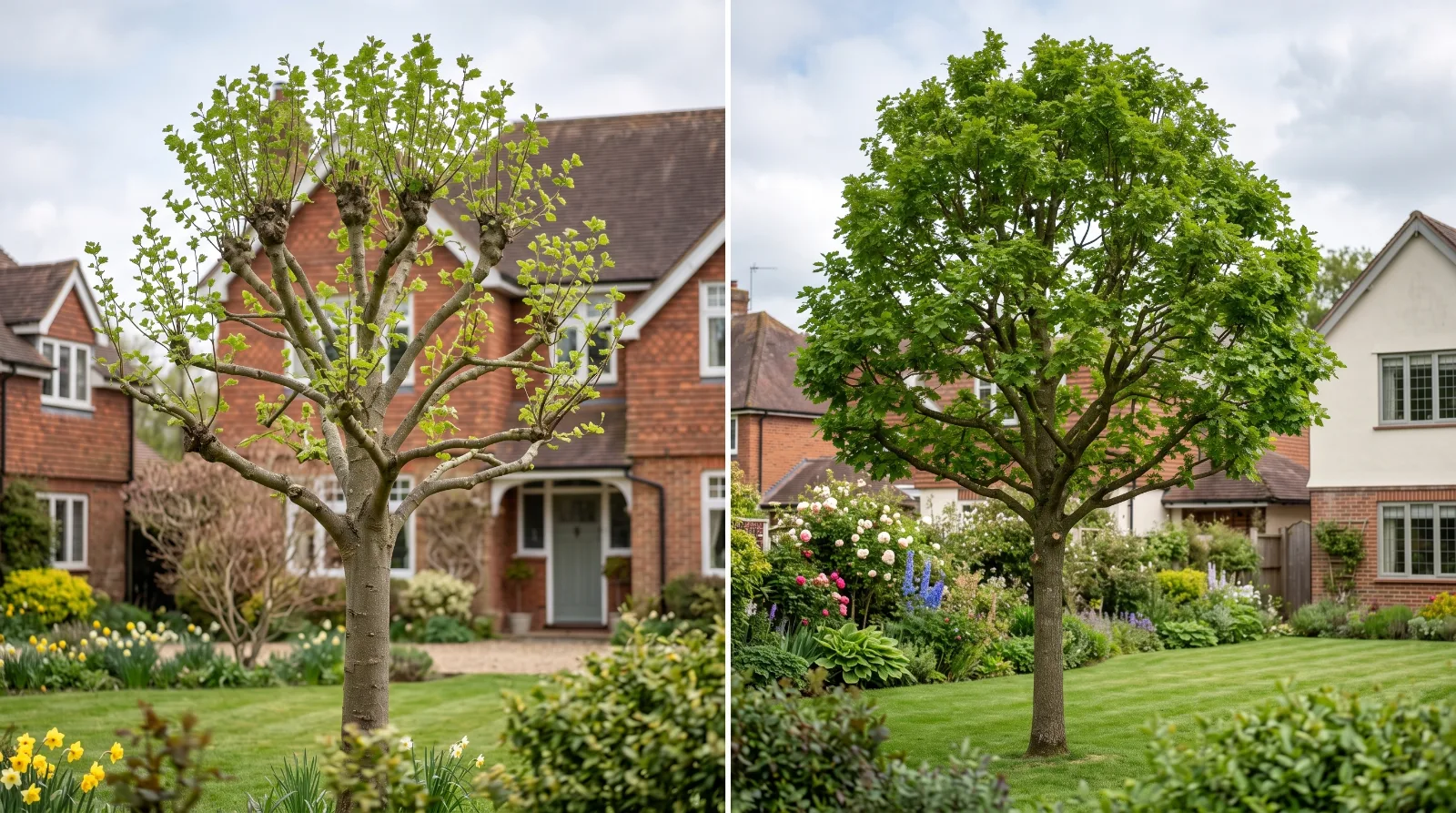
Two common forms of professional tree pruning are crown reduction and crown thinning. Although they may sound similar, they serve different purposes.
What Is Crown Reduction?
Crown reduction involves reducing the overall size and spread of a tree's canopy.
It can be appropriate when a tree has become too large for its surroundings or when reducing its dimensions is necessary for the site.
What Is Crown Thinning?
Crown thinning involves selectively removing a proportion of smaller branches to reduce the density of the canopy while retaining the tree's overall shape and structure.
The right approach depends on the individual tree. Removing too much growth can create unnecessary stress and may also encourage excessive regrowth.
When Should Deadwood Be Removed?
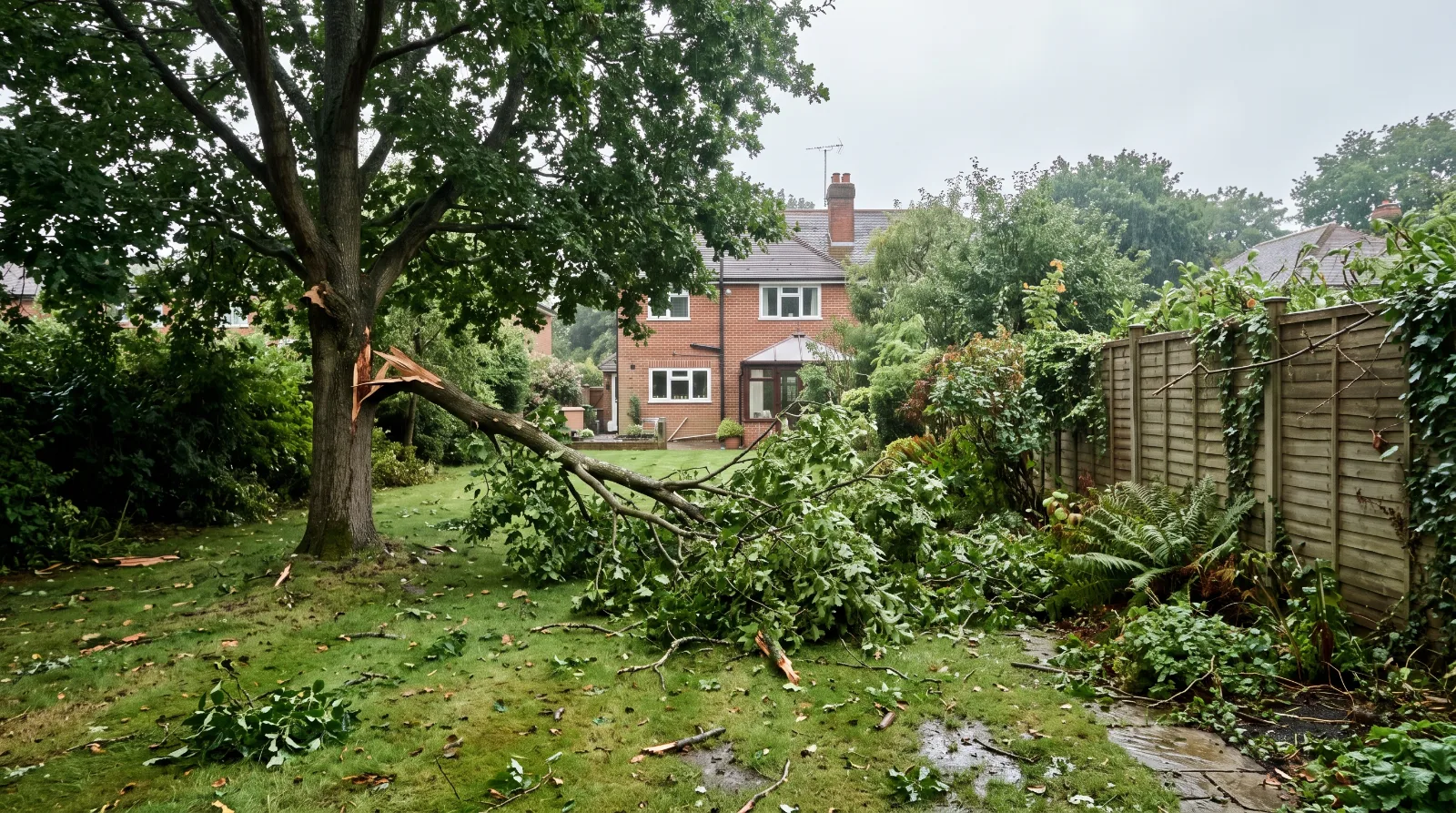
Dead, damaged or defective branches may need to be removed regardless of the usual pruning season, particularly where there is a genuine safety concern.
However, safety concerns don't remove the need to consider wildlife and legal protection.
If you have a potentially dangerous branch or tree on your Surrey property, it's important to have it assessed rather than attempting to remove large or difficult-to-reach branches yourself.
What About Nesting Birds?
Wild birds and their active nests are legally protected in the UK.
It is an offence to intentionally damage or destroy a wild bird's nest while it is in use or being built, and certain bird species have additional protection.
Spring and summer are commonly associated with the main breeding period, but there isn't a simple rule that makes all tree work illegal during these months. What matters is whether protected wildlife could be affected by the proposed work.
Before pruning or removing branches, trees should therefore be checked for active nests and other signs of protected wildlife.
Do You Need Permission to Prune a Tree in Surrey?
Some trees in Surrey are legally protected.
A Tree Preservation Order (TPO) can protect individual trees, groups of trees or woodlands. Without the appropriate written consent, certain work on a protected tree can be an offence.
Trees located within conservation areas can also be subject to additional controls. In many cases, work to an unprotected tree in a conservation area requires a Section 211 notice to the local planning authority before work begins.
Before arranging significant tree work, it's sensible to check whether the tree is covered by a TPO or located within a conservation area.
How Often Should Trees Be Pruned?
There is no universal pruning schedule that applies to every tree.
Some trees may only require occasional maintenance, while others may need more regular attention because of their location, growth pattern or particular management requirements.
The important thing is not to prune a tree simply because a certain amount of time has passed. Tree work should have a clear purpose and be appropriate for the condition of the tree.
Regular inspections can help identify deadwood, structural problems or excessive growth before they become more serious.
Can You Prune a Tree Yourself?
Small, straightforward pruning from ground level may sometimes be manageable for a homeowner.
However, larger branches and work at height can present significant risks. Branches that cannot be safely reached from the ground should be dealt with by a suitably trained and insured professional.
Professional tree surgery is particularly important where work involves:
Large or heavy branches
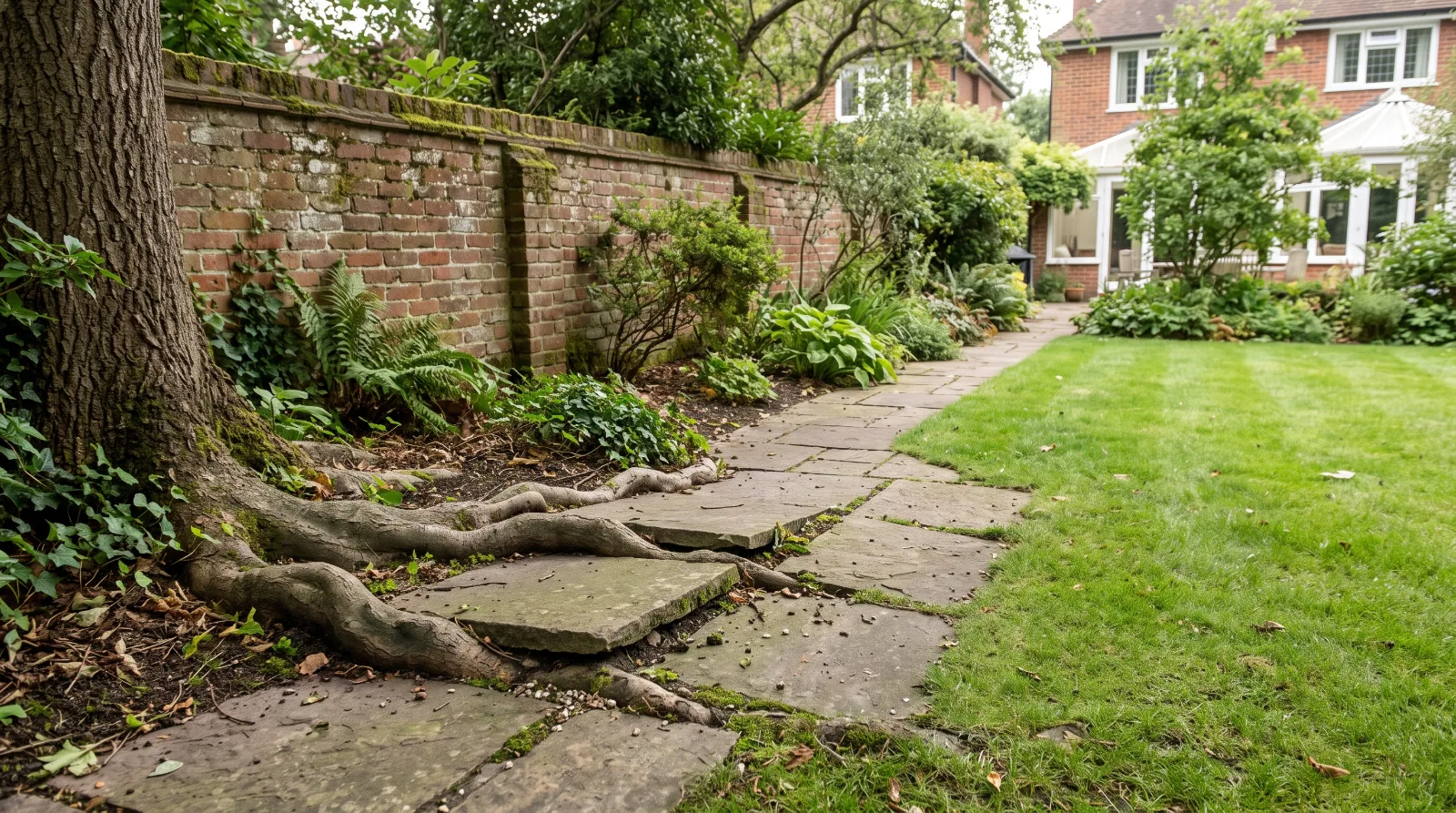
Trees close to buildings
Trees near roads or footpaths
Overhanging branches
Working at height
Restricted access
Potentially hazardous defects
Trying to tackle larger tree work yourself can put you, your property and the tree at unnecessary risk.
So, When Is the Best Time to Prune Trees in Surrey?
The answer depends on the tree and the work it needs.
Before deciding when to prune a tree, consider:
What species is it?
Different species have different recommended pruning periods.
What work is required?
Deadwood removal, crown reduction, crown thinning and structural pruning can have different considerations.
How much growth needs to be removed?
More extensive pruning can place additional stress on a tree.
Are there wildlife concerns?
Active nests and protected species need to be considered before work begins.
Is the tree protected?
A TPO or conservation-area status may affect what work can legally be carried out.
Professional Tree Care in Surrey
There isn't one pruning season that works for every tree.
The most appropriate timing depends on a combination of species, tree condition, pruning objectives, weather and site conditions. Good tree care is about carrying out the right work at the right time and removing no more growth than necessary.
If you're unsure whether your trees need pruning, crown reduction, crown thinning or deadwood removal, getting professional advice can help you decide what work is actually required.
At Surrey Oak Landscapes, we provide professional tree care services across Surrey, including tree pruning and shaping, crown reduction and thinning, deadwood and branch removal, tree felling and dismantling, stump work and clearance, and ongoing tree maintenance.
Need advice on your trees?
Get in touch with Surrey Oak Landscapes to discuss your project and arrange a free, no-obligation quote.
About the author