Best Plants for a North-Facing Garden in the UK
Looking for the best plants for a north-facing garden? Explore shade-tolerant flowers, shrubs, ferns and ground cover that can bring colour, texture and year-round interest to UK gardens. Copy excerpt
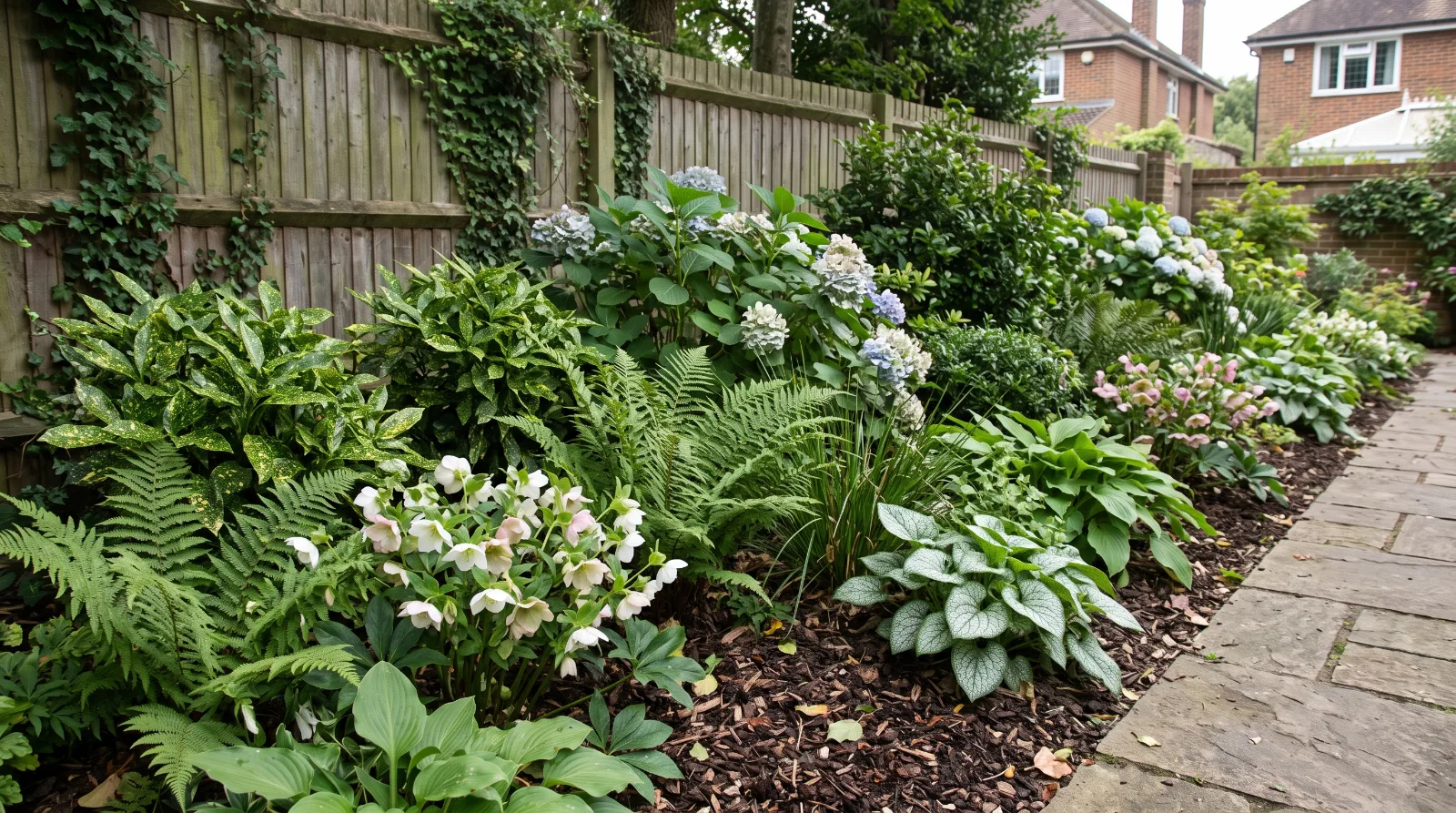
A north-facing garden can be a challenge when choosing plants, particularly if large areas receive little direct sunlight. However, shade does not mean a garden has to lack colour, flowers or variety. Many plants grow well in cooler conditions, producing attractive foliage, seasonal blooms and year-round structure.
The key is choosing plants that suit the amount of light, soil conditions and moisture levels in your garden. Whether you have a shaded border, a north-facing fence or a patio that receives very little sunshine, the right planting scheme can make the space feel established, balanced and full of life.
Here are some of the best plants for a north-facing garden in the UK, along with advice on how to combine them successfully.
What grows well in a north-facing garden?
North-facing gardens generally receive less direct sunlight than south-facing spaces, particularly near the house and along boundary fences. This makes them suitable for many woodland plants, shade-tolerant perennials and shrubs that prefer cooler conditions.
Before choosing plants, consider whether your garden has deep shade throughout the day or receives some indirect or filtered light. Soil conditions also matter. Shaded ground beneath established trees can be surprisingly dry because tree roots compete for water, while other shaded borders may remain damp for long periods.
The best results come from matching plants to the conditions rather than treating every shaded area in the same way.
1. Best flowering plants for north-facing gardens
A shaded garden can still have plenty of seasonal colour. Choose plants with different flowering periods so that interest continues throughout the year.
Hellebores
Hellebores are excellent for bringing colour to a garden in late winter and early spring, when many other plants are dormant. Their flowers appear in shades of white, cream, pink, purple and deep burgundy, while their attractive foliage provides additional interest.
They grow well in partial or dappled shade and suit sheltered borders beneath deciduous trees or alongside paths. Choose a reasonably well-drained position, as persistently waterlogged soil can cause problems.
Astilbes
Astilbes produce feathery flower plumes in shades of pink, white and red during summer. Their finely divided foliage also adds texture to planting schemes.
They are particularly useful in shaded borders where the soil remains consistently moist. They may struggle in dry ground, so prepare the soil well and water during prolonged dry spells.
Foxgloves
Foxgloves bring height and a traditional cottage-garden feel to shaded borders. Their tall flower spikes attract pollinators and work well behind lower-growing plants.
They typically flower in late spring and summer, depending on the variety and growing conditions. Many are biennial or short-lived perennials that self-seed, helping them establish naturally over time.
Important: Foxgloves are poisonous if eaten, so take care where children or pets may come into contact with them.
2. Best shrubs for north-facing gardens
Shrubs provide height, structure and a permanent framework for a garden. Including a mixture of evergreen and deciduous varieties helps the space remain attractive beyond the main flowering season.
Plant | Main benefit | Best conditions |
|---|---|---|
Sarcococca (sweet box) | Evergreen foliage and fragrant winter flowers | Partial to deep shade |
Hydrangea macrophylla | Large summer flower heads | Partial shade and moisture-retentive soil |
Aucuba japonica | Evergreen leaves, often with golden markings | Partial to deep shade |
Skimmia japonica | Evergreen foliage and seasonal flowers or berries | Partial shade and suitable, well-drained soil |
Sarcococca
Sarcococca is a particularly useful shrub for shaded areas where colour and fragrance are needed during winter. Its small, white flowers are often highly scented, despite being easy to overlook.
It works well along shaded boundaries, near entrances or beside garden paths where its fragrance can be appreciated.
Hydrangeas
Hydrangeas are popular for their large flower heads and long summer display. They generally perform well in partial shade, especially where the soil retains moisture.
They are a good choice for borders that receive some daylight but are protected from strong afternoon sun. Flower colour and performance vary with the species, variety and soil conditions, so choose one suited to your site.
Aucuba japonica
Aucuba is an evergreen shrub that can brighten a darker corner with its glossy foliage. Varieties with yellow-speckled leaves are particularly effective where a planting scheme needs contrast.
It is useful for year-round structure and can tolerate fairly deep shade once established.
3. Best foliage plants for shaded gardens
Flowers are only part of a successful planting scheme. In a north-facing garden, leaf shape, texture and colour can be just as important.
Ferns
Ferns create a lush, woodland appearance and are ideal for filling spaces between shrubs and flowering plants. Their varied fronds provide texture without relying on flowers for visual interest.
Many ferns prefer cool, shaded positions with moisture-retentive soil. However, individual varieties differ, and some tolerate drier conditions better than others.
Hostas
Hostas are grown mainly for their broad, decorative leaves, which range from deep green to blue-grey and bright yellow-green. They are particularly effective at the front of borders or beneath taller shrubs.
They generally prefer partial shade and moist, fertile soil. Slugs and snails can damage their leaves, so consider this when choosing them for your garden.
Brunnera
Brunnera is a useful perennial for adding lighter foliage to shaded borders. Some varieties have silver-patterned leaves that contrast well with darker evergreens and ferns.
Its small blue spring flowers provide an additional seasonal feature, making it a good option for planting beneath deciduous shrubs or alongside shaded paths.
4. Best ground cover plants for north-facing gardens
Bare soil can make shaded borders look unfinished and leave space for weeds to establish. Ground cover plants help fill these gaps while creating a more connected planting scheme.
Consider these options:
Epimedium: Useful for dry shade beneath trees and shrubs, with attractive foliage and delicate spring flowers.
Vinca minor: An evergreen ground cover that produces small flowers and spreads across suitable areas.
Hardy geraniums: Many varieties tolerate partial shade and provide flowers over an extended period.
Lily of the valley: Suitable for shaded, moisture-retentive areas, producing fragrant spring flowers. It spreads over time and is poisonous if eaten.
Check the eventual spread of each plant before planting. Vigorous ground cover can become difficult to manage if it is allowed to grow beyond its intended area.
5. How to create a balanced planting scheme
The most attractive north-facing gardens combine plants of different heights, textures and flowering periods rather than relying on one type of plant.
For a simple planting scheme, use three layers:
Background: Evergreen shrubs such as sarcococca or aucuba provide structure and help define the border.
Middle layer: Hydrangeas, hellebores and other flowering perennials add seasonal colour and variety.
Front of the border: Ferns, brunnera and suitable ground cover plants soften edges and fill gaps.
Pale flowers and silver or golden foliage can help a darker area feel brighter. Repeating a few plant varieties throughout the garden also creates a more cohesive appearance.
If you are planting beside a fence or wall, consider the mature size of each plant and leave enough room for growth, access and maintenance.
6. Preparing the soil and caring for shade-loving plants
Even plants suited to shade need the right growing conditions. Before planting, remove persistent weeds and assess whether the soil is compacted, dry or poorly drained.
Adding suitable organic matter can improve soil structure and help support healthy root growth. However, avoid assuming that every shaded border needs more moisture. Ground beneath mature trees may be dry, while heavy soil in a sheltered corner may remain wet.
Once planted, water new plants regularly while they establish, adjusting the frequency to rainfall and soil conditions. Apply mulch where appropriate to help retain moisture and suppress weeds, keeping it away from direct contact with plant stems.
Check plants periodically for overcrowding, damaged foliage and signs of poor drainage. Choosing suitable plants at the outset generally reduces the need for ongoing intervention.
Create a north-facing garden that works for you
A north-facing garden offers plenty of planting opportunities when the right species are chosen. From winter-flowering hellebores and fragrant evergreen shrubs to decorative ferns and ground cover, there are options for adding interest throughout the year.
The best planting scheme will depend on the garden's light levels, soil, drainage and overall layout. Combining these factors with thoughtful positioning can turn a difficult border into an attractive and practical part of your outdoor space.
At Surrey Oak Landscapes, we help homeowners create gardens that suit their property and surroundings, from planting schemes and specimen tree installation to complete garden transformations.
Planning a garden makeover? Get in touch with Surrey Oak Landscapes for a free, no-obligation quote.
About the author