When Should You Replace Your Lawn?
Is your lawn patchy, mossy or uneven? Find out when renovation may be enough and when replacing your lawn with new turf could be the better option.
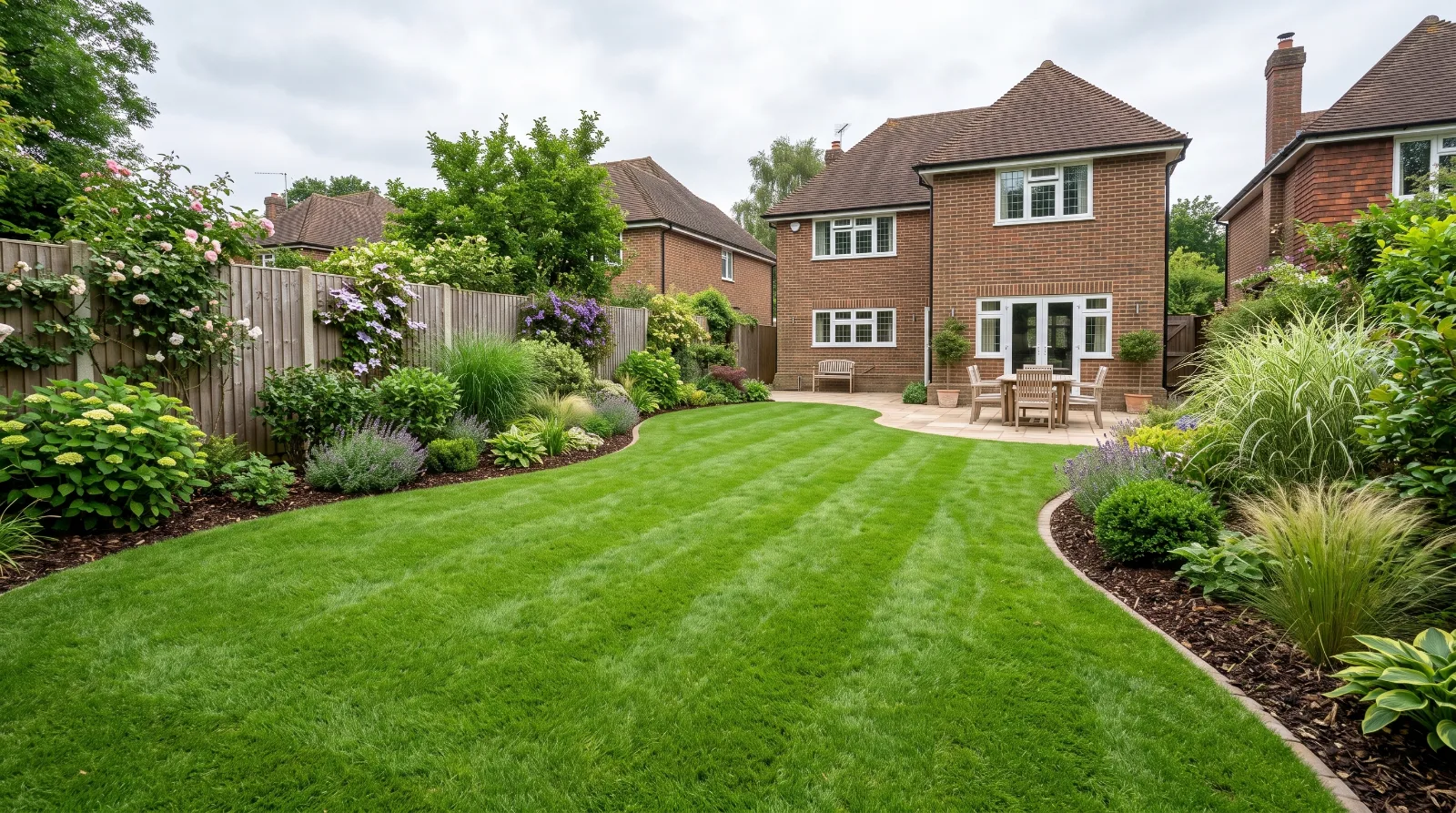
A lawn can change considerably over time.
What was once a thick, healthy area of grass can gradually become patchy, mossy, uneven or difficult to maintain. Heavy use, poor drainage, compacted soil, shade, drought and years of general wear can all take their toll.
When a lawn starts looking tired, completely replacing it may seem like the obvious solution. But that is not always necessary.
Some lawns can be brought back into good condition through renovation and targeted repairs. Others have deteriorated to the point where starting again with fresh turf is the more practical option.
So, how do you know when it is time to replace your lawn?
Does Your Lawn Actually Need Replacing?
The first thing to establish is why the lawn is struggling.
A poor-looking lawn does not automatically mean the grass itself is the problem.
Issues such as compacted soil, poor drainage, excessive shade or incorrect mowing can cause a lawn to deteriorate even when the underlying grass could recover.
Before replacing it, consider whether the problem is:
Localised or widespread
Temporary or recurring
Mainly on the surface or within the soil
Caused by use, drainage or growing conditions
Something that can realistically be corrected
If the lawn is suffering from an underlying problem, simply laying new turf over the same conditions may only produce a temporary improvement.
Signs It May Be Time to Replace Your Lawn
There is no single percentage of damage that means a lawn must be replaced.
Instead, look at the overall condition and whether it can realistically be restored.
Large Areas of Bare Grass
A few bare patches are usually not enough on their own to justify replacing a lawn.
However, when bare areas become widespread and grass is struggling to re-establish, patching can become increasingly ineffective.
If you are spending more time repairing bare areas than enjoying the lawn, starting again may make more sense.
Heavy Weed Growth
Some weeds naturally appear in lawns and can be managed through regular maintenance.
A lawn dominated by weeds, however, can indicate that the grass is no longer competing effectively.
Where the majority of the area has become thin and weedy, replacing the lawn may provide a better starting point than repeatedly treating individual areas.
Persistent Moss
Moss is often associated with conditions such as shade, dampness, poor drainage and compacted soil.
Removing the moss without addressing those conditions may only provide a temporary improvement.
If the lawn has become heavily moss-covered and the growing conditions remain unsuitable for healthy grass, it may be worth addressing the soil and site first and then considering whether the lawn should be renovated or replaced.
The Ground Is Uneven
Small bumps and hollows can often be corrected without removing the entire lawn.
Larger or widespread unevenness is different.
If mowing is difficult, water collects in depressions or the lawn has become generally lumpy over time, replacing it can provide an opportunity to properly level and prepare the ground.
A new lawn is only as good as the surface beneath it.
When Should You Renovate Instead?
Replacing a lawn is not always the best answer.
A healthy lawn with a few problems may respond well to renovation.
Renovation can include:
Scarifying
Aeration
Top dressing
Reseeding
Levelling minor imperfections
Improving drainage
Correcting mowing practices
Addressing moss and weed problems
This approach can be particularly worthwhile when most of the existing grass is still healthy.
A simple way to think about it
Healthy grass + isolated problems = renovate
Widespread deterioration + poor ground conditions = consider replacement
The exact decision depends on the condition of the lawn and the reason it has deteriorated.
Can a Completely Worn Lawn Be Saved?
Sometimes.
Even a tired-looking lawn may have enough healthy grass beneath the surface to recover.
A professional assessment can help determine how much viable grass remains and whether the underlying soil can support it.
However, if large areas are bare, heavily compacted or dominated by weeds and moss, the work required to restore the existing lawn can become substantial.
At that point, removing the old lawn and preparing the ground properly for new turf may be the more efficient approach.
What Causes Lawns to Deteriorate?
Understanding the cause is important before replacing anything.
Compacted Soil
Regular foot traffic, children, pets and machinery can compress the soil and reduce the space available for roots, air and water.
Compaction can make it difficult for grass to establish properly and may contribute to poor drainage.
Poor Drainage
A lawn that remains wet for long periods can struggle to maintain healthy grass.
Persistent waterlogging can also encourage moss and create muddy areas.
Heavy Wear
Some lawns simply receive more use than they can comfortably handle.
Paths across the lawn, frequent games, pets and regular foot traffic can gradually thin the grass.
If the same pattern of wear will continue after replacement, the new lawn needs to be designed with that use in mind.
Shade
Grass generally requires sufficient light to grow well.
Areas beneath trees, beside tall fences and close to buildings may receive considerably less sunlight than the rest of the garden.
Replacing the lawn without addressing the shade may not solve the problem.
Drought and Heat
Extended dry conditions can cause grass to become brown and stressed.
A lawn that appears dead after a hot, dry spell may recover when conditions improve, so drought damage should not automatically be treated as a reason for replacement.
New turf is also more vulnerable while its roots are developing, making appropriate aftercare particularly important.
Why Does Soil Condition Matter So Much?
It is easy to focus on the grass because it is the part you can see.
However, successful turf establishment depends heavily on the soil beneath it.
Before laying new turf, the ground may need to be:
Cleared of old vegetation
Decompacted
Levelled
Improved where necessary
Firmed appropriately
Prepared to the correct final level
If the soil is heavily compacted, poorly drained or unsuitable for the intended lawn, simply placing fresh turf on top is unlikely to provide a lasting solution.
Should You Replace Your Lawn If It Is Patchy?
Not necessarily.
Patchiness can have several causes.
For example, it might be caused by:
Wear
Shade
Poor mowing
Pet activity
Drought
Compacted soil
Poor seed establishment
If the majority of the lawn is still healthy, reseeding and targeted repairs may be enough.
If patchiness is widespread and keeps returning despite correcting the underlying problem, replacing the lawn may be more practical.
What About a Lawn Full of Weeds?
A few weeds do not mean a lawn needs replacing.
Healthy, dense grass naturally competes with weeds, so increasing grass coverage can sometimes improve the situation.
However, when weeds have taken over much of the lawn and there is very little healthy grass remaining, renovation or complete replacement may be worth considering.
The important part is dealing with why the grass has become sparse.
Replacing the lawn without correcting poor soil, drainage or excessive shade could simply result in the same problem returning.
What About a Mossy Lawn?
Moss is often a sign that the lawn conditions favour moss more than grass.
Shade, moisture, poor drainage and compacted soil can all play a role.
If the underlying conditions can be improved, an established lawn may sometimes recover.
Where the lawn is already severely depleted, however, it may be more efficient to improve the soil and start again with fresh turf.
The decision should be based on the condition of both the grass and the growing environment.
Can You Replace Part of the Lawn?
Yes.
You do not necessarily need to replace the entire lawn.
If one section has been damaged by construction, heavy use, shade or another localised problem, replacing only that area can be a sensible option.
This can work particularly well where the rest of the lawn is healthy and the new turf can be matched reasonably closely.
However, if the same problem affects most of the garden, partial replacement can result in a patchwork appearance and may not solve the wider issue.
When Is New Turf a Better Option Than Grass Seed?
Fresh turf and grass seed both have their place.
Turf provides an almost immediate area of grass coverage and can produce a finished-looking lawn much sooner than starting from seed.
It can be particularly attractive when:
You want a finished lawn quickly
The existing lawn has deteriorated extensively
You are completing a wider landscaping project
The garden needs to become usable relatively soon
You want a more predictable initial appearance
Grass seed can be more economical and offers a wide choice of mixes, but it takes longer to establish and requires patience and suitable conditions.
The better option depends on the garden and what you want to achieve.
What Happens When You Replace an Existing Lawn?
A proper returfing project usually involves more than simply removing old grass and rolling out new turf.
1. Remove the Existing Lawn
The old turf and unwanted vegetation are removed so the ground can be properly assessed and prepared.
2. Prepare the Soil
Compacted areas are loosened and the ground is worked to create a suitable growing surface.
3. Correct the Levels
The soil is carefully levelled so the finished lawn is even and comfortable to use.
4. Prepare the Final Surface
The soil is firmed appropriately to create a stable surface while retaining suitable conditions for root growth.
5. Lay the New Turf
Fresh turf is fitted closely together with staggered joints to create a continuous surface.
6. Water and Establish
The new lawn needs appropriate watering and should be protected from heavy use while it roots into the soil.
The preparation stage is just as important as the turf itself.
How Long Does a New Lawn Take to Establish?
Fresh turf can begin rooting relatively quickly under suitable conditions, but that does not mean it is fully established immediately.
The exact timeframe depends on:
Weather
Soil condition
Time of year
Turf quality
Watering
Initial maintenance
How much the lawn is used
A new lawn may look finished on the day it is laid, but it still needs time to develop a strong connection with the soil beneath it.
This is why heavy use should be avoided during the early establishment period.
Should You Replace Your Lawn If It Is Uneven?
If the unevenness is minor, renovation may be enough.
Small bumps and shallow hollows can often be corrected without replacing the entire lawn.
More substantial unevenness is a different matter.
If there are large changes in level, repeated puddles or extensive areas that make mowing difficult, starting again can provide an opportunity to properly reshape and prepare the surface.
This can also be useful when the lawn is already in poor condition and needs replacing for other reasons.
What About Lawn Edges?
Sometimes the main problem is not the lawn itself.
Grass edges can become worn, damaged or irregular, particularly where people frequently walk across them or planting has spread into the lawn.
If the main lawn remains healthy, repairing the edges may be enough.
There is little benefit in replacing an otherwise healthy lawn simply because its edges need attention.
Should You Replace a Lawn Under Trees?
Not automatically.
Grass can struggle beneath established trees because of reduced light, competition for moisture and the natural accumulation of leaves and debris.
If the area is heavily shaded, replacing the lawn with identical turf may not produce a lasting result.
Depending on the site, an alternative planting approach, shade-tolerant grass or a different surface may be more appropriate.
The best solution is the one that works with the conditions rather than fighting them.
How Much Does It Cost to Replace a Lawn?
The cost depends on the size and condition of the area and how much preparation is required.
The main factors include:
Factor | Why it affects cost |
|---|---|
Lawn size | More turf and labour |
Existing lawn | Removal and disposal |
Soil condition | May require additional preparation |
Levelling | Uneven gardens need more work |
Access | Difficult access can increase labour |
Turf choice | Different turf products have different prices |
Waste removal | Old turf and soil may need disposal |
Edging | New or repaired lawn edges add work |
Irrigation | Additional watering systems may be required |
A garden that is already level with good access can be considerably simpler than one requiring extensive excavation and soil improvement.
Can You Lay New Turf Over an Existing Lawn?
Generally, simply placing new turf directly over an old lawn is not a good solution.
The new turf needs a suitable prepared surface so its roots can establish properly.
Leaving old grass, thatch, weeds or uneven ground underneath can create problems with rooting, levels and moisture.
Proper preparation may take more time, but it gives the new lawn a much better foundation.
What If Your Lawn Is Always Wet?
Persistent wetness is a reason to investigate the ground conditions before replacing the lawn.
Possible causes include:
Poor soil structure
Compaction
Heavy clay
Low-lying areas
Poor falls
Drainage problems
Water entering from surrounding areas
If the drainage issue remains unresolved, new turf may struggle just as much as the old lawn did.
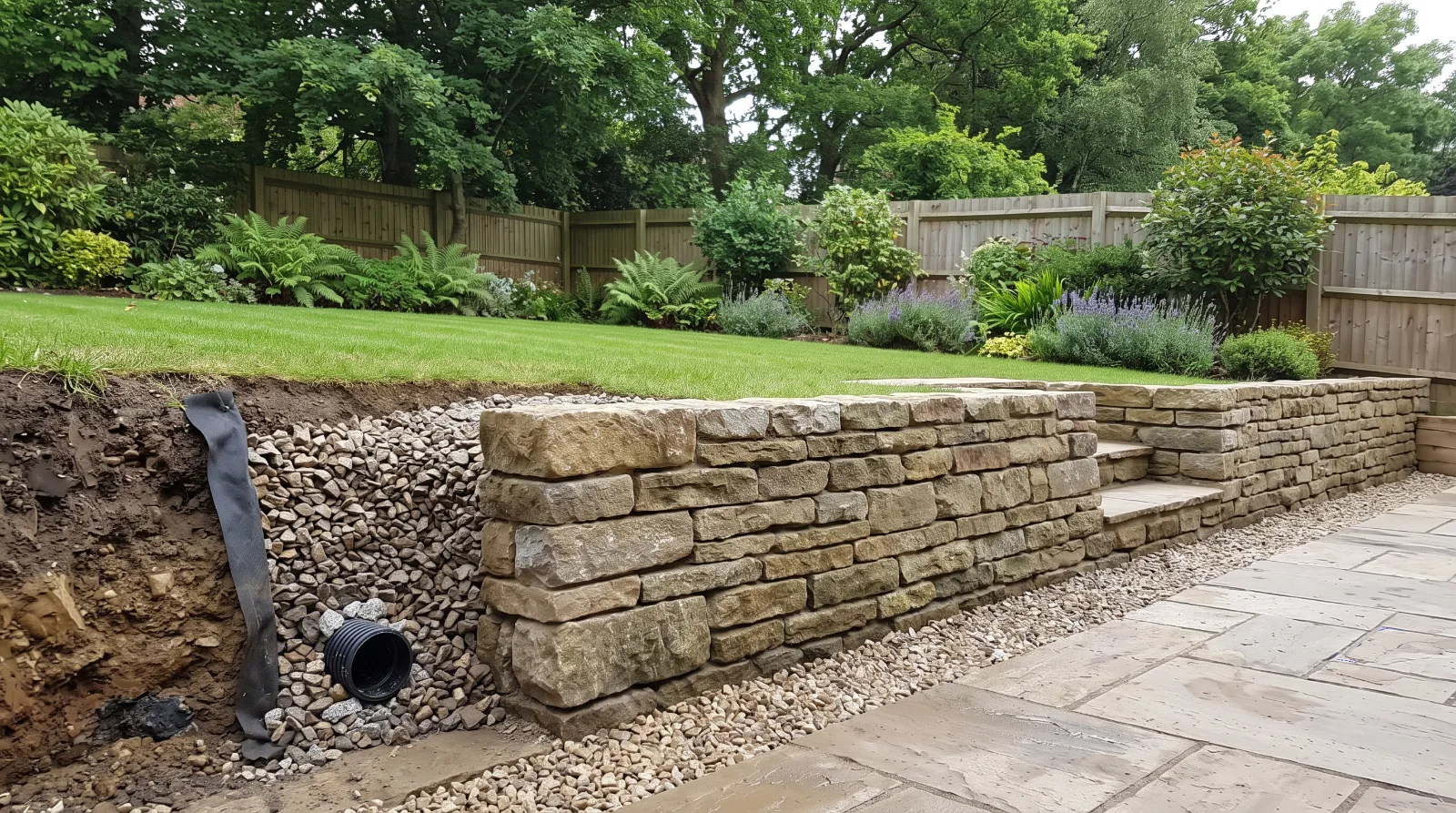
In some gardens, the right answer may involve improving drainage alongside replacing the lawn.
What If Your Lawn Looks Bad Every Summer?
A lawn that repeatedly suffers during hot, dry weather may be telling you something about the site.
Consider whether:
The soil dries out quickly
The lawn receives intense sun
Irrigation is inadequate
The grass is being cut too short
The soil has poor moisture retention
Replacing the lawn with a fresh surface can improve its appearance, but choosing suitable turf and preparing the soil properly are important if you want the improvement to last.
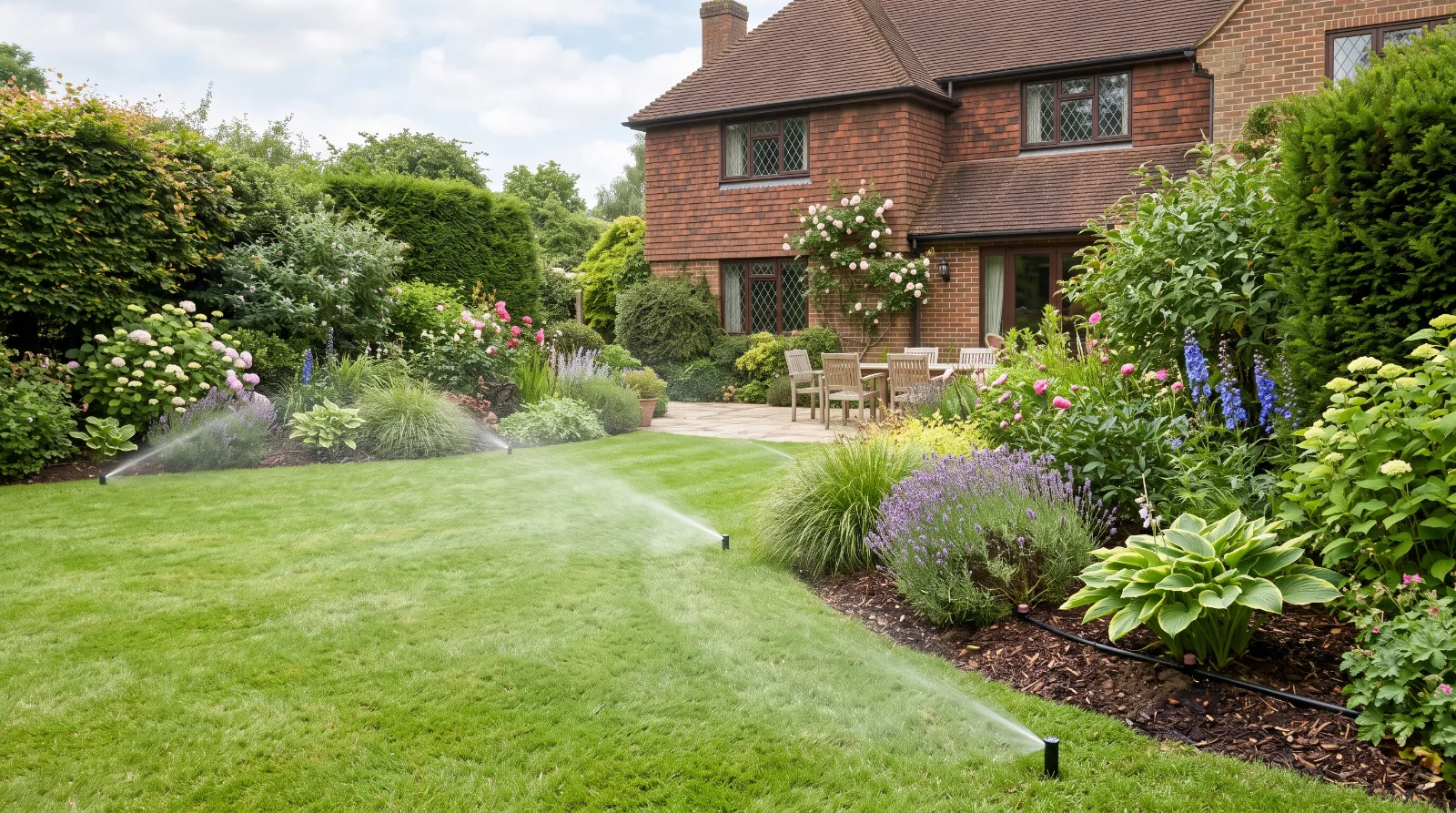
In some situations, irrigation or changes to the garden design may be worth considering alongside the new lawn.
How Do You Know When It Is Time to Start Again?
A useful way to judge the situation is to consider how much of the lawn is still functioning well.
If most of the grass remains healthy and the problems are isolated, renovation is often worth exploring.
If the lawn is broadly:
Bare
Weedy
Moss-covered
Uneven
Compacted
Poorly drained
Heavily worn
then replacement may be the more practical option.
The condition of the soil should also be considered.
A completely new lawn can transform the appearance of a garden, but only if the conditions underneath it have been improved where necessary.
Replacement vs Renovation
Renovate the existing lawn | Replace with new turf |
|---|---|
Most grass is still healthy | Grass is failing across much of the area |
Problems are relatively localised | Problems are widespread |
Soil can support recovery | Ground needs significant preparation |
You want to retain the existing lawn | You want a faster visual transformation |
Lower level of intervention preferred | Full reset is more practical |
There is no need to replace a lawn simply because it has a few imperfections.
Equally, there is little value in repeatedly patching a lawn that has reached the point where it needs a complete overhaul.
When Is the Best Time to Replace a Lawn?
The timing matters because fresh turf needs suitable conditions to establish.
For UK gardens, milder periods with adequate soil moisture are generally easier for new turf to establish than periods of extreme heat, drought, waterlogging or frost.
Early autumn is often particularly favourable because the soil can retain warmth while rainfall and cooler conditions reduce the stress placed on new turf.
Your existing Surrey Oak article, “When Is the Best Time to Lay New Turf in Surrey?”, can cover the timing question in more detail, while this article focuses on whether replacement is necessary in the first place.
What Should You Do Before Replacing Your Lawn?
Before booking a new lawn, consider:
What caused the existing lawn to fail?
Does the soil need improving?
Is drainage a problem?
Will the same amount of traffic continue?
Is the garden too shaded for the type of grass you want?
Do you need better irrigation?
Are the levels correct?
Do you actually need a lawn across the entire area?
Answering these questions first can prevent you from investing in new turf only to encounter the same problems again.
Should You Replace the Lawn as Part of a Larger Landscaping Project?
Sometimes the best time to replace a lawn is when other garden work is already taking place.
If you are installing a new patio, changing fencing, creating planting borders or redesigning the garden, the ground may already need to be disturbed.
Replacing the lawn as part of the wider project can make it easier to create consistent levels and connect the different areas of the garden.
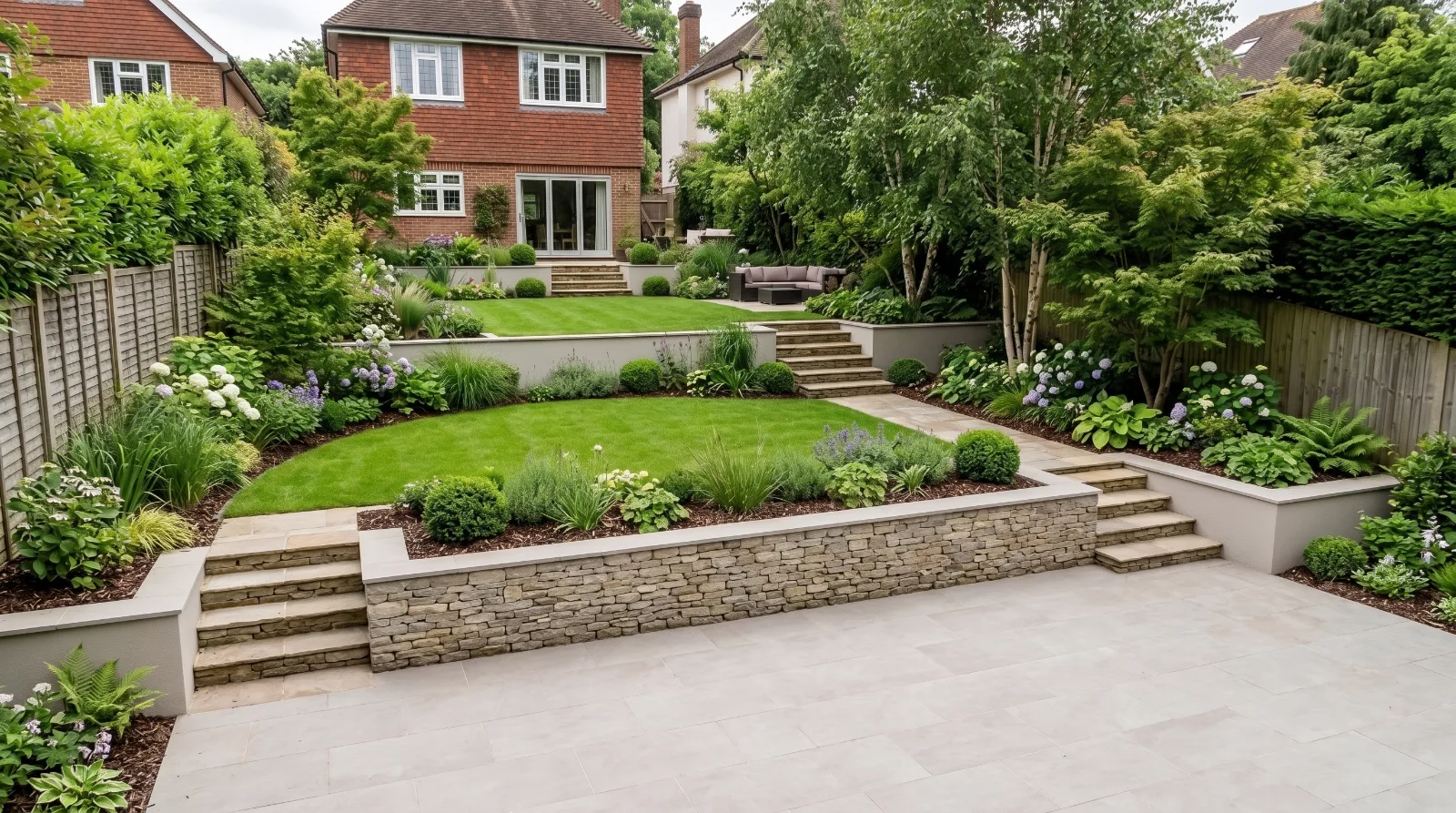
For a complete garden transformation, this can be particularly useful because the lawn can be designed around the finished position of patios, paths, planting and other features.
When Should You Replace Your Lawn?
There is no fixed age at which a lawn should automatically be replaced.
A well-maintained lawn can remain productive for many years, while another can deteriorate much sooner because of heavy use, poor drainage, shade, compacted soil or unsuitable growing conditions.
The better question is:
Can the existing lawn realistically be restored?
If the answer is yes, renovation may be the most sensible option.
If the lawn has deteriorated extensively and the ground also needs significant preparation, replacing it with fresh turf can provide a much better starting point.
The important part is not simply replacing the grass. It is fixing the conditions that caused the problem in the first place.
Give Your Garden a Fresh Start
A new lawn can make an enormous difference to a garden.
Fresh turf creates an immediate visual improvement, provides a clean base for planting and can completely change how the garden is used.
But the best results come from treating the lawn as part of the wider landscape.
Prepare the ground properly, consider drainage and shade, choose suitable turf and give the new lawn time to establish.
That way, you are not simply replacing an old lawn.
You are creating a better foundation for the garden as a whole.
Need New Turf in Surrey?
If your existing lawn has become patchy, uneven, heavily worn or difficult to maintain, Surrey Oak Landscapes can help determine whether it needs renovation or a complete replacement.
From ground preparation and levelling to fresh turf installation and wider garden landscaping, we can create a lawn that works with the rest of your outdoor space.
Thinking about replacing your lawn in Surrey? Get in touch with Surrey Oak Landscapes for a free, no-obligation quote.
About the author