How to Restore an Overgrown Garden: A Step-by-Step Guide
Has your garden become overgrown? Discover how to assess the space, clear unwanted growth, restore lawns and borders, recover paths and create an easier-to-maintain garden.
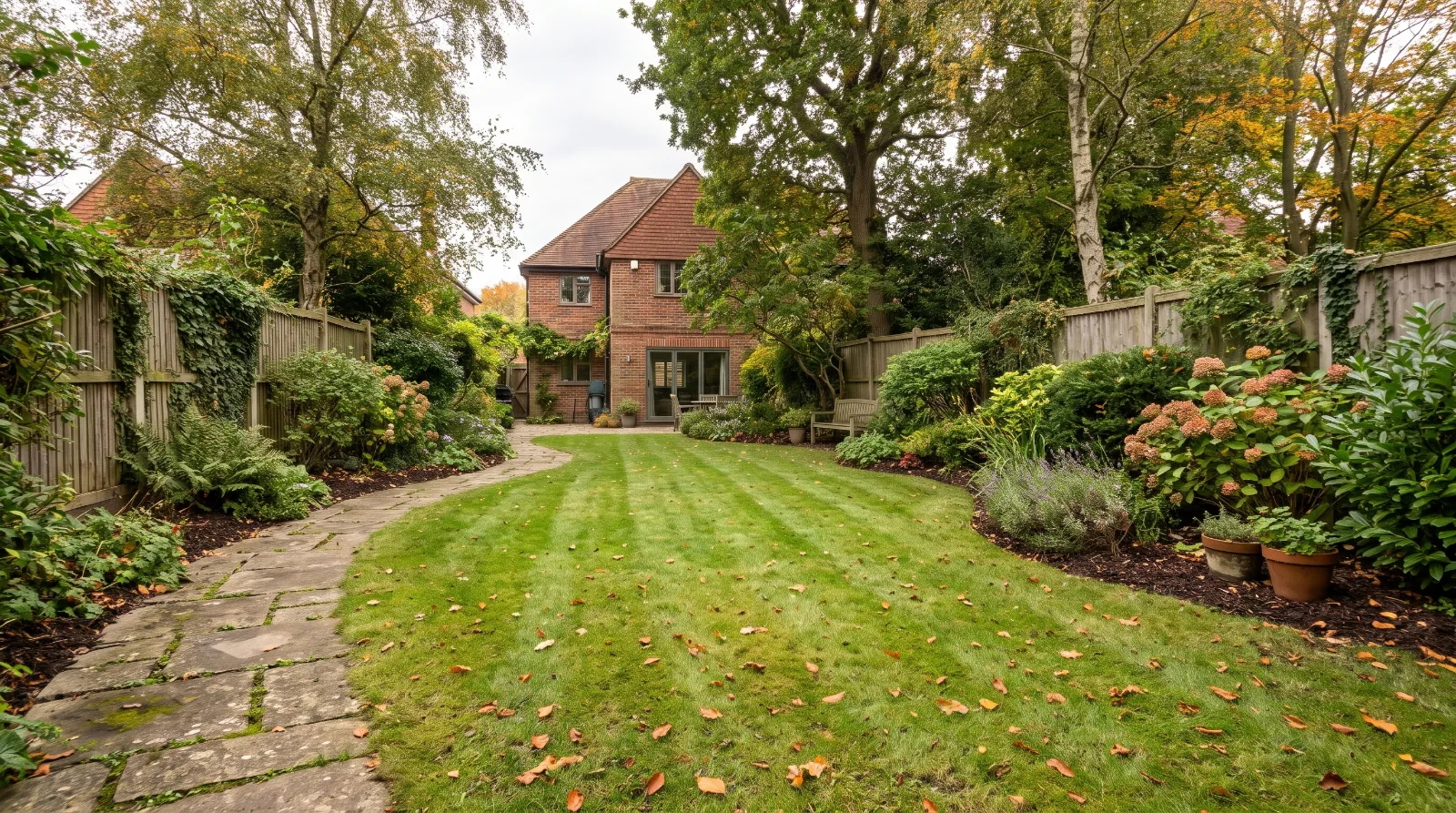
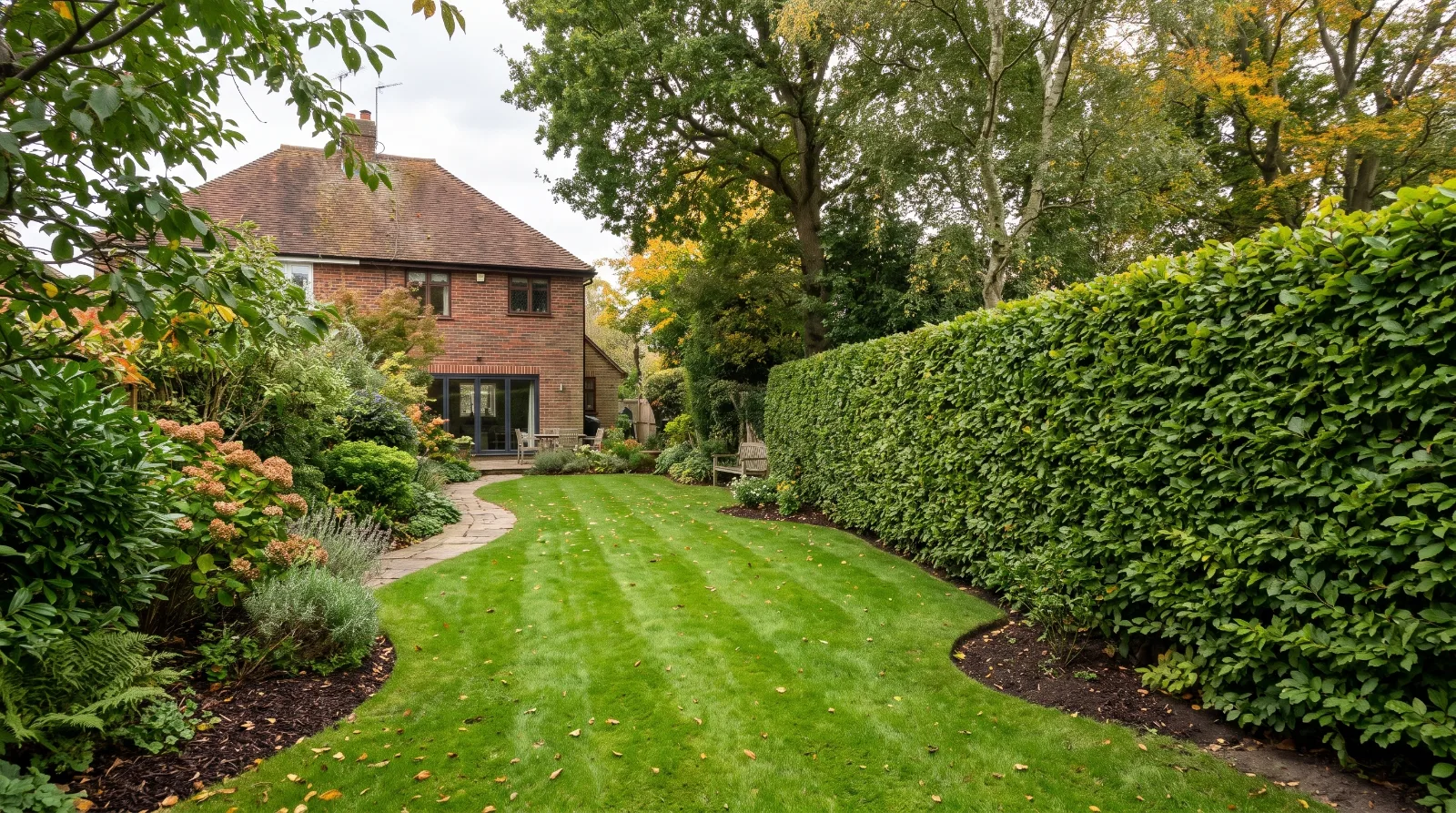
An overgrown garden can be difficult to know where to begin with. Weeds may have spread through the borders, hedges may be blocking light, the lawn may have disappeared beneath long grass and paths may be difficult to access. What once felt like a manageable outdoor space can gradually become a project that seems too large to tackle.
The good news is that an overgrown garden does not always need a complete redesign. In many cases, clearing unwanted growth, recovering existing features and giving plants the attention they need can make a significant difference. Some gardens may benefit from new planting or paving, while others simply need a thorough tidy-up and a more manageable maintenance routine.
For homeowners in Surrey, the best approach is to assess the garden before starting work. By prioritising the most important tasks and deciding what is worth keeping, you can restore the space without creating unnecessary work or expense.
1. Assess the Garden Before Clearing Anything
The first step is to understand what you are working with. An overgrown garden can contain healthy mature shrubs, established trees, useful pathways and attractive features hidden beneath weeds and vegetation.
Before removing anything, walk around the entire garden and identify the areas that need attention.
Look for:
Overgrown hedges, shrubs and climbing plants.
Weeds spreading through lawns and planting beds.
Paths, patios or steps that have become difficult to access.
Damaged fencing, loose paving or deteriorating garden structures.
Areas where water collects after rainfall.
Trees or large branches that appear damaged or unstable.
Decide which features you want to retain and which areas need more substantial changes. An established tree or shrub may provide useful screening and character, while an old path may only need clearing and minor repairs to become usable again.
It is also worth considering how you want to use the garden once the work is complete. You may want a neat lawn, low-maintenance planting borders, a practical patio or more space for entertaining.
Having a clear goal will help you prioritise the work instead of clearing everything and deciding what to do with the bare space afterwards.
2. Clear Rubbish, Debris and Unwanted Growth
Once you have assessed the garden, begin by removing loose rubbish and debris that prevent you from working safely.
This might include fallen branches, broken pots, discarded materials, old plant supports and accumulated garden waste. Clearing these items first makes it easier to see the ground and reach the areas that need attention.
Next, tackle excessive growth in manageable sections. Start with the areas that provide access through the garden, such as paths, entrances and the edges of the lawn. This creates room to work on the more overgrown parts.
However, avoid cutting everything back indiscriminately. Check dense vegetation, hedges and climbing plants for nesting birds or other wildlife before disturbing them. Active nests must not be damaged or destroyed, and work should be delayed where necessary.
Take extra care around old sheds, walls, fences and hidden structures that may have deteriorated beneath the vegetation. If you uncover damaged structures, exposed wiring or unstable features, assess them before continuing.
For larger clearances, work systematically rather than attempting to remove every overgrown area at once.
3. Tackle Weeds and Overgrown Planting Borders
Overgrown borders can make an entire garden look untidy, particularly when vigorous weeds have spread between established plants.
The best way to restore a border depends on what is growing there. Some unwanted plants can be removed relatively easily, while persistent weeds may require repeated attention because their roots or underground stems remain in the soil.
Start by identifying the weeds and the plants you want to keep. Remove unwanted growth carefully, taking as much of the root system as practical without damaging the roots of surrounding shrubs and perennials.
Pay particular attention to persistent weeds such as bindweed, ground elder and couch grass. Their underground growth can make them difficult to eradicate in a single session.
If you discover a plant that may be invasive or unfamiliar, identify it before cutting, moving or disposing of it. Some species require specialist handling and disposal.
Should you clear the entire border?
Not necessarily. Removing every plant can create additional work and destroy established planting that could otherwise be retained.
Instead, assess each section individually. Keep healthy plants that suit the garden, remove those that are damaged or poorly positioned, and decide whether gaps need new planting.
Once unwanted growth has been dealt with, improve the border according to the condition of the soil. Where appropriate, adding well-rotted organic matter can improve soil structure and provide a better growing environment.
A suitable mulch can also help suppress weeds and conserve moisture, provided it is appropriate for the plants and soil conditions.
The goal is to create a manageable border that can be maintained over time rather than one that becomes overgrown again within a few months.
4. Restore the Lawn or Decide on an Alternative
An overgrown lawn may be hidden beneath long grass, weeds, fallen leaves and moss. Before deciding to replace it, establish whether the existing grass can be recovered.
Begin by removing debris and cutting the grass gradually if it has become excessively long. Avoid cutting it extremely short in one go, as this can place additional stress on the lawn.
Once the area is accessible, inspect the surface for bare patches, uneven ground, compacted soil and signs of poor drainage.
Repairing a lawn
If most of the grass is healthy, a combination of appropriate mowing, targeted weed removal and reseeding bare areas may be enough.
Compacted areas may benefit from suitable aeration, while persistent waterlogging needs to be investigated before applying seed or new turf. If the lawn receives very little sunlight, the existing conditions may also need to be addressed.
For widespread damage, laying new turf may be worth considering, but the ground should be prepared properly first.
When a different surface may be better
Not every part of a garden needs to be lawn. Areas that remain difficult to maintain could be more practical as planted borders, gravel features, paths or paved seating areas.
For example, a narrow strip beside a fence may be easier to manage with suitable planting than with grass that is awkward to mow.
A lawn renovation should reflect the way you use the garden, rather than simply restoring every area to its previous state.
5. Trim Hedges and Renovate Overgrown Shrubs
Overgrown hedges and shrubs can dominate a garden, block light and make pathways or seating areas feel enclosed.
Regular trimming may be enough for healthy plants that have simply grown beyond their intended shape. Older or neglected shrubs may need more substantial renovation, depending on the species and condition.
However, not every plant responds well to hard pruning. Some shrubs can regenerate from older wood, while many conifers struggle to produce new growth from bare, old sections.
Before cutting back a large shrub or hedge, identify the plant and establish an appropriate pruning approach. Severe reduction should not be carried out indiscriminately, as it can damage the plant or leave permanent bare areas.
Timing also matters. Different plants require pruning at different times of year, particularly where flowering or fruiting is important. Always check for active bird nests before trimming hedges.
Where a hedge has become excessively large or difficult to manage, staged renovation or replacement may be more practical than removing a large amount of growth in one session.
For tall hedges or work involving large branches, professional help can make the job safer and help protect the plants.
6. Recover Paths, Patios and Other Garden Features
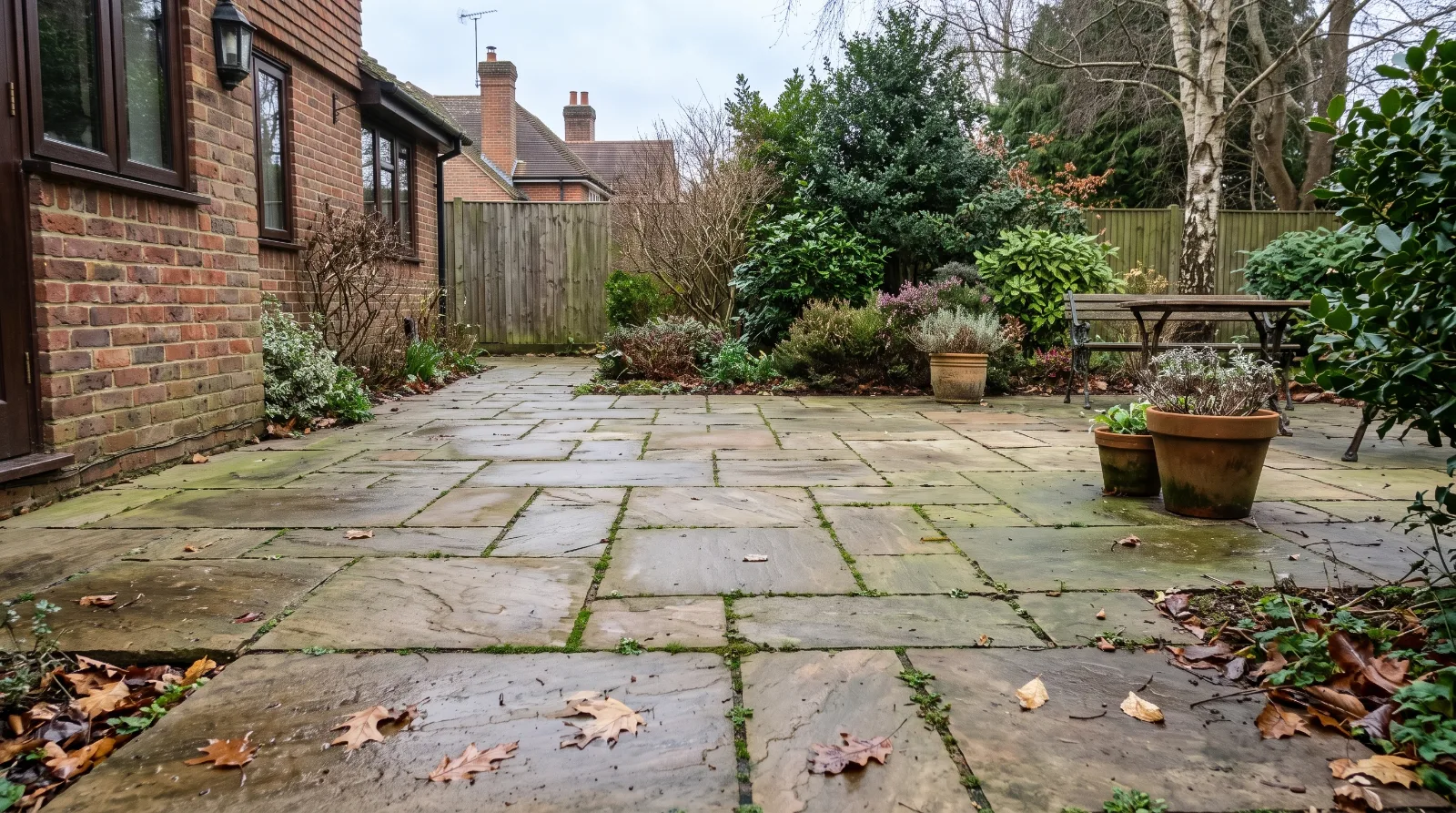
Overgrowth can make a garden appear more neglected than it actually is. Weeds may have spread through paving joints, branches may obscure a pathway, and fallen leaves can cover a patio that is otherwise in good condition.
Once the main vegetation has been cleared, inspect the hard landscaping.
Look for loose or uneven paving, damaged edging, persistent moss, blocked drainage channels and surfaces that have become slippery.
Different problems need different solutions. Weeds between paving may require careful removal and attention to the joints, while uneven slabs may need to be lifted and relaid. Persistent standing water may indicate a drainage issue rather than a simple cleaning problem.
Clean suitable surfaces using methods appropriate for the material. Aggressive pressure washing can damage some paving finishes or wash jointing material away, so choose the method carefully.
This is also a good opportunity to reconsider the layout. A path that has become difficult to access might need a clearer route, while an unused part of the garden could be turned into a more practical seating area.
Restoring existing features can often improve the garden significantly without the expense of replacing everything.
7. Check Trees, Fencing and Garden Structures
After clearing the vegetation, you may discover problems that were previously hidden.
Look at the condition of fences, gates, pergolas, sheds and other garden structures. Check for loose fixings, rotting timber, damaged panels and sections that have become unstable.
Large trees also deserve attention if you notice broken branches, significant deadwood, visible root movement or damage to the trunk. These signs do not automatically mean a tree must be removed, but they may justify a professional assessment.
Avoid climbing trees, working at height or attempting to remove large branches without the right equipment and experience.
It is also worth checking whether overgrown climbing plants have concealed damage to walls or fencing. Remove growth carefully rather than pulling heavy vegetation away from structures without checking how it is attached.
Addressing structural problems before redesigning the garden helps prevent damage to new planting, paving or other improvements later.
8. Improve the Layout to Make Maintenance Easier
Once the garden has been cleared and assessed, consider whether the existing layout still works for you.
An overgrown garden can sometimes become difficult to maintain because it contains too many small borders, awkward corners or features that are no longer useful.
A simpler layout may make the garden easier to look after without removing all its character.
For example, you could:
Consolidate planting into fewer, more manageable borders.
Create clear routes between the house, lawn and seating areas.
Replace difficult-to-mow corners with suitable planted areas.
Introduce defined edging between grass, paving and borders.
Group plants with similar growing and maintenance requirements.
Reconsider features that take up space but are rarely used.
A garden does not need to be completely paved or stripped of planting to become low-maintenance. Well-chosen plants, sensible spacing and a clear layout can reduce the amount of repetitive work.
Think about access, too. Paths wide enough to move tools and garden waste make routine maintenance more convenient.
If your garden needs more substantial changes, developing a simple plan before starting new construction can help coordinate planting, paving, drainage and other landscaping work.
9. Choose Plants That Suit the Garden
After restoring the existing borders, you may want to introduce new planting to fill gaps or create a more cohesive appearance.
The best choices depend on the site's conditions, including sunlight, soil type, drainage and available space.
For a lower-maintenance garden, consider plants that suit the location and do not require frequent trimming or complicated seasonal care. Evergreen shrubs can provide structure throughout the year, while suitable perennials and ornamental grasses can add seasonal interest.
Avoid filling every gap immediately. Allow enough room for plants to reach their expected mature size, and consider how they will look alongside existing trees, hedges and other established features.
It is also worth planning for different seasons. A garden with a balance of evergreen structure, seasonal flowers and varied foliage can remain attractive even when some plants are dormant.
If planting is being carried out as part of a larger renovation, consider irrigation requirements and how new plants will be watered while they establish.
10. Plan a Maintenance Routine to Prevent the Garden Becoming Overgrown Again
Restoring an overgrown garden is only the first stage. Without a manageable maintenance routine, weeds, grass and vigorous shrubs can quickly return to the same condition.
The right schedule depends on the size of the garden, the plants it contains and how tidy you want it to look.
A practical routine might include regular lawn mowing during the growing season, periodic weeding, checking planted borders, trimming hedges when appropriate and clearing leaves from paths and drains.
Rather than waiting until everything becomes overgrown, divide the work into smaller tasks. A little regular attention is often easier to manage than another major clearance.
If you have a busy schedule or a large garden, professional maintenance visits can help keep the space under control. The frequency can be adjusted to suit the planting, season and level of upkeep required.
A simple garden that suits your available time will usually be easier to maintain than a more complicated design that requires frequent attention.
When Should You Consider Professional Garden Clearance?
Some gardens can be restored gradually with routine gardening tools and a manageable amount of work. Others need more substantial intervention.
Professional help may be useful when vegetation is extremely dense, large hedges need reducing, substantial waste needs removing or the garden contains uneven ground and difficult access.
It can also help when you want to combine clearance with new landscaping. For example, removing unwanted growth before installing a patio, rebuilding a path or creating new planting borders can help the project proceed in a coordinated way.
A site assessment can establish which features can be retained, what needs removing and whether any ground preparation or repairs are required.
This helps you prioritise the work and avoid spending money on improvements that do not address the underlying problems.
Restore Your Overgrown Garden with Surrey Oak Landscapes
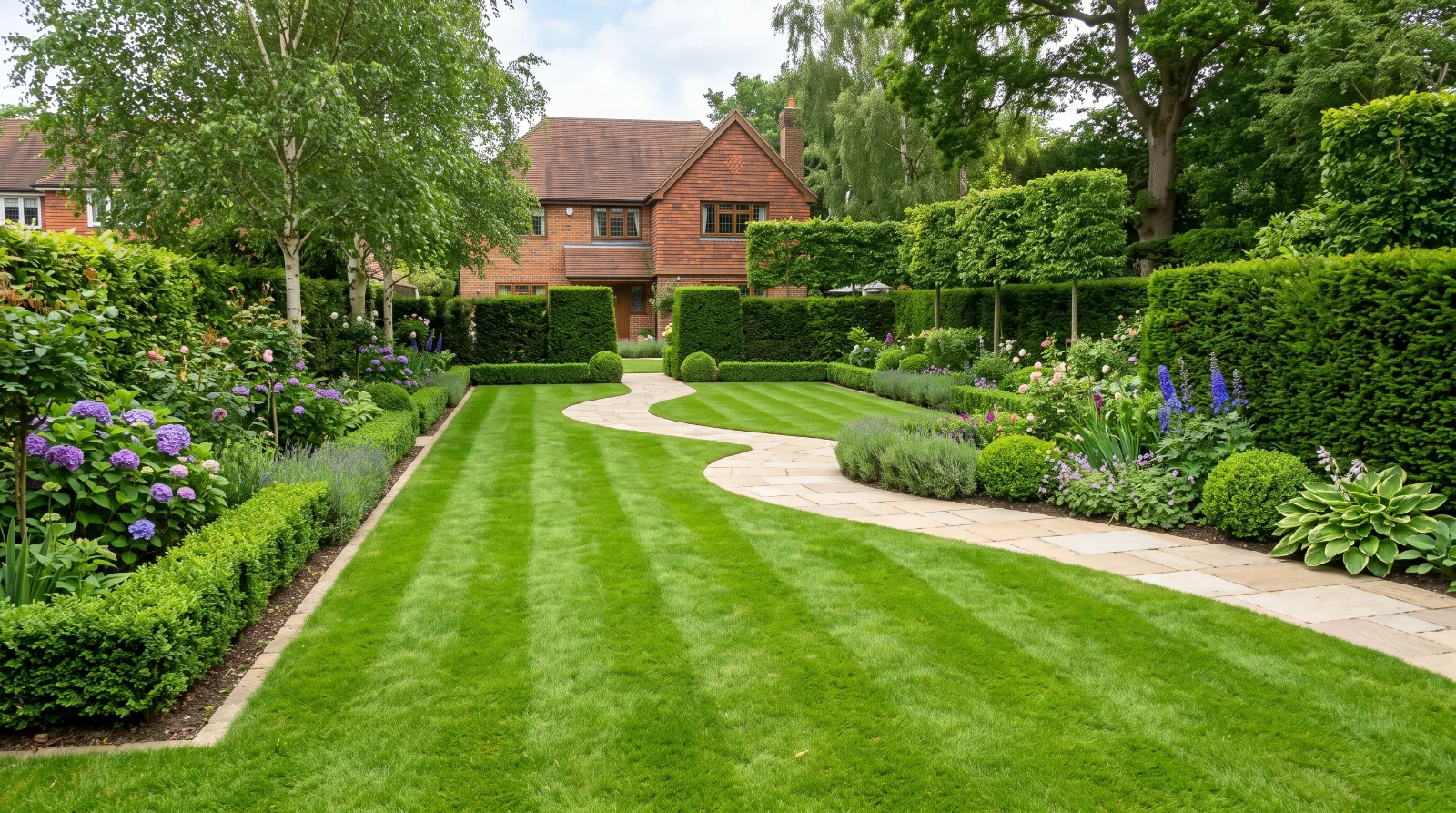
An overgrown garden does not always need a complete makeover. With a clear plan, careful clearance and the right improvements, it is often possible to recover useful features, improve planting and create a more manageable outdoor space.
At Surrey Oak Landscapes, we provide landscaping and groundworks services to help homeowners improve their gardens. Whether your property needs a one-off tidy-up, new planting, restored pathways or a more complete garden transformation, the first step is understanding the condition of the space and what you want to achieve.
Ready to reclaim your garden? Contact Surrey Oak Landscapes for a free, no-obligation quote.
About the author