How Often Should You Have Your Garden Maintained?
How often should a garden be maintained? Find out how frequently to schedule lawn care, hedge trimming, pruning, weeding and general garden upkeep.
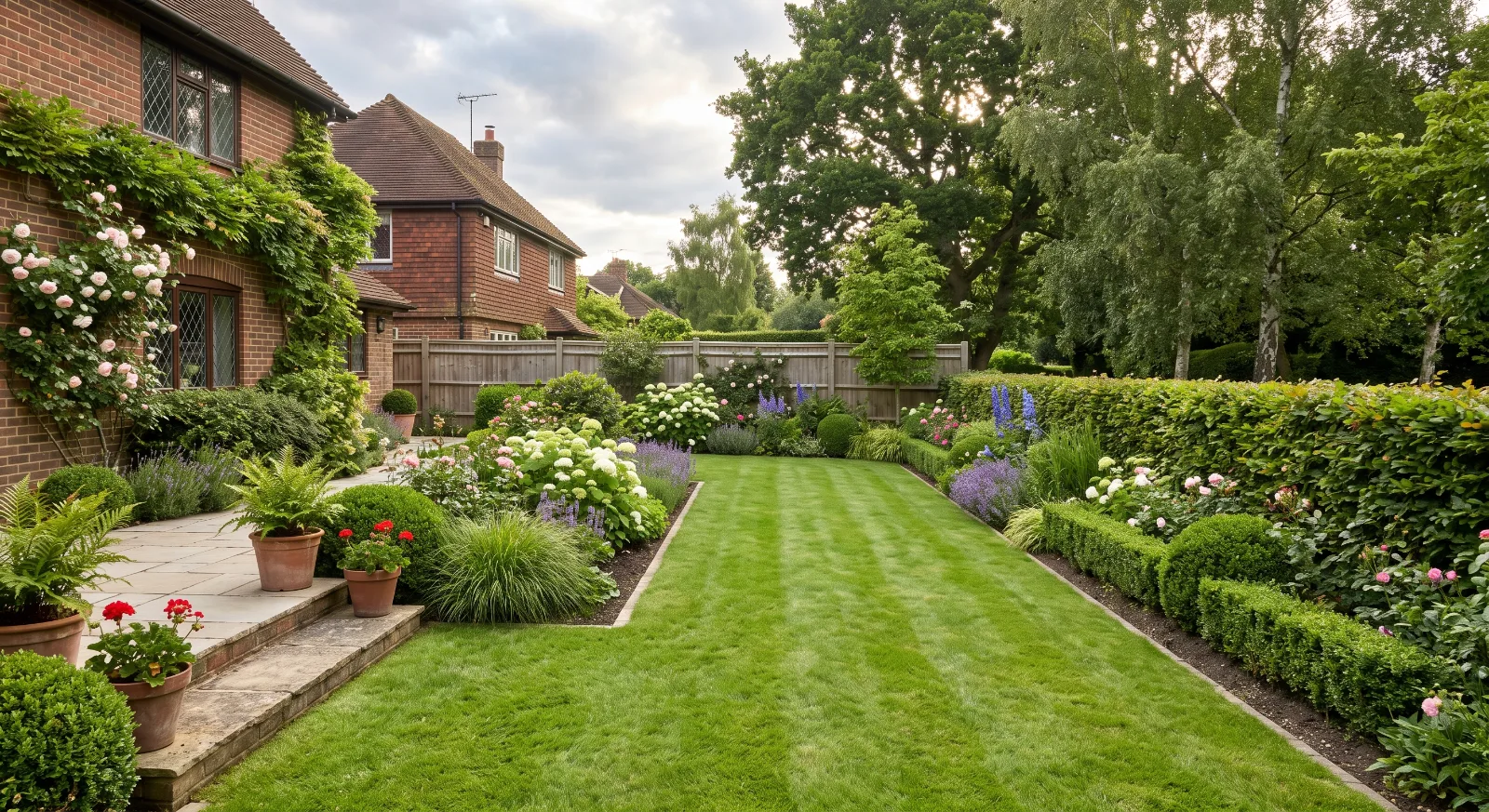
A well-maintained garden can make a huge difference to the appearance and usability of your home. Regular mowing, pruning, weeding and general tidying can keep the space looking neat, but not every garden needs the same level of attention.
Some gardens may only need occasional visits, while others require maintenance every week to stay under control. The right frequency depends on the size of the garden, the amount of planting, the type of lawn, the season and how much work you are able or willing to do yourself.
So, how often should you have your garden maintained?
How Often Does a Garden Usually Need Maintaining?
For many established residential gardens, every two to four weeks can provide a sensible routine.
However, that is only a general guide. A small, simple garden may go longer between visits, while a large garden with extensive lawns, hedges and planting may need attention every week.
A useful way to think about maintenance frequency is:
Garden type | Typical maintenance frequency |
|---|---|
Small, simple garden | Every 3–4 weeks |
Average family garden | Every 2–3 weeks |
Large landscaped garden | Every 1–2 weeks |
Extensive planting and lawns | Weekly or frequent visits |
Overgrown garden | One-off intensive visit, then regular maintenance |
The goal is not to follow a fixed schedule simply because it is on a calendar. The garden itself should determine when work is needed.
What Does Regular Garden Maintenance Include?
Garden maintenance is much more than cutting the lawn.
A typical visit can include:
Lawn mowing and edging
Weeding
Hedge trimming
Pruning shrubs and plants
Removing dead or damaged growth
Tidying borders
Leaf clearance
Sweeping paths and patios
Checking general garden condition
Green waste removal
The exact work depends on the time of year and the condition of the garden.
For example, lawn mowing may dominate during periods of rapid grass growth, while leaf clearance and pruning become more important at other times of the year.
Why Does Maintenance Frequency Change Throughout the Year?
Gardens do not grow at the same rate all year.
During spring and summer, warmer temperatures and longer daylight hours usually mean that lawns, weeds and many plants grow more quickly.
This often means more frequent visits.
During autumn, leaf clearance and border maintenance may become more important, while winter generally requires less routine mowing but can still involve pruning, clearing fallen debris and checking the condition of the garden.
A typical maintenance pattern might look like this:
Time of year | Main maintenance priorities |
|---|---|
Spring | Lawn care, weeding, pruning and border preparation |
Summer | Frequent mowing, edging, watering and general upkeep |
Autumn | Leaf clearance, pruning and garden tidy-ups |
Winter | Structural pruning, clearing and general inspections |
This seasonal approach is more practical than expecting exactly the same work during every visit.
How Often Should a Lawn Be Mowed?
Lawn growth can change considerably depending on weather, grass type, soil and sunlight.
During periods of active growth, many domestic lawns need mowing around once a week, although some may require more or less frequent cutting.
The aim should be to keep the grass at a suitable height without repeatedly removing too much growth in one go.
A lawn that is left for several weeks during strong growth may become difficult to bring back under control and can end up looking uneven after a heavy cut.
For larger lawns, regular maintenance can also make the garden much easier to manage overall.
How Often Should Hedges Be Trimmed?
Hedge frequency depends on the species and the appearance you want to maintain.
A formal hedge that needs to remain neat may require trimming more often than an informal mixed hedge.
Some fast-growing hedges may need attention several times during the growing season, while slower-growing varieties may need much less.
Regular trimming can also make the work easier because smaller amounts of growth are being removed at a time.
It is better to maintain a hedge consistently than allow it to become heavily overgrown and then attempt to bring it back to the desired size in one visit.
How Often Should Shrubs and Plants Be Pruned?
Not every plant needs pruning on the same schedule.
The timing depends on the species, its growth habit and what you are trying to achieve.
Pruning may be used to:
Maintain shape
Control size
Remove dead or damaged growth
Encourage flowering
Improve structure
Keep paths and access clear
Some shrubs need regular attention, while others are best left largely alone.
This is one reason why a planting-heavy garden may require more specialist maintenance than a simple lawn-and-patio garden.
What About Weeding?
Weeds are one of the clearest signs that a garden needs attention.
During active growing periods, weeds can appear quickly in borders, gravel, paving joints and around other garden features.
Regular maintenance visits help deal with them before they become established.
A small amount of weeding during every visit can be much easier than allowing weeds to spread across the garden and requiring a major clear-up later.
How Does Garden Size Affect Maintenance?
The larger the garden, the more time it can take to keep it under control.
A large lawn alone may require considerable time to mow and edge, while extensive borders create additional work through pruning, weeding and general tidying.
Large gardens can also contain more separate areas, including:
Lawns
Hedges
Planting borders
Trees
Patios
Paths
Decking
Gravel areas
Outdoor structures
A garden with several different zones can therefore require more frequent and varied maintenance than a smaller garden with a simple layout.
Do Newly Landscaped Gardens Need More Maintenance?
A newly landscaped garden needs attention while plants and lawns establish themselves.
Fresh turf, new shrubs, trees and planting schemes all require appropriate aftercare, particularly during dry periods.
New planting can also change rapidly during its first few seasons, meaning pruning, tying, weeding and general shaping may become increasingly important as everything grows.
Regular maintenance during this stage helps the garden develop as intended rather than allowing newly planted areas to become overgrown.
What About Mature Gardens?
Mature gardens can look established and low-maintenance, but they often contain more demanding features than a newly planted space.
Large trees, established hedges, extensive borders and mature shrubs may all need ongoing management.
Leaf fall can also become a bigger issue where there are numerous mature trees.
For these gardens, maintenance is often less about making the garden look completely different and more about managing growth and keeping established features in good condition.
How Often Should a Garden Be Professionally Maintained?
A professional maintenance visit can make sense when the garden is too large to manage comfortably, when work has become difficult to keep up with or when specialist pruning is required.
For many homeowners, a fortnightly or monthly visit can be enough to keep an established garden under control, while larger or more demanding gardens may benefit from weekly maintenance.
A professional schedule can also be adjusted throughout the year.
For example, weekly visits may be useful during the fastest-growing part of summer, while monthly visits may be sufficient during quieter periods.
Weekly vs Fortnightly vs Monthly Maintenance
Weekly
Best suited to:
Large lawns
Formal gardens
Fast-growing hedges
High-use family gardens
Properties that need to stay consistently immaculate
Fortnightly
A good balance for many established gardens.
It can provide enough regular attention to keep lawns, borders and general growth under control without the cost of weekly visits.
Monthly
Often suitable for:
Smaller gardens
Lower-maintenance landscapes
Gardens with limited lawn areas
Homeowners who handle some tasks themselves
However, monthly maintenance can be less suitable during periods of rapid growth if the garden contains demanding lawns and hedges.
What If Your Garden Is Already Overgrown?
An overgrown garden is different from a garden that simply needs regular maintenance.
You may need a one-off clearance or intensive tidy-up before a normal maintenance schedule can begin.
This could include:
Cutting back overgrown vegetation
Removing large amounts of weeds
Reducing overgrown hedges
Clearing fallen debris
Cutting back neglected borders
Removing garden waste
Restoring access to paths and garden areas
Trying to maintain an overgrown garden on a normal monthly schedule may not be enough initially.
Once the garden has been brought back under control, regular visits can make it much easier to keep that way.
Can Regular Maintenance Save Money?
Regular maintenance may help prevent small problems becoming much larger jobs.
For example, routine hedge trimming can avoid the need for heavy cutting back later. Regular weeding can prevent borders and paving areas from becoming heavily overgrown, while consistent lawn mowing avoids having to deal with a long, uneven lawn after several weeks of growth.
There is also a time-saving benefit.
Spending a small amount of time on maintenance regularly is generally easier than allowing everything to grow unchecked and then facing a major tidy-up.
What Should You Consider When Choosing a Maintenance Schedule?
Before deciding how often your garden should be maintained, consider:
Garden size
A larger garden generally requires more time to maintain.
Amount of planting
More borders, shrubs and trees usually mean more pruning and weeding.
Lawn size
Large lawns can require frequent mowing during periods of strong growth.
Hedge length
Long or fast-growing hedges may require more regular trimming.
Garden style
Formal gardens often need more frequent attention than relaxed, naturalistic spaces.
Your own availability
If you enjoy maintaining the garden yourself, professional visits may only need to supplement your routine.
How you want the garden to look
A garden that needs to look consistently neat for entertaining or presentation may benefit from more frequent maintenance.
Signs Your Garden Needs More Frequent Maintenance
You may need to increase the frequency of visits if you regularly notice:
Long or uneven grass
Hedges losing their shape
Weeds becoming established
Borders becoming crowded
Paths becoming overgrown
Fallen leaves building up
Plants blocking access
Shrubs becoming too large for their position
Garden areas becoming difficult to use
These are often signs that the current maintenance schedule is not keeping pace with the garden's growth.
Should Every Garden Follow the Same Schedule?
No.
Two gardens of the same size can have completely different maintenance requirements.
A simple garden with a lawn, patio and a few borders may remain manageable with monthly attention, while another garden of the same size could contain mature hedges, several trees, extensive planting and a larger lawn that requires much more frequent work.
The right schedule should therefore be based on the garden itself, not simply its square footage.
A Practical Maintenance Schedule
For a typical Surrey garden, a simple starting point could be:
Frequency | Typical work |
|---|---|
Weekly | Mowing, edging, obvious weeds and general tidying |
Fortnightly | Mowing, pruning, weeding, hedge maintenance and borders |
Monthly | General garden tidy, pruning and seasonal maintenance |
Seasonal | Larger pruning, leaf clearance and specific plant care |
One-off | Clearance, major hedge reduction or restoration work |
This is only a starting point. The schedule should change according to weather, growth and the needs of the garden.
How Often Should You Have Your Garden Maintained?
For many homeowners, fortnightly maintenance is a practical middle ground between keeping the garden consistently tidy and avoiding unnecessary visits.
However, weekly maintenance can be worthwhile for larger or more formal gardens, while smaller low-maintenance gardens may only need attention every three or four weeks.
The most important thing is consistency.
A garden that receives regular attention is much easier to manage than one that is repeatedly allowed to become overgrown before being tackled.
Keep Your Garden Looking Its Best
Garden maintenance is not about making the space look perfect every day. It is about keeping growth, weeds, lawns, hedges and planting under control so the garden remains attractive and usable throughout the year.
A regular maintenance schedule can also help protect the work that has gone into a landscaped garden, allowing lawns, planting, paving and other features to remain part of a well-kept outdoor space.
Whether your garden needs weekly attention or a monthly tidy-up, the right schedule is the one that matches the way the space grows and how you want to use it.
Need Garden Maintenance in Surrey?
Surrey Oak Landscapes can help keep gardens looking tidy and manageable with ongoing maintenance tailored to the size, planting and requirements of each outdoor space.
From lawn mowing and hedge trimming to pruning, weeding and general garden upkeep, regular maintenance can take the pressure off homeowners while helping the garden stay in good condition.
Need help keeping your Surrey garden under control? Get in touch with Surrey Oak Landscapes for a free, no-obligation quote.
About the author