Can You Lay Turf on Heavy Clay Soil?
Laying turf on heavy clay is possible with the right preparation. Learn how to improve soil structure, manage drainage and give new turf the best start.
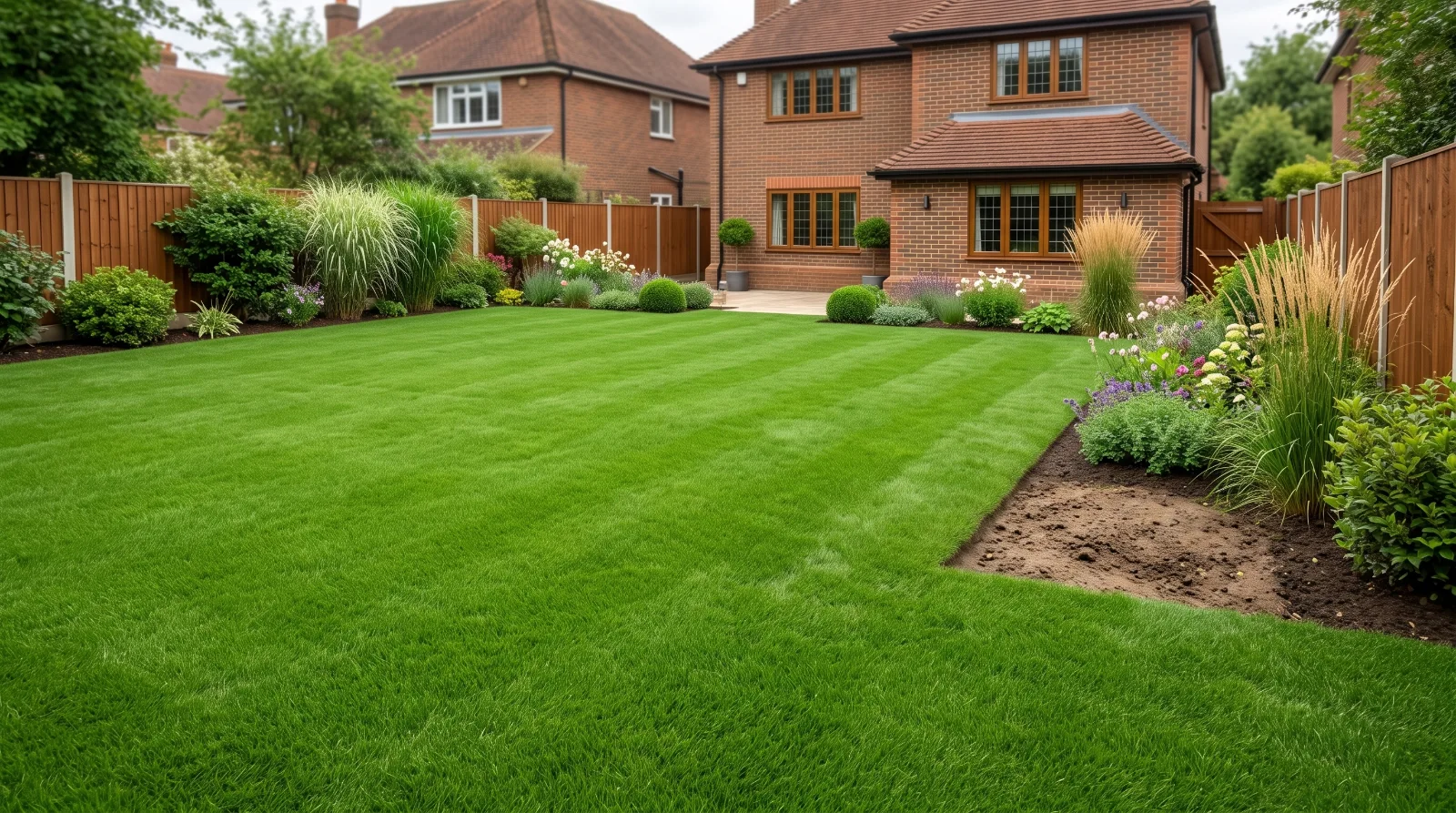
Heavy clay soil can be challenging to work with, particularly when it is wet. It can feel sticky and dense, drain slowly and become compacted easily.
That can make homeowners wonder whether laying a new lawn on clay is realistic.
Yes, you can lay turf on heavy clay soil. In fact, clay can be a productive growing medium because it holds moisture and nutrients well. The problem is that poorly prepared clay can become waterlogged, compacted and difficult for new grass roots to establish in.
The key to a successful lawn is therefore preparing the soil before the turf arrives.
Why Is Heavy Clay Difficult for New Turf?
Clay soil contains a high proportion of very fine particles.
These particles fit closely together, leaving less space for air and water to move through the soil compared with a more open soil structure.
This creates several challenges for a new lawn.
Poor drainage
Heavy clay can drain slowly, particularly after prolonged rainfall.
If water remains around the developing roots for too long, the turf can struggle to establish.
Compaction
Clay is especially vulnerable to compaction when it is wet.
Foot traffic, machinery and even repeated working of the soil at the wrong time can compress the structure further.
Difficult preparation
Dry clay can become hard and difficult to break up, while wet clay can become sticky and easily damaged.
There is therefore a relatively small window when the soil is in a good condition for preparation.
Seasonal changes
Clay soils can expand when wet and shrink as they dry.
This movement does not necessarily prevent a lawn from being successful, but it makes good ground preparation and drainage more important.
Should You Lay Turf Directly on Heavy Clay?
Not usually.
Laying turf directly over poorly prepared clay can lead to disappointing results.
The new turf may initially look excellent, but problems can appear later if the soil beneath it is heavily compacted, poorly levelled or prone to standing water.
The preparation stage should therefore focus on creating a suitable growing surface before any turf is laid.
A good lawn starts with the ground beneath it.
How Do You Prepare Heavy Clay Soil for Turf?
Preparation will depend on the condition of the ground, but the process generally involves several stages.
1. Remove Existing Grass and Weeds
If you are replacing an existing lawn, the old turf and unwanted vegetation should be removed.
Perennial weeds are particularly important to deal with because they can survive beneath the new lawn if they are simply covered over.
The aim is to start with reasonably clean ground rather than creating a new lawn over an existing problem.
2. Break Up Compacted Soil
The soil needs to be loosened so the new grass roots have a suitable environment in which to develop.
Heavy clay can be difficult to work when wet, so preparation should be carried out when the ground is workable rather than saturated.
Trying to cultivate wet clay can actually make compaction and structural problems worse.
3. Improve the Soil Structure
Organic matter can be useful for improving the structure of heavy clay.
Well-rotted compost or other suitable organic material can help create a more workable soil and improve its overall structure.
However, simply adding a thin layer of material over the surface is unlikely to transform heavily compacted clay.
The amendment needs to be properly incorporated into the soil where appropriate.
4. Level the Ground
Once the soil has been loosened and improved, the area should be carefully levelled.
This is especially important with heavy clay because low spots can become areas where water collects.
A smooth, even surface also makes it much easier to achieve a neat finish when the turf is laid.
5. Allow the Ground to Settle
Freshly prepared soil can change level slightly as it settles.
Allowing the ground time to settle before laying turf can help identify low spots and areas that need additional preparation.
This is particularly useful where the garden has recently been excavated or significantly reshaped.
Should You Add Sand to Heavy Clay?
This is an area where homeowners often receive conflicting advice.
Adding a small amount of sand to a large area of heavy clay is generally not a simple solution to drainage.
A substantial quantity would be needed to make a meaningful change to the soil's overall composition, and poorly chosen or insufficient material can make the soil harder to work rather than improving it.
For most domestic gardens, improving structure with suitable organic matter and dealing with compaction and drainage is more practical than trying to turn heavy clay into sandy soil.
Where sand is used as part of lawn preparation or top dressing, it needs to be selected and applied appropriately rather than simply mixing arbitrary amounts into clay.
What If the Garden Is Very Waterlogged?
This needs to be addressed before new turf is installed.
A lawn cannot be expected to thrive if the soil remains saturated for long periods.
The first step is to understand why the water is accumulating.
Possible causes include:
Heavy clay soil
Compaction
Low areas within the garden
Poor surface falls
Water flowing into the garden from elsewhere
Existing drainage problems
The correct solution depends on the site.
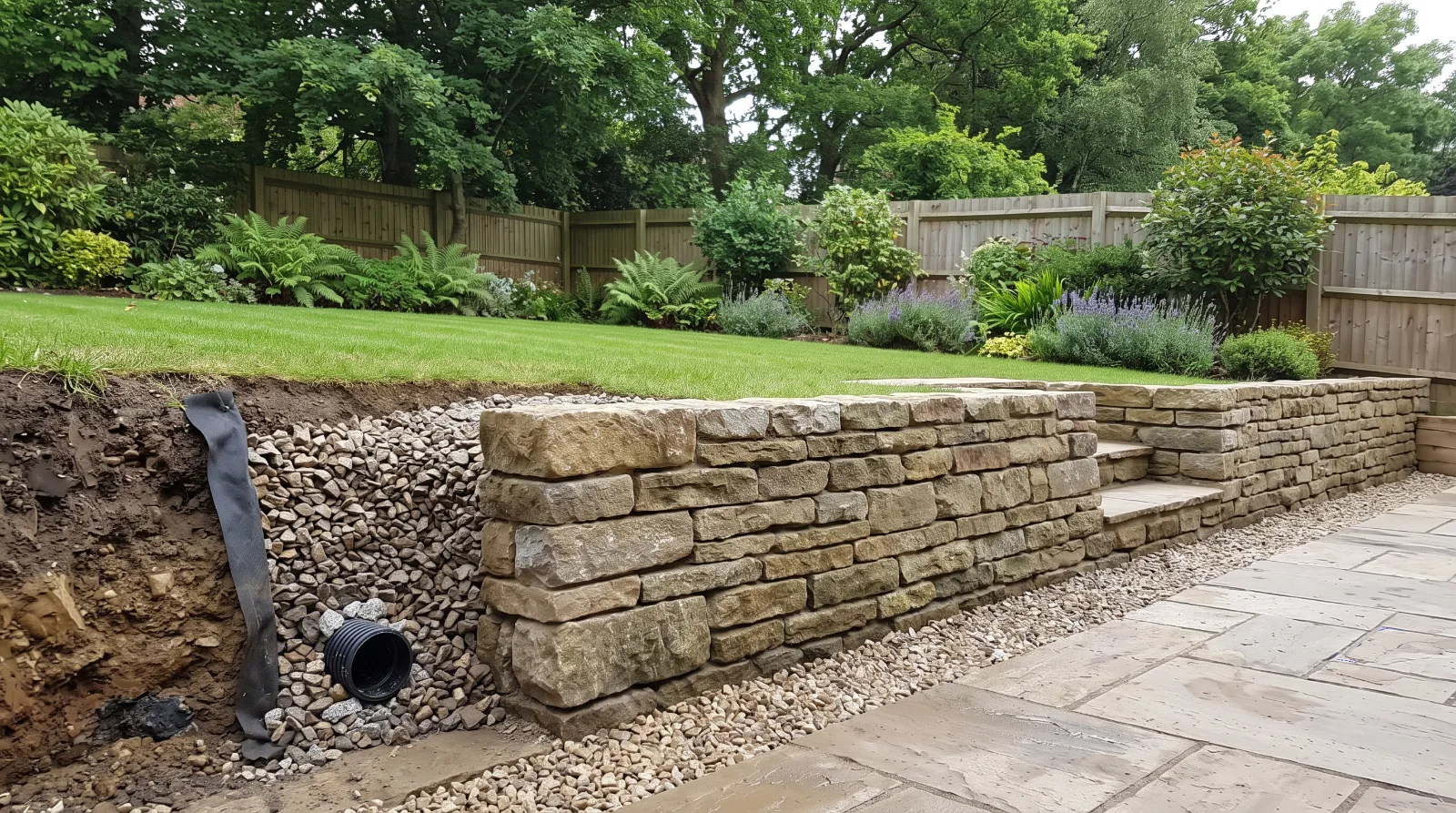
In some cases, improving the soil and correcting levels may be enough. In others, additional drainage may be necessary.
Installing fresh turf without dealing with persistent waterlogging is unlikely to provide a reliable long-term solution.
Does Heavy Clay Need Drainage Before Turfing?
Not every clay garden needs a dedicated drainage system.
Clay soil naturally holds water, and a lawn can still perform perfectly well where the ground has been properly prepared.
Drainage becomes more important when water consistently remains on the surface or within the root zone.
A site assessment can help determine whether the problem is genuinely poor drainage or simply a lawn that has been compacted and needs better soil structure.
In some gardens, aeration and soil improvement may make a substantial difference. In others, more extensive drainage work may be required.
Can You Lay Turf on Clay Soil in a New-Build Garden?
Yes, but new-build gardens can present additional challenges.
Construction activity can compact the underlying soil, while imported topsoil may have been spread over an unsuitable or disturbed base.
The garden may also contain leftover debris, poor soil structure or abrupt changes between different soil types.
Before laying turf, the growing layer should therefore be assessed rather than assuming that the existing surface is ready simply because the garden has been levelled.
A new-build lawn can deteriorate quickly if the underlying soil was heavily compacted during construction.
What Type of Turf Should You Choose?
The turf itself should suit the intended use of the lawn.
Think about how the space will be used.
Family lawn
Choose turf that can tolerate regular foot traffic and everyday use.
Ornamental lawn
A finer grass mix may be more appropriate where appearance is the priority and heavy use is limited.
Shaded garden
If the lawn receives limited sunlight, select a turf mix suitable for those conditions.
Choosing turf purely by appearance is not enough.
The best turf is one that matches the soil, light levels, climate and expected use of the garden.
How Should Turf Be Laid on Heavy Clay?
Once the soil has been properly prepared, the actual laying process is similar to laying turf on other soils.
The pieces should be laid closely together with staggered joints, similar to brickwork.
Avoid stretching the turf and make sure the pieces sit firmly against the prepared soil.
Care should also be taken not to repeatedly walk across the freshly laid lawn, particularly when the underlying clay is still soft.
Working from boards can help distribute weight and reduce unnecessary compaction during installation.
Should You Lay Turf When Clay Soil Is Wet?
This is one of the most important considerations.
Avoid working heavy clay when it is saturated.
Wet clay is easily compacted and damaged, and working it can create dense areas that are difficult for roots and water to move through.
Wait until the soil is workable rather than trying to complete the job regardless of conditions.
Likewise, extremely dry clay can become hard and difficult to prepare properly.
The ideal condition is soil that is moist enough to work but not wet and sticky.
How Long Does New Turf Take to Establish on Clay?
The exact timeframe depends on weather, soil condition, turf quality and aftercare.
Good turf can begin rooting into prepared soil relatively quickly, but the lawn should not be treated as fully established immediately after installation.
Heavy clay can make aftercare particularly important because the soil may stay wetter after rainfall while drying and becoming hard during prolonged dry periods.
The lawn should therefore be monitored closely during the early establishment period.
How Much Should You Water New Turf on Clay?
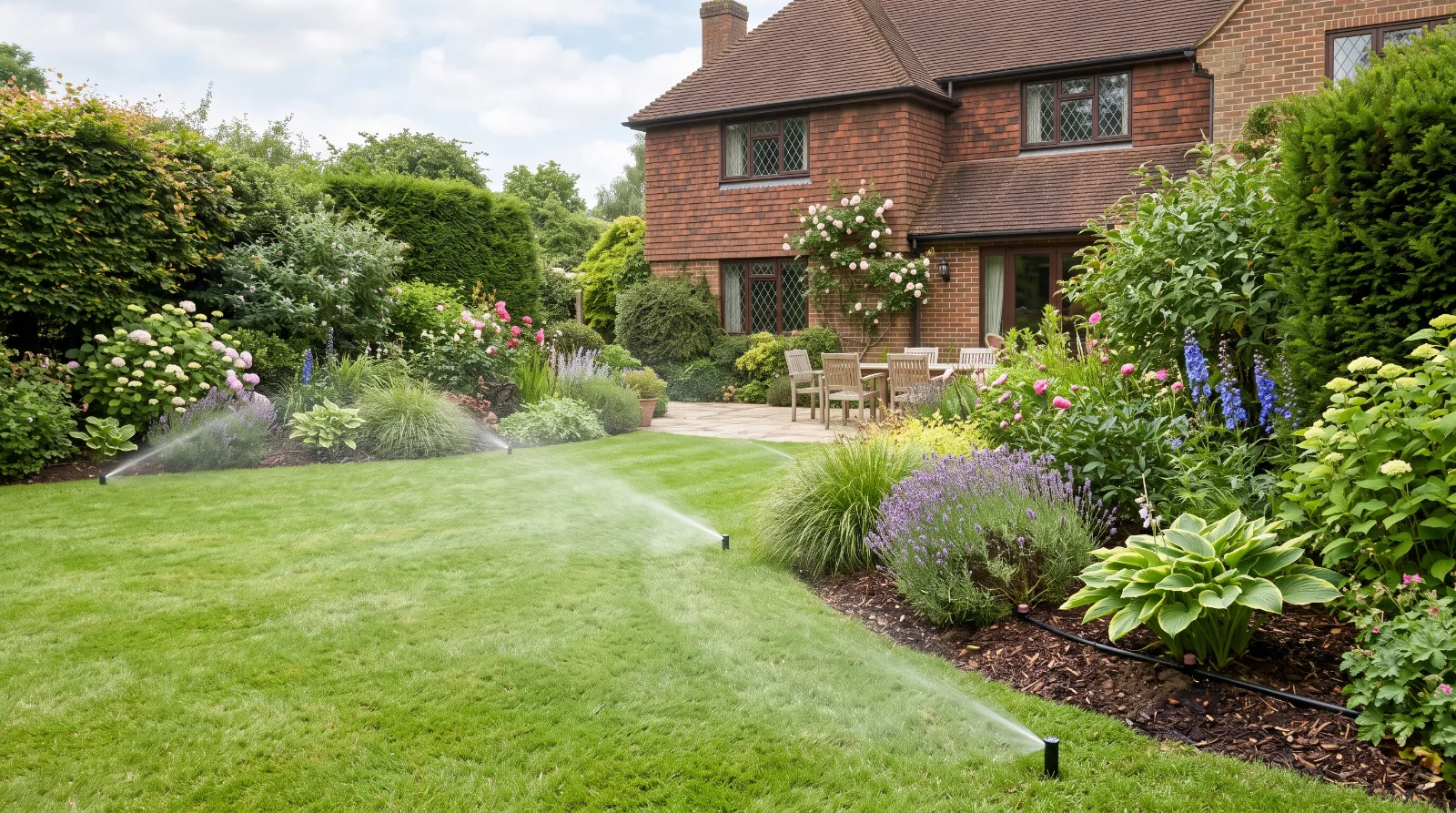
New turf needs sufficient moisture while it establishes, but heavy clay creates a balancing act.
The goal is to keep the turf and underlying soil suitably moist without creating prolonged waterlogging.
Avoid relying purely on a fixed watering schedule.
Instead, check the turf and soil conditions, paying attention to weather and rainfall.
During dry conditions, the surface should not be allowed to dry out completely, particularly during the early stages of rooting.
At the same time, repeatedly adding large amounts of water to already saturated clay can make drainage problems worse.
When Can You Mow New Turf on Clay Soil?
The mowing timing is based primarily on whether the turf has rooted, not simply on the type of soil.
New turf is often ready for its first cut at around three weeks, although conditions can make this earlier or later.
A useful check is to gently tug the grass. If the turf lifts easily, it has not rooted sufficiently.
Once it is established enough to mow, use a higher cutting setting initially and avoid removing too much leaf growth in one go.
What If the Lawn Starts to Sink?
A newly laid lawn can develop low areas if the ground beneath it was not properly settled or levelled.
This can be especially noticeable on recently disturbed clay soil.
If you notice a hollow developing, investigate the cause rather than simply adding more turf on top.
In some cases, localised correction may be possible. Larger areas of settlement may require more substantial preparation.
Allowing the ground to settle properly before turfing can reduce this risk.
What If the Clay Cracks in Dry Weather?
Clay soil can shrink as it dries, and cracks can appear during prolonged dry periods.
Some seasonal movement is normal for clay.
The important question is whether the movement is causing significant changes to the lawn surface.
Maintaining appropriate soil moisture during dry periods can help reduce excessive drying, although a lawn should not be kept permanently wet simply to prevent natural soil movement.
Good soil structure and preparation can also help the lawn cope better with changing conditions.
Can Heavy Clay Support a Good Lawn?
Absolutely.
Heavy clay is not automatically bad soil for turf.
In fact, clay can hold moisture and nutrients well and can support healthy grass when it has suitable structure and drainage.
The problem is usually poorly managed clay, rather than clay itself.
With proper preparation, appropriate turf and good aftercare, a clay garden can support a strong and attractive lawn.
Common Mistakes When Laying Turf on Clay
Laying turf onto compacted soil
The roots struggle to establish properly.
Working the soil when it is too wet
This can damage the soil structure and create further compaction.
Ignoring drainage problems
The same waterlogging issues can affect the new lawn.
Adding a thin layer of topsoil
A shallow layer does not necessarily fix heavily compacted clay underneath.
Overwatering
Clay can remain wet for longer than lighter soils.
Walking on the lawn too soon
This can damage developing roots and compact the soil beneath.
Choosing unsuitable turf
A lawn mix that does not suit the light, use or conditions of the garden may struggle regardless of the soil preparation.
Heavy Clay vs Turf: What Matters Most?
Issue | What to do |
|---|---|
Compacted clay | Loosen and improve the soil structure |
Poor drainage | Investigate the cause before turfing |
Wet conditions | Wait until the soil is workable |
Uneven ground | Level and settle the surface |
Dry clay | Prepare when moisture conditions are suitable |
Existing weeds | Remove persistent weeds before laying |
Heavy lawn use | Choose appropriate turf and plan for wear |
New planting nearby | Consider irrigation and drainage together |
There is no single treatment that makes every clay garden suitable for turf.
The condition of the site needs to be considered as a whole.
Is Turf Better Than Grass Seed on Clay?
Either can work on properly prepared clay soil.
Turf is often attractive when you want an established-looking lawn quickly and do not want to wait for seed to germinate.
Grass seed can be more economical and gives you flexibility over seed mixtures, but it requires more patience while the lawn develops.
If the ground is being substantially prepared anyway, the decision can come down to how quickly you want the finished lawn and how much establishment time you are prepared to allow.
Should You Use New Topsoil Before Laying Turf?
Sometimes.
If the existing clay is extremely poor, heavily compacted or mixed with construction debris, introducing suitable topsoil may form part of a larger ground-preparation strategy.
However, simply spreading a thin layer of topsoil over the clay is not always enough.
The relationship between the topsoil and the underlying ground matters.
If water cannot move properly through the overall soil profile, the new topsoil can still become saturated.
The soil should therefore be considered as a complete growing system rather than a thin layer beneath the turf.
When Is It Best to Lay Turf on Clay Soil?
Timing matters more on heavy clay than on many lighter soils because working wet clay can cause significant structural damage.
For UK gardens, the milder, wetter parts of the year can be favourable for turf establishment, provided the ground is not saturated or frozen.
Early autumn is often particularly useful because the soil can still retain warmth while conditions are generally less stressful for fresh turf than the hottest part of summer.
The most important rule is not to lay turf simply because the calendar says it is the right month.
The soil needs to be in a workable condition.
Can You Lay Turf on Heavy Clay Soil?
Yes, but the preparation matters more than the fact that the soil is clay.
Heavy clay can support an excellent lawn when it has suitable structure, reasonable drainage and enough space for new roots to establish.
The biggest mistakes are trying to work wet clay, ignoring compaction, laying turf over an unsuitable surface or failing to address persistent drainage problems.
If the ground is properly prepared, the right turf is selected and the new lawn receives appropriate aftercare, there is no reason a clay garden cannot have a healthy, attractive lawn.
Give Your Clay Garden a Better Lawn
A heavy clay garden may take more preparation than an easier soil, but it can still be transformed into a high-quality lawn.
The aim is not to eliminate every characteristic of clay.
Instead, the goal is to create a stable, well-prepared growing surface that allows the turf to root, drains appropriately and can cope with the conditions of the garden.
That preparation is where much of the long-term success of a new lawn is determined.
Need New Turf in Surrey?
If your garden has heavy clay, poor drainage or an uneven existing lawn, professional ground preparation can make a significant difference to the finished result.
Surrey Oak Landscapes can help with lawn preparation, soil improvement, levelling and fresh turf installation as part of wider garden landscaping.
Thinking about laying new turf on clay soil in Surrey? Get in touch with Surrey Oak Landscapes for a free, no-obligation quote.
About the author